A week in Guatemala during the pro-demoracy protests of 2023.
Protest in Train
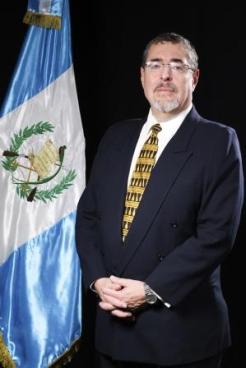
On August 20th, 2023, Bernardo Arévalo, a dark-horse candidate who no one had expected to win, was elected President of Guatemala. His term of office was due to begin on January 14th, 2024.
Just a few weeks later at the start of September, I made a spontaneous decision to make a short trip out to see a friend who was travelling in Central America. Early November fitted both our schedules, and he told me that after time in El Salvador he would be in Guatemala City by then. I cashed in some airmiles and booked a flight via Miami to arrive in Guatemala on November 1st. I then started investigating what there was to see in the country; soon the Guatemala City Railway Museum was at the top of my list.
The problems began to develop in early October. Maria Consuelo Porras, the attorney-general in the outgoing government began an investigation into Arévalo’s political party. His supporters interpreted this, understandably perhaps, as a way of preventing him taking office in January; they assumed it was effectively a coup d’etat. Protests, generally peaceful, began all around the country and by mid-October a series of more than 100 road blocks had been set up, paralysing traffic and causing fuel and food shortages.
This was now a total nightmare; in less than a month the place had become a country that the UK and US Governments were advising travellers to avoid due to serious civil unrest. Worse still, my friend, who had been unable to get through the blockades overland from El Salvador, had diverted to Mexico instead. Luckily, it seemed the airlines would be sympathetic and as long as I waited a few more weeks until my intended departure date, a refund would probably be in the offing, especially as things could only get worse.
Except, they didn’t. Towards the end of October, just before I was due to leave, the protests moderated. Most of the road blocks were removed and much of the action switched to large marches in the main cities. All chance of a refund from American Airlines was gone and all flights were operating normally. I was faced with making the trip or losing the money. From inside Mexico my friend sympathised but couldn’t change his plans. In the end, I decided, “to hell with it”, and flew out on November 1st.
DAY ONE
La Aurora
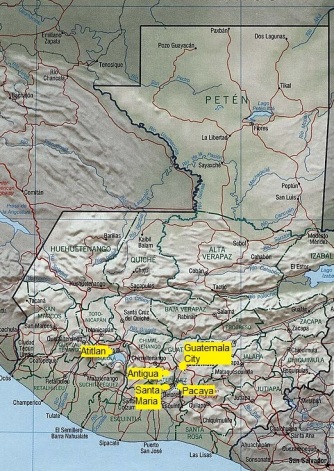
My Spanish is almost non-existent, but luckily the taxi driver who met me at La Aurora Airport spoke perfect English. As we drove along the highway that connects Guatemala City with the old capital, Antigua, he filled me in on the political background.
Guatemalan presidents serve 4 year fixed terms but cannot be re-elected. The driver himself had voted for the current president, Alejandro Giammattei, back in 2020 but had been disappointed with his performance in office.
In August he couldn’t bring himself to support the traditional establishment candidate Sandra Torres, so had decided to vote for Arévalo instead. Corruption was the main concern he explained; everything was corrupt and Arévalo was an outsider who at least promised to try and sort things out. It seemed a lot of people had agreed because he had received around 60% of the vote in the final round.
Attorney-General Porras maintained that Arévalo’s party hadn’t been properly registered, but her critics had pointed out that these investigations only started after his strong showing in the first round of the election. The protesters were now basically demanding that Porras be removed from her post.
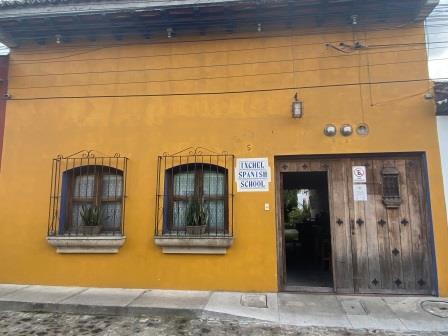
After about 50 minutes’ drive we arrived at our destination. Antigua announced itself by the transition from tarmac; all the streets in the city are cobbled and this causes traffic to slow down and makes for an uncomfortable ride for the passenger.
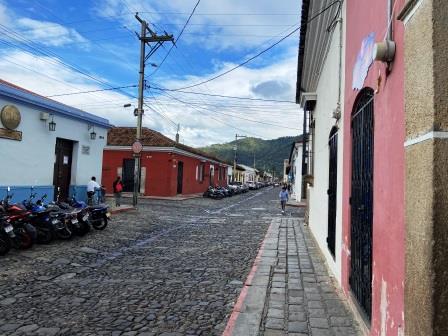
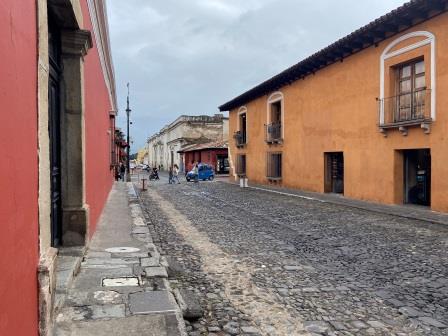
I had changed my original plan of staying in a few different places. I assumed that the road blocks might suddenly be back and travelling around might become troublesome. I had decided to stay in one place the whole time; it seemed logical to head for the main tourist centre of Antigua, about 40km away from Guatemala City.
If I did get stranded, I would have enough to keep me occupied, and the airport wasn’t too far away. Antigua is expensive, but as more than 50% of inbound foreign tourists had cancelled their trips, hotel prices were falling too. Just two days before I left, I had found a reasonable rate on booking.com for “room-only” at a little guest house in the centre of town: Posada San Vicente
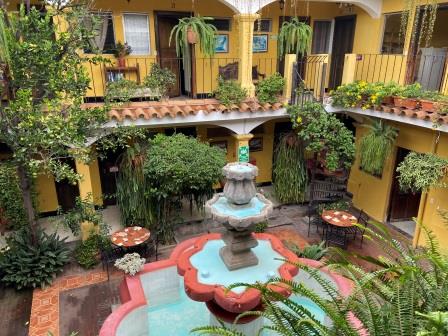
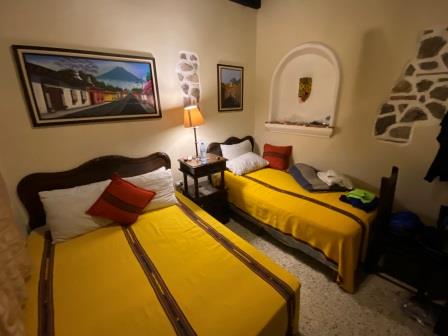
It turned out to be a great find. The hotel was constructed in lovely old colonial style with a balcony, courtyard and rooftop terrace. Because of the lack of other guests, (I only ever saw two other people) I got a larger room with two beds, there was also endless free coffee and a little grocery store next door to buy bread for breakfast.
DAY TWO
Antigua
The next morning, I set out to explore Antigua on foot. First, I climbed the hill known as Cerro de la Cruz to get a view of the whole city and the three volcanoes that surround it. This place was once the most prominent seat of Spanish colonial government in Central America, the most important city between Mexico City and Lima in Peru.
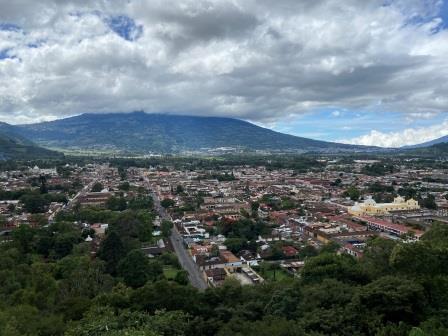
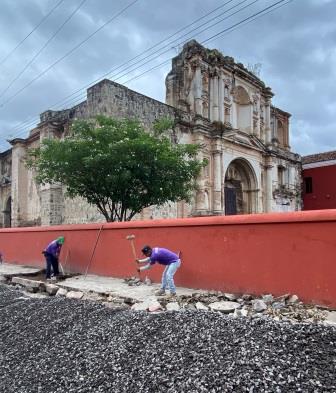
It was the country’s capital from its founding in the early 16th century until 1773 when earthquakes and volcanic eruptions led to its abandonment. The large number of ruins in the centre are a reminder of that time.
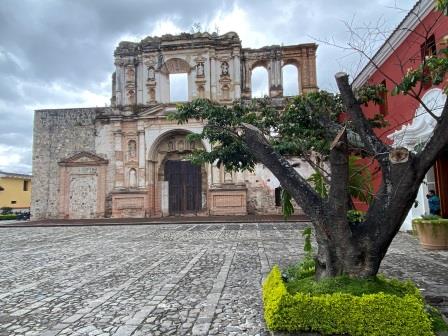
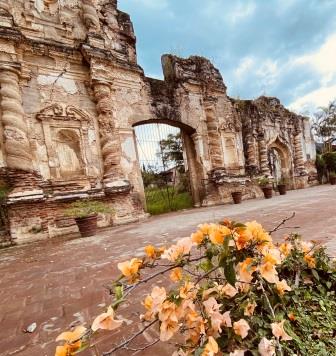
The city was revived in the 19th century, partly on the back of coffee production in the surrounding area. More recently it has developed as a tourist centre.
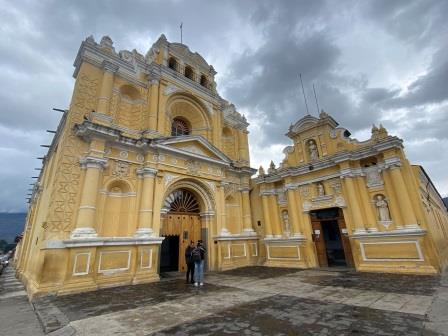
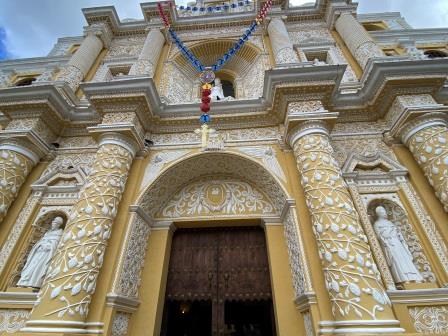
Many of the 17th and 18th century baroque-style buildings now house boutiques selling local textiles and handicrafts or have been turned into high-end cafes and restaurants.
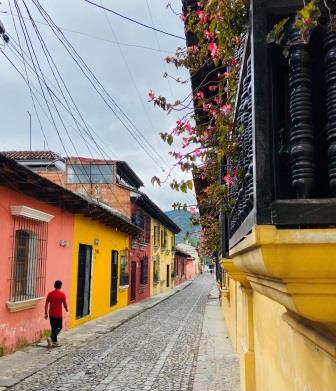
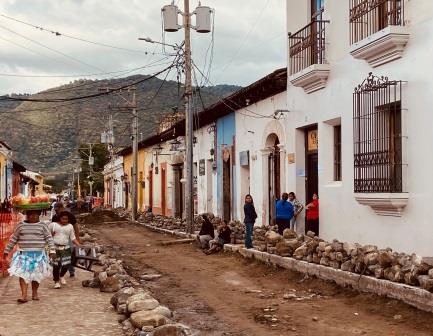
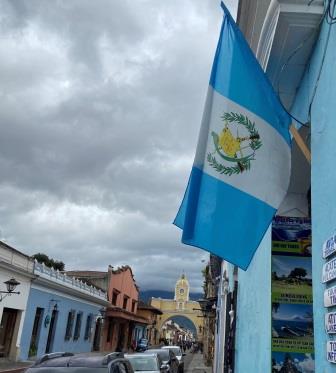
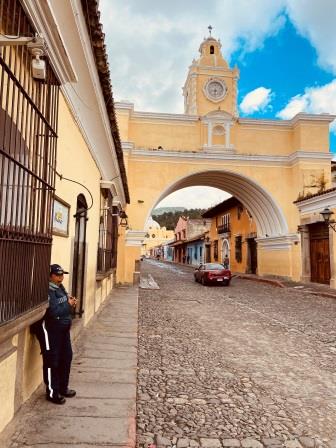
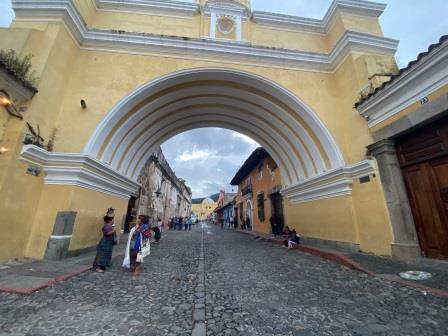
Antigua is now home to around 45,000 people and gained UNESCO World Heritage status in 1979. The Santa Catalina Arch (dating from 1694) has become a symbol not just of Antigua but of Guatemala itself.
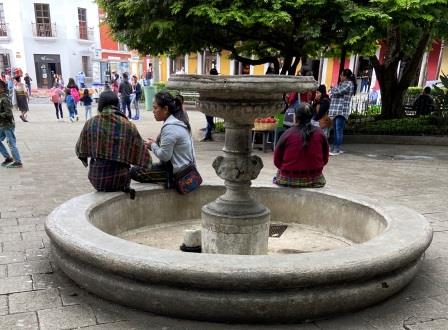
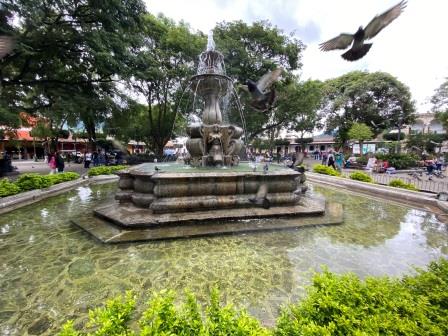
I wandered around the centre for the rest of the morning, often returning to the Parque Central to sit on one of the benches to people watch for a while.
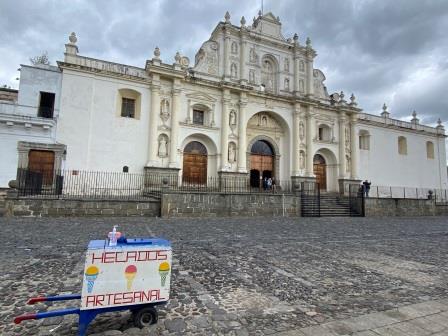
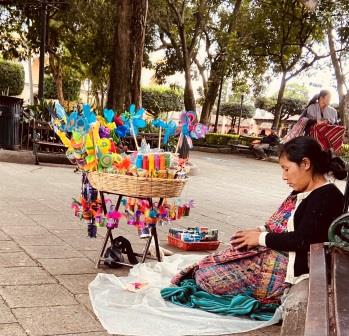
I absolutely loved the place, perhaps encouraged by the fact that there weren’t that many tourists around.
Mercado Central
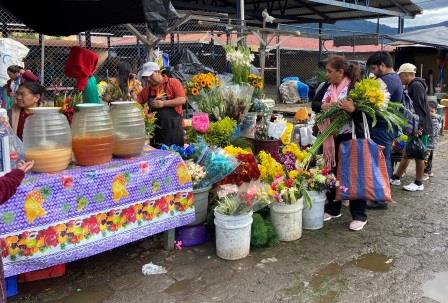
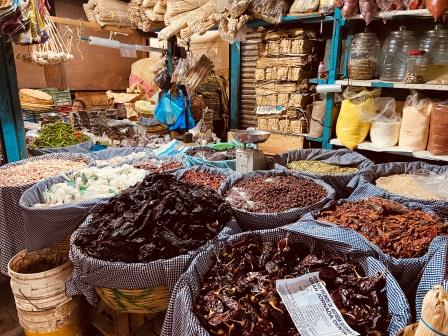
Slightly removed from the centre, Antigua’s extensive market had more of a local feel. Certainly, there seemed to be even fewer tourists there.
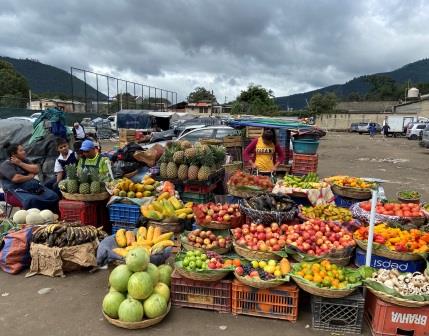
I had learned from the hotel staff that until a few weeks ago supplies of food had been running a little low because of the blockades. There had been three separate road blocks between here and Guatemala City and people had been struggling to restock.
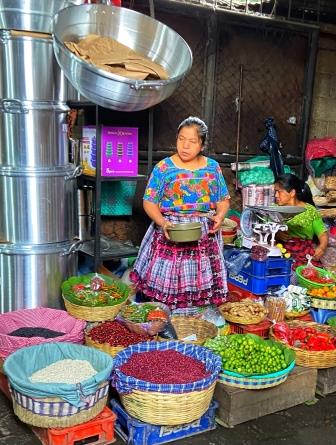
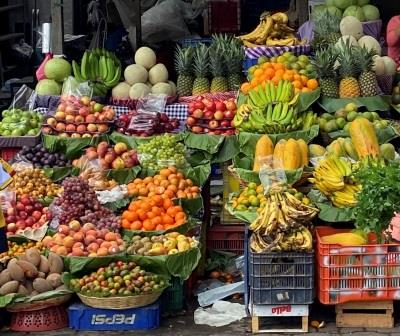
Yet, walking around the stalls I could get no sense of this at all. Everything looked well stocked; many of the stalls had fresh fruit and vegetables piled high and there seemed to be plenty of meat available too.
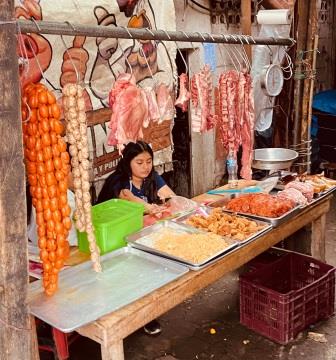
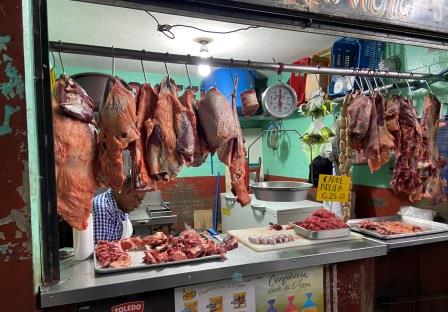
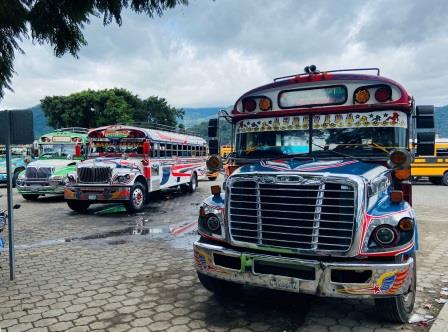
I wandered over to the adjacent bus station and watched the “chicken buses” coming and going. The whole thing was fascinating. It was obvious from the names on their destination blinds that most of the buses were serving the local villages around Antigua.
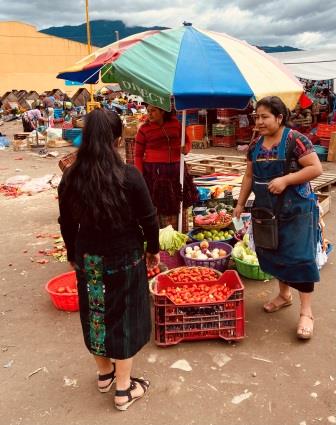
Buses would arrive and deposit their passengers who would then disappear into the market. Then new crowds fresh with their bags and boxes of produce would appear to board the bus. I wanted to try a chicken bus myself and resolved to try to catch one back to Guatemala City and the railway museum the next morning.
Click here for more photographs of Chicken Buses
Cementerio General
My visit coincided with the tail end of the festival of the “Day of the Dead.” Although not to the scale of nearby Mexico, Guatemalans come together to celebrate dead loved ones and ancestors.
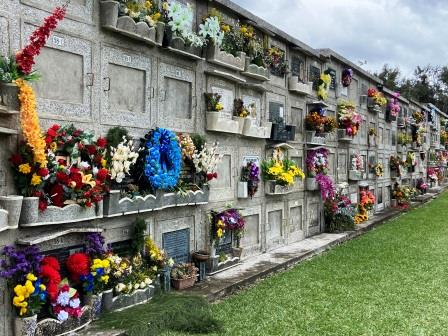
Antigua’s main cemetery was just behind the market, and I spent a bit of time walking around looking at the beautiful flowers.
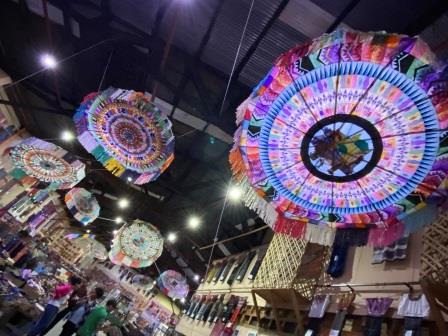
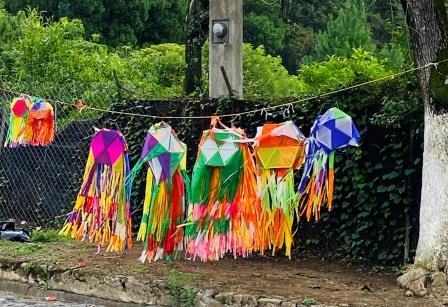
A big Guatemalan tradition is kite flying; people organise kite festivals across the country, flying impressive homemade kites to honour the dead. I found examples of some of the larger kites on display in Antigua; smaller versions were being sold at the side of the road.
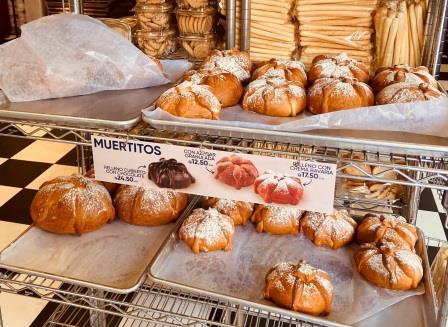
A variety of special foods are eaten on the 1st of November. I managed to spot little bread rolls, “Pan de Muerto”, being sold in a local bakery.
DAY THREE
Guatemala City
Sadly, the jet lag kicked in and I woke up much later the next morning. To save precious time, I decided to abandon the bus and get an Uber direct to the museum, it would obviously be more expensive but quicker.
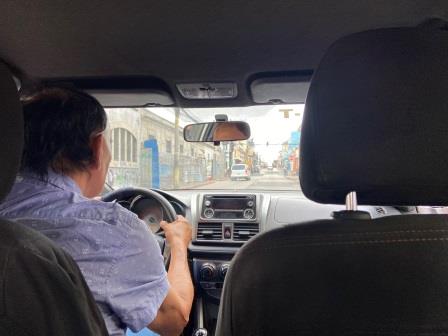
Uber was surprisingly easy to use in Antigua; within 10 minutes of opening the app in my hotel room I was sitting in the back of an old Mazda saloon outside. The only problem was that we were not going anywhere.
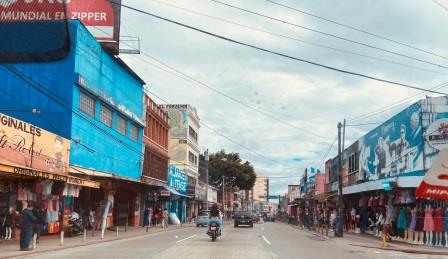
The driver was using his translator app on his phone to explain that Uber were ripping off drivers because of the protests. In the end, he persuaded me to cancel the ride and then took me into the city in exchange for cash at around two thirds of the original price.
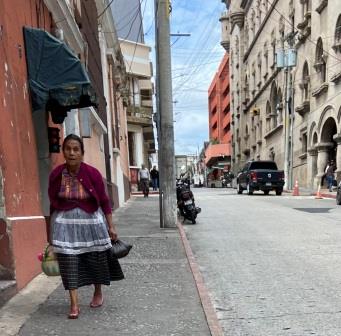
I had struggled a bit to explain to the driver that I didn’t want the airport. It would seem not many people go from Antigua for a look around Guatemala City, certainly not when there are protests.
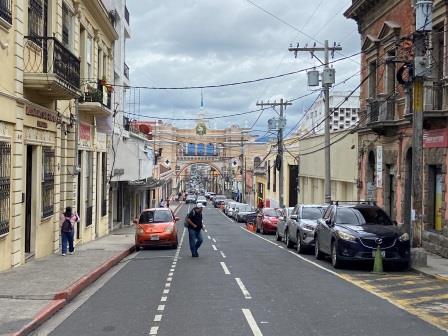
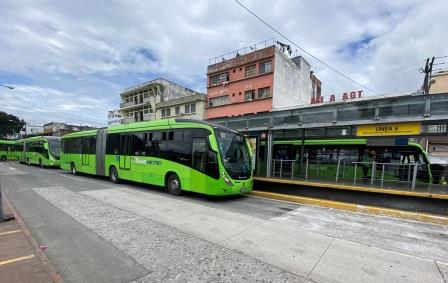
The place has a reputation for being dangerous without having too many redeeming factors. Nevertheless, as we drove through the outskirts and into the centre it didn’t seem too onerous in the day time, there was a posh looking bus rapid transit system too.
The driver dropped me in the Plaza Barrios opposite the museum and I wandered over to the entrance. To my horror they told me that it was closed. I couldn’t make out the reason exactly in Spanish, but it possibly had something to do with the protests. I made my own protest, pleading I had come from London, and after a bit of negotiating, they very kindly let me in.
Click here for more on the Railway Museum
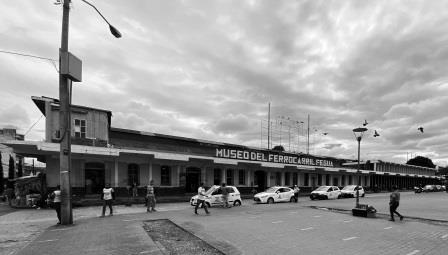
After a full hour in the museum on my own, I grabbed a coffee in the old station buffet and then went for a walk around the city centre. It was pleasant enough wandering through the streets.
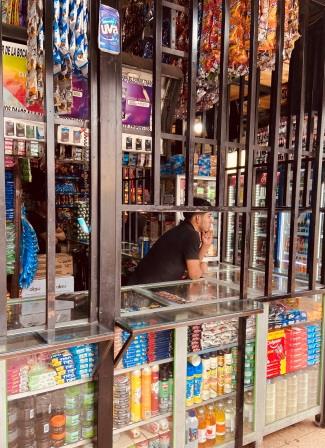
The city is divided into zones, and some are certainly more dangerous than others. This was Zone 1, relatively safe in the daytime but judging from the metal bars on some the shops, it seemed they had problems with security.
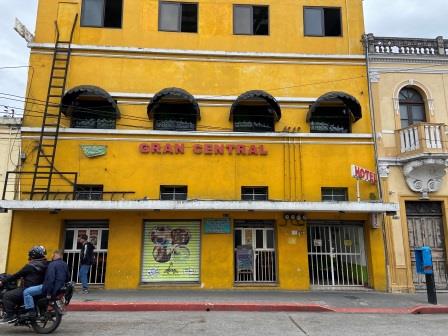
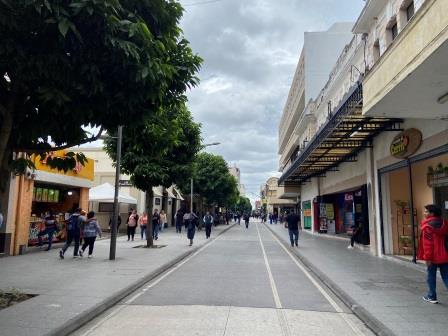
I maintained a kind of zig zag pattern before eventually arriving at the main drag: Sexta Avenida. The street has been regenerated and is now a tree-lined pedestrianised thoroughfare and is home to American and local fast food outlets, chain stores and a few more interesting local shops.
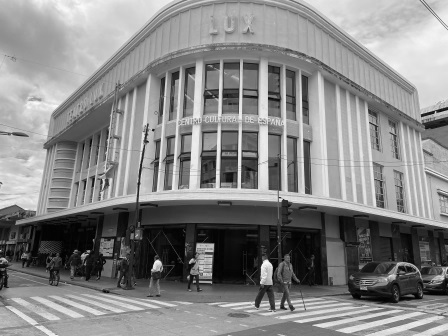
I darted off from Sexta for a while and wandered the side streets again before taking a break in one of the city’s oldest coffee shops: Leon. I sat sipping a delicious black coffee admiring the elegant surroundings and inspecting the old photos of the city on the walls.
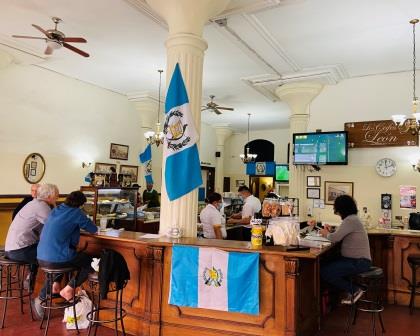
Then suddenly, the atmosphere was disturbed by shouting and chanting outside. I finished my drink and rushed into the street to see what was happening.
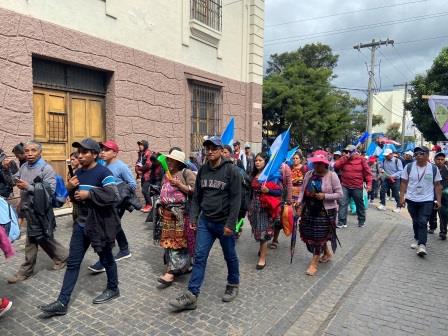
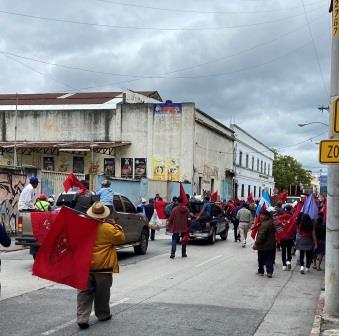
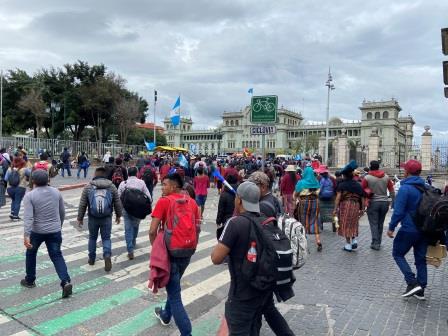
The long line of democracy protesters was partly flanked by the police and stretched back about three blocks. I stood there watching them pass. They were playing tunes on instruments and whistling on plastic horns. Many of them were dressed in indigenous clothes and they were carrying banners and placards.
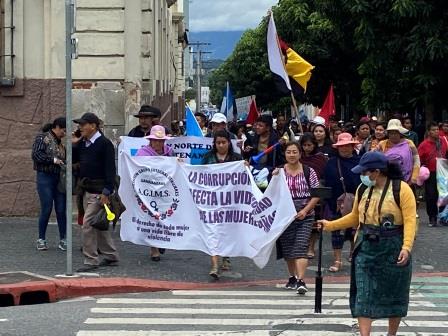
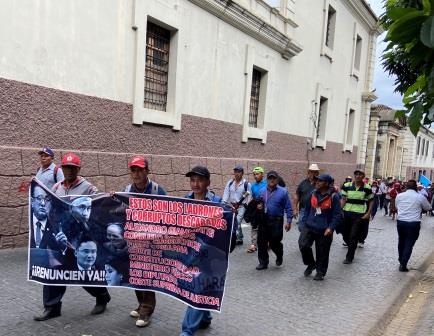
I waited for them to pass and then immediately set off following them. The police didn’t seem to mind as I caught up with them and mingled a bit. I showed my support with a few thumbs up signs. My smiles were rewarded with smiles and friendly nods. The atmosphere was peaceful, but it also felt powerful and moving.
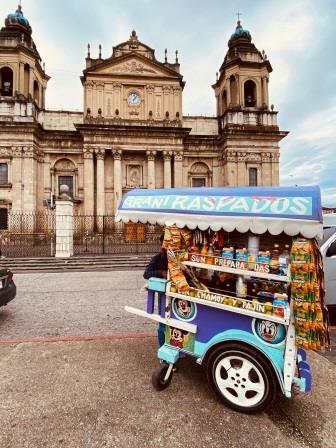
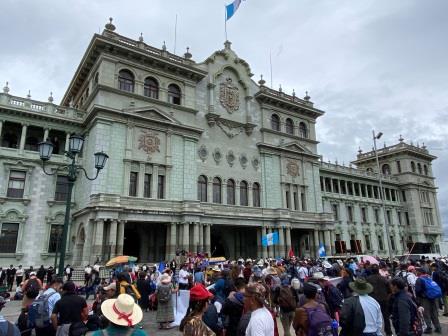
We curved around the streets and eventually reached the Parque Central and I stood aside and joined other bystanders clapping and shouting. Eventually, the crowd filled the square directly in front of the imposing Presidential Palace.
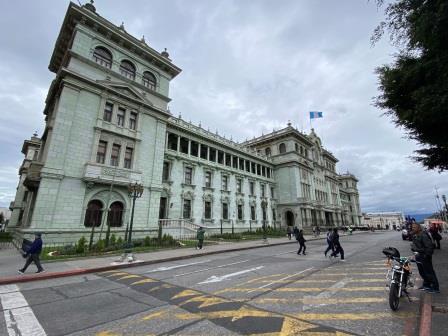
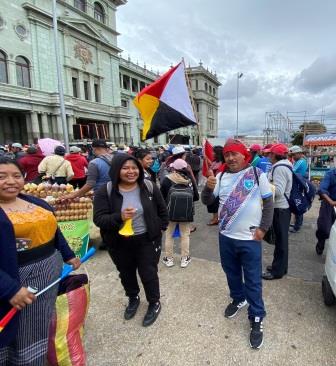
I went for a wander around mingling with the protestors. I was lucky to meet a couple who spoke English and they told me that whilst they themselves were local, other people had travelled more than 100 miles from their homes and had been maintaining a constant presence here and outside the prosecutor’s office since the start of October.
They told me of the great frustration with the level of corruption and organised crime in Guatemala. Underlying the protests was a distrust between politicians and the indigenous people.
Indigenous people make up about 50% of the population of the country, actually the second largest in Latin America after Bolivia, but the group have always been seriously underrepresented in the political system.
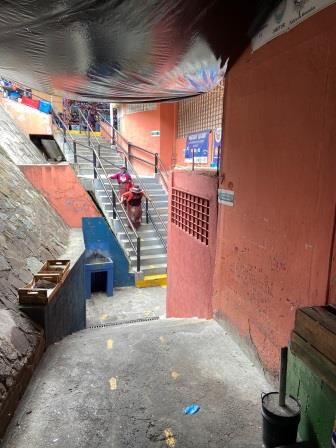
After a while spent watching the demonstration, I wandered over to the Mercardo Central. I had a bit of trouble finding it at first, as the entrance is almost hidden. It is all underground, the previous market was destroyed in the 1976 earthquake and this one was built to withstand another tremor.
After lunch, I did a bit more wandering and ended up in a bookshop that was doubling as a bar. Luckily the barman spoke fluent English and we chatted for a while. We started with the basics, Guatemala City was the largest settlement in Central America with a population of around 1 million, the whole country was around 16 million.
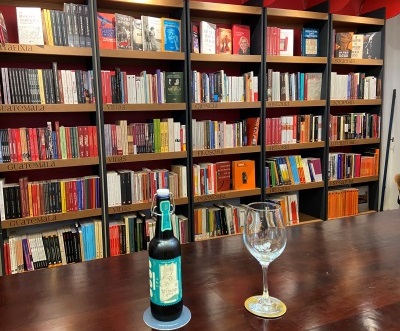
Then we moved to politics. The protesters had widespread support because Arevalo had campaigned on anticorruption policies. I was told that the key task for the new president was to invest money into the education system, particularly for the indigenous people.

I took a taxi from the centre to a place where I thought it would be easier to catch the chicken bus back to Antigua from. The driver turned out to be Uruguayan and most of the 15 minute trip was spent by me talking in my very limited Spanish about Luis Suárez and the current state of the Premier League teams. The driver dropped me at Miraflores at the back of the giant shopping centre on the main road out of the city.
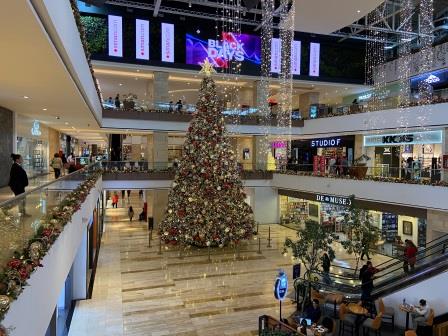
I hadn’t intended to step inside the mall itself, but as I been dropped on the opposite side, I made a short cut through the centre. It was impressive: undistinguishable from a similar complex in the UK. Depressingly, just like the UK, they were already trying to celebrate Christmas right at the start of November.
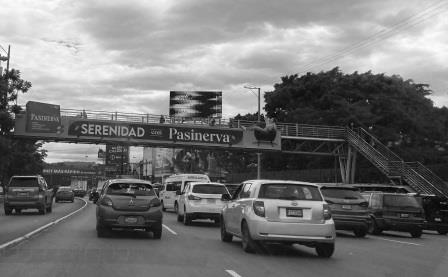
I crossed the footbridge in front of the complex and as I was walking down the stairs, I spied a chicken bus coming along the road. The conductor seemed to make eye contact with me immediately and started shouting “Tigua, Tigua”. I nodded and clambered aboard.
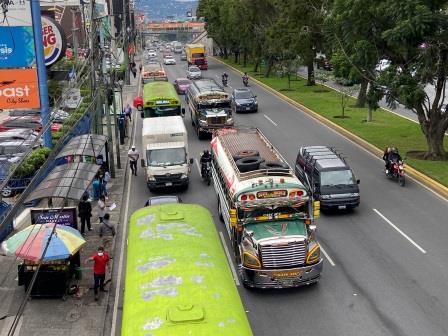
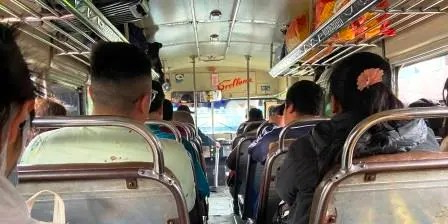
The bus was quite full, but I got a seat at the back. Most of my fellow passengers were students on their way home from school or people returning from shopping trips. We set off slowly, constrained by a traffic jam, but soon we were travelling at the breakneck speed that chicken buses are infamous for, all the way back to Antigua. I had to grab hold of the handrail of the seat in front a few times, but I loved every minute of it.

 Trains To Beyond