Travelling towards Spain on the “Little Yellow Train”
El Tren Groc
A few months ago, the Daily Telegraph ran an article* listing the ten most scenic train rides in Spain. I am not normally a huge fan of the “travel list” pieces that appear regularly in the Guardian and Telegraph, but as more train travel around Spain has been on my bucket list for a while, this one did appeal to me.
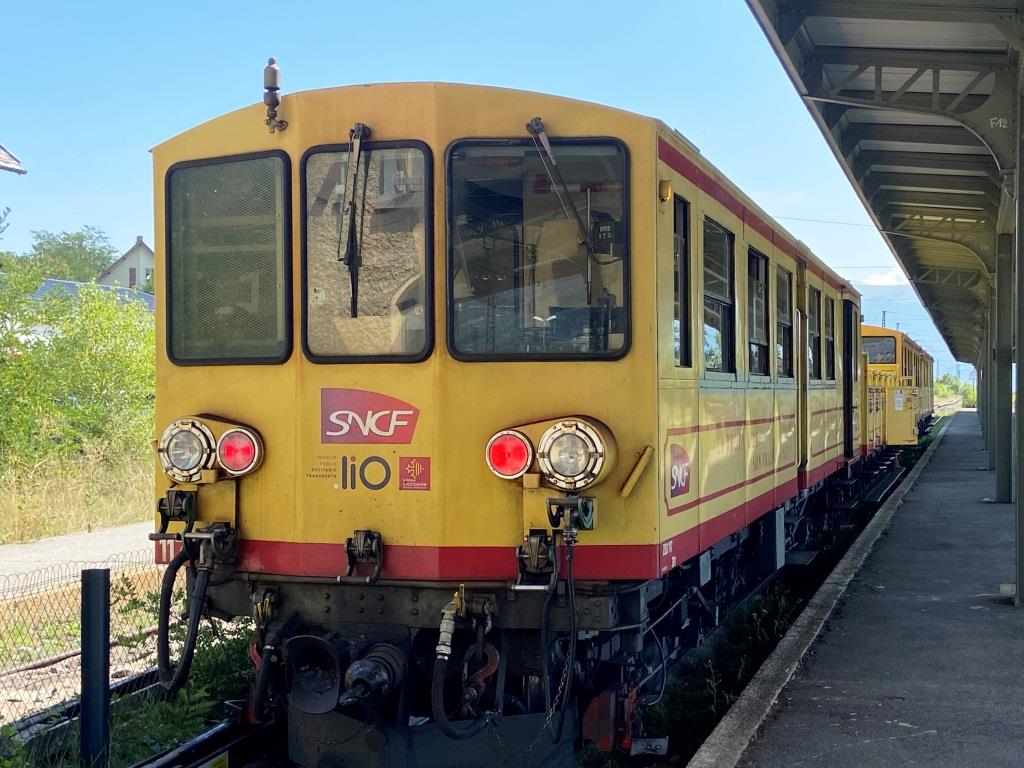
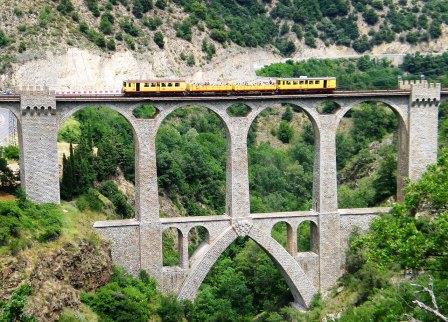
Among the journeys on the list was “El Tren Groc” (Catalan for “yellow Train”), a metre gauge line running for 63km through the Pyrenees. The photograph of the little train crossing a suspension bridge amidst spectacular scenery caught my eye. The idea of an end of summer trip to Spain and a ride on the Tren Groc began to intensify in my mind.

However, after a bit of investigation, I found that what the newspaper had described as a joint French / Catalan operation was totally within France. It was operated by SNCF (French national railways) and never actually entered Spain. Moreover, even though Catalan is spoken in some parts of French Catalonia, it was usually referred to as “Le Train Jaune”.

Despite the fact it was French, the little yellow train still looked very appealing. I decided to make a ride on it the focus of a slightly longer rail trip that would now (have to) involve France as well as Spain.
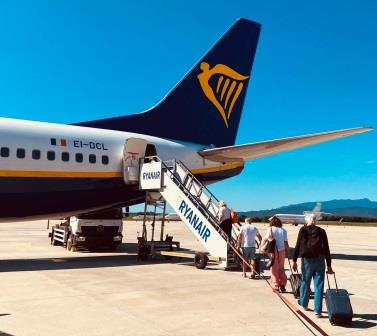
I managed to find tickets on Ryanair that would have us flying out of London Stansted to Beziers, France and then flying back from Girona, Spain. If we were willing to make do with a small bag (as one of us was) the fare for early September was less than £50 return.
Then I pieced together an itinerary that would take us on four rail journeys, including Le Train Jaune, and have us stay in four separate centres: Narbonne, Villefranche-de-Conflent, Puigcerda and Girona. The whole trip added up to around 500km and given how little we had paid for the flight; I was keen to see how much the train fares would be.

* The Ten most scenic rail journeys in Spain – Sally Davies (Daily Telegraph: May 14, 2024)
Journey One: Beziers Airport to Narbonne (45km)
We landed (on time) at Beziers at quarter past three in the afternoon on a Sunday in early September. The blue skies and temperature of 23 degrees Celsius were a welcome change from the drizzle we had left behind at Stansted. Beziers was one of those airports that Ryanair seemed to have developed all by itself. Nobody flew there before it started, and no one else flies there now. Yet the operation seemed like a success. In season, the low-cost carrier offers flights to ten European destinations of which five are in the UK.

The small terminal, capable of only handling two aircraft at once, seemed bright and modern. Posters welcomed us to the local region, Occitanie, and better still, there were five immigration booths open. Within ten minutes of descending the aircraft steps, we were at the bus stop outside. 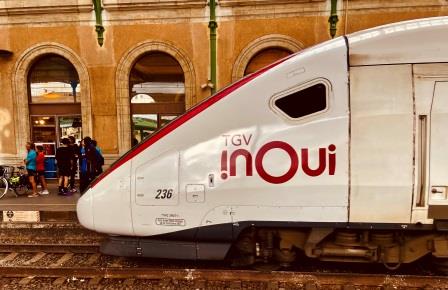
Beziers seemed to be doing its best to keep users of its airport happy. It had organised a bus service to the railway station in the centre of town which left 30 minutes after each flight landed and cost just 2 Euros. The vehicle turned up on time and had us standing outside the SNCF Gare within fifteen minutes. A ticket to Narbonne from the vending machine set us back 6.50 Euros each.
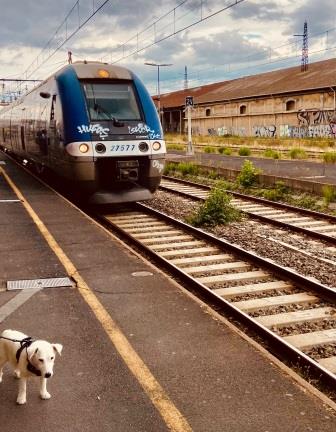
We had to wait just over an hour at Beziers. We spent it by enjoying a walk around the park, conveniently located just opposite the station, and then sitting with a coffee in the buffet watching large groups of travellers board the late afternoon Paris-bound TGV. Eventually, we caught the 17:37 TER Occitanie service heading to Perpignan. Within 13 minutes we were at our destination.

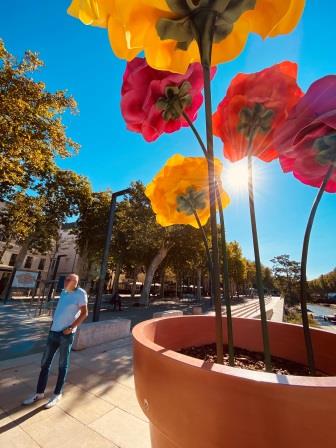
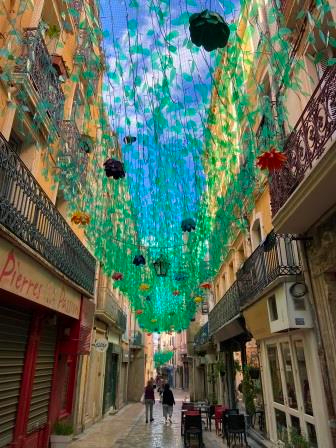
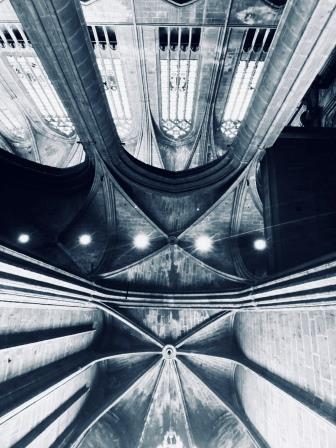
Narbonne
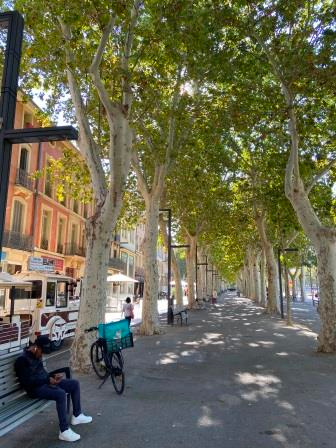

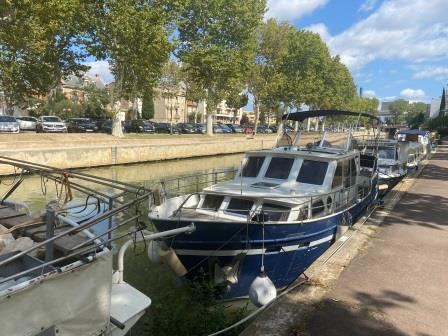
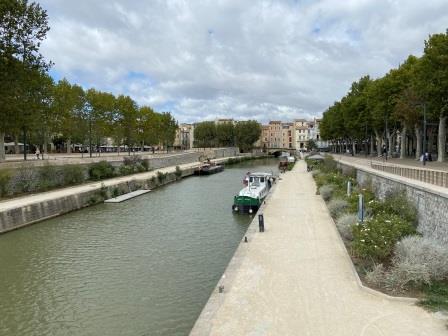







Journey Two: Narbonne to Villefranche (110km)
Our second journey took us from Narbonne to the starting point of Le Train Jaune, Villefranche-de-Conflent. The trip was supposed to only involve a couple of trains, but a landslide meant we had to endure a replacement bus as well.

Narbonne seemed to enjoy an excellent train service. Frequent TGVs linked it with Paris and Lyon to the north and Perpignan and Barcelona to the west. There was also a Spanish AVE high speed connection to Madrid as well as Intercity trains plying back and forth between Bordeaux and Marseille.
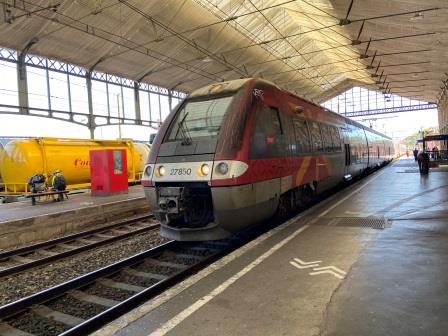
We were taking one of the slower TERs which normally link Avignon with Perpignan and often extend to Port Bou just across the Spanish border. Our 12:02 service was formed of a couple of four car SNCF Class Z 27500 electric multiple units, both in the red livery of TER Occitanie and bearing the IiO (Lines intermodal of Occitanie) logo.

I really like the 27500s; they are great even for longer distance travel. They offer comfortable seating, large windows and wide folding tables that are ideal for on-train picnics.
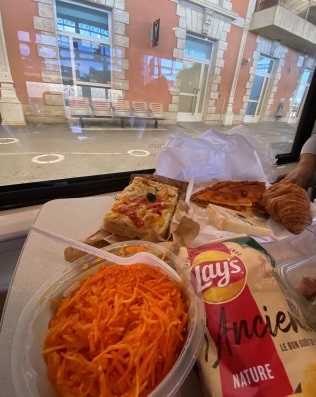
Even before the train had left the station, we had already begun spread out our purchases from the market: cheese, bread, two salads, a slice of squid pie and a naughty bag of crisps.

The ride down to Perpignan took us about 50 minutes. In bright sunshine, we skirted the edge of the lagoon south of Narbonne and went past fields of olive trees and along the edge of (Languedoc-Roussillon) vineyards.

We alighted at Perpignan and crossed to the opposite tracks admiring the impressive train shed as we went. In normal times the train ride from here up the little electrified branch line to Villefranche would have taken us around an hour.

The problems stemmed from a landslide that occurred back in July. Apparently it caused a train to derail and hit a bridge. Nobody had been hurt, but it wasn’t known when the line would be restored. Certainly, the SNCF website didn’t offer any clues in that direction.
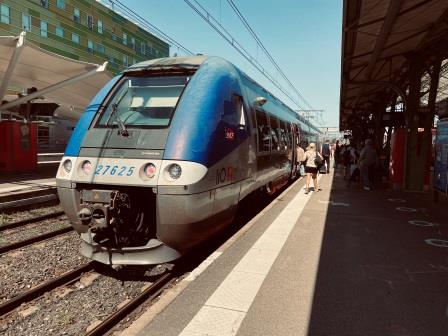
Our train, another Class Z 27500 unit, arrived within a few minutes and after a stay of less than a quarter of an hour in Perpignan, we set off again. We wound our way through more vineyards heading west along the valley of the River Têt.
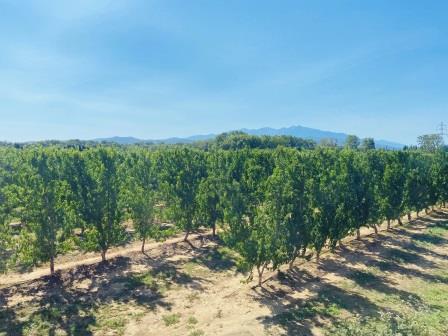
After about twenty minutes the train terminated at Ille-sur-Tet. We were directed onto the replacement bus already waiting outside the station. Then for the next forty minutes we drove in and out of several towns and villages that the train would have stopped at. 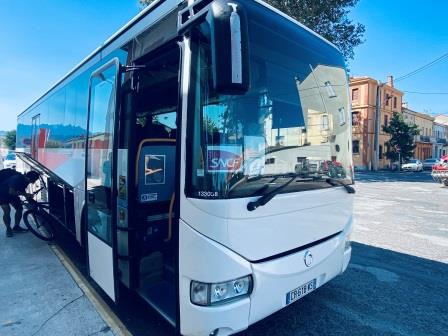
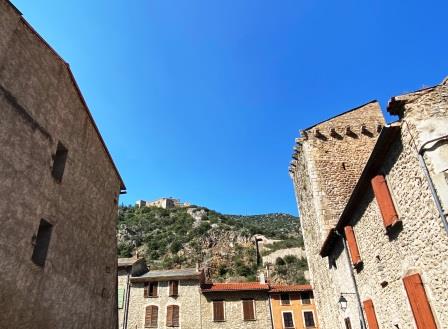
The bus eventually dropped us just in front of the SNCF station at Vilefranche-Vernet-Les-Bains (the second part of the name refers to another village close by). With no trains operating on the Perpignan line, the station seemed very quiet and save for a couple trying to buy a ticket for the evening Train Jaune departure there was no one around. 
I went for a quick wander. The standard gauge tracks terminating here were closest to the station building. As if to confirm the problems that the railway was facing, a solitary Class Z 27500 was standing in a siding surrounded by weeds. 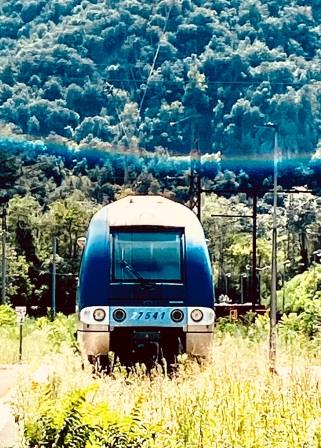
On the far side of the station were the metre gauge tracks where Le Train Jaune began. Behind them was its depot with one of the little carriages sitting there, heavily graffitied. 
The journey from Narbonne had taken just under two hours. The regular fare had been 18.30 Euro, but we had paid 14 Euro by making use of SNCF’s “tarif découverte senior” which enables anyone able to prove they are over 60 to travel for less.

Villefranche-de-Conflent


Journey Three: Villefranche to Puigcerda (70km)
Our third journey took us on the Le Train Jaune itself on a three-hour trip from Villefranche to the other end of the line at Latour-de-Carol. Then, after changing trains, we headed a few kilometres across the Spanish border to Puigcerda.
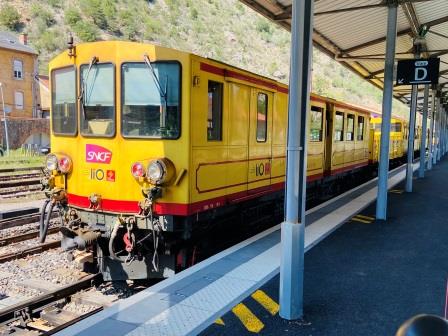
We arrived at Villefranche Station just after 09:30 and we saw that the train to form our 10:02 service was already standing in the platform. With its livery of yellow and red, derived from the colours of the Catalan flag, the four coach train was in typical formation for the summer. At each end were two driving motor coaches, both fitted with “shoes” to pick up electricity from the 850V third rail, and in between them were two trailers, one covered and one open to the elements.
 The reservation system for Le Train Jaune was a bit of a mystery. There were no allocated seats, but it seemed the train itself could sell out. We had booked ahead on the SNCF Connect app (paying the senior fare of 18.30 euros against a regular fare of 24.30) and our tickets showed the time of the train. We were welcomed by the SNCF guard who was checking everyone through a small barrier, but he was also turning some people away. We later heard that some of our fellow passengers had been told the previous day that the train was already full, only to be allowed on board when they had turned up.
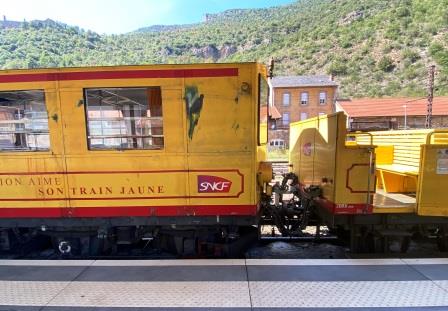
The forecast for the whole day was bright sunshine and temperatures in the mid 20s, so we had opted to travel in the open trailer. We were not alone, and we just managed to grab a couple of places in one of the little compartments.

As we waited for the train to leave, we chatted with our fellow passengers. There was a mix of Swedish, Dutch, French and British. We were the only ones travelling one way with luggage, everyone else was either making a round trip or getting off somewhere along the way to go walking. Although the line mainly caters to tourists these days, it was built back in the early 1900s as an access route for local people to reach the coast. Population decline and better road access have gradually eroded this role. 
Nevertheless, save for a month-long shut down for maintenance (this year in October), the line does run all year round. This fact was confirmed by the presence of snow ploughs in the depot at Villefranche. More modern two-car trains have recently been purchased and they form the backbone of the service in winter.
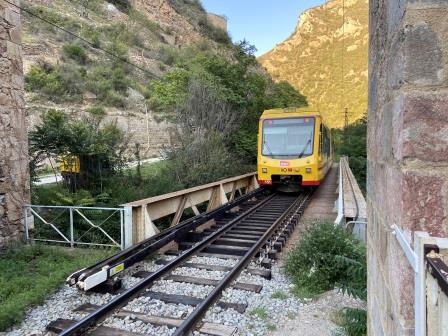
Bang on time, and with a toot of the whistle, we were off. We trundled slowly out of the station into the warmth of the morning sunshine. Once the train got moving though (maximum speed was only around 55km/h) it got a bit windier, and everyone quickly donned their sweather and jackets. 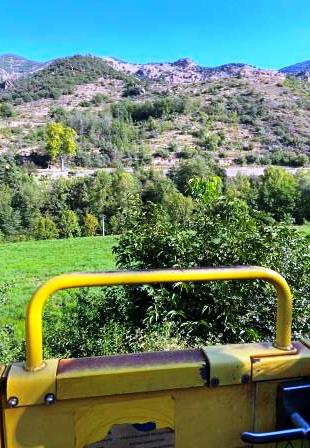
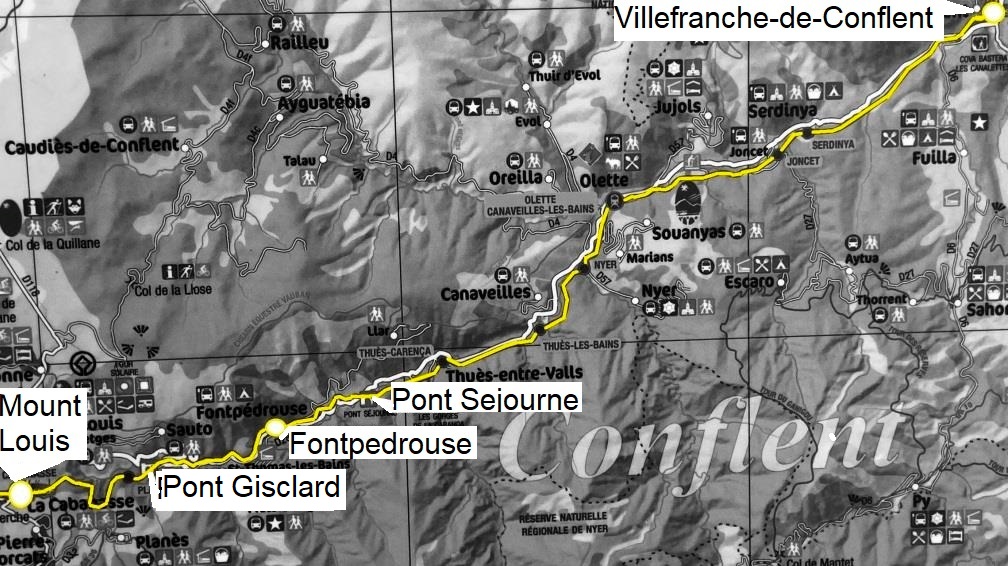
It didn’t take long for the scenery to become pretty spectacular with views of the mountains on each side. The little train twisted along the narrow single track passing through the first of 19 tunnels on the line and over the impressive masonry viaduct, Pont Séjourné.
Officially, there were twenty two stations on the line but as fourteen of them were actually request stops, they often went by unannounced and unnoticed as we passed through them without stopping.
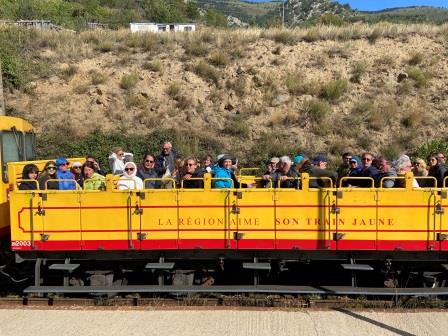
At 10:57 we reached Fontpédrouse-Saint-Thomas-les-Bains. There was a passing loop at the station, and we crossed with the 8:26 departure from Latour-de-Carol. There were only two daily trains each way that covered the full 63km distance. There was another departure from Villefranche after us at around 6pm, and in the opposite direction the train that we were on returned from Latour just after 3pm.
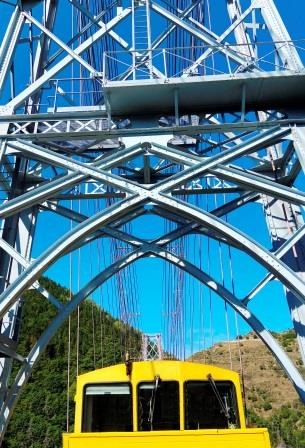
We continued and then after a few more kilometres passed over the spectacular but slightly vertigo inducing Pont Cassagne (Pont Gisclard), the only rail suspension bridge still operational in France.

We arrived at Mount Louis at 11:29 and crossed with a train heading down from Font-Romeu. We then pressed on again, climbing to the line’s summit (1593m), the highest point of any railway in France.
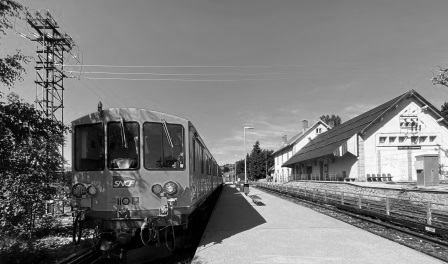
The scenery began to change as we reached the wider mountain plateau. There were spectacular views towards the Pyrenees in the distance.
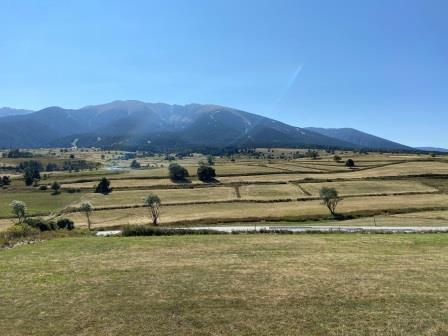
We arrived at Font-Romeu-Odeillo-Via at 11:56. In addition to the two daily through trains, there were an extra three services that arrived here from Villefranche and turned around. This seemed to make sense because a lot of people, predominantly walkers, alighted here. 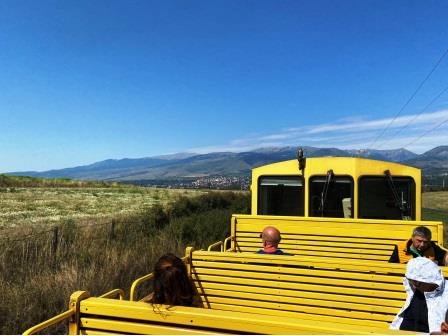
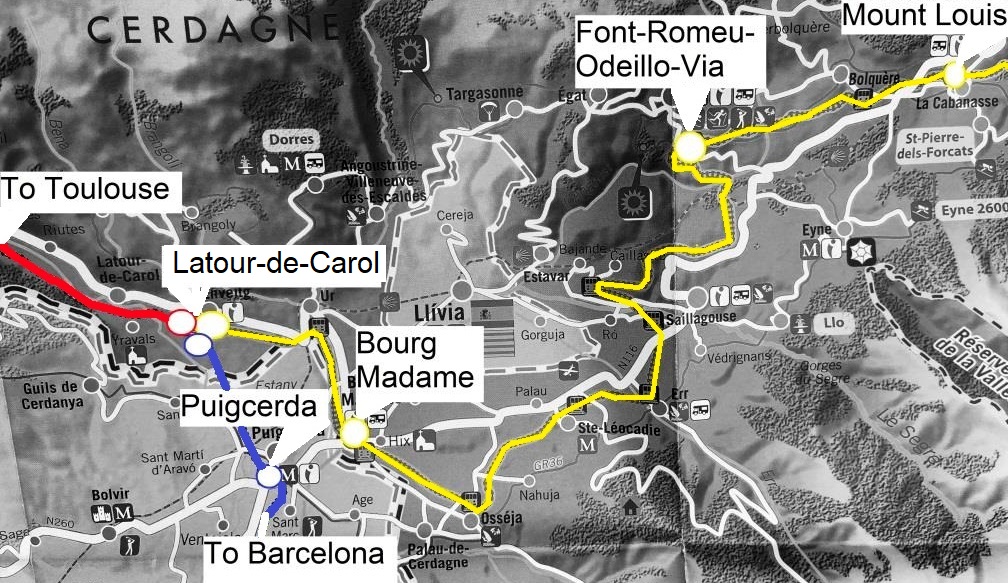
As we began the next stage of the journey, descending down towards Latour-de-Carol, the train was noticeably a lot less busy. After a twisty descent, we pulled into Bourg Madame at 12:55. The town was very close to Puigcerda, our final destination, and we could probably have walked to our hotel in 30 minutes.
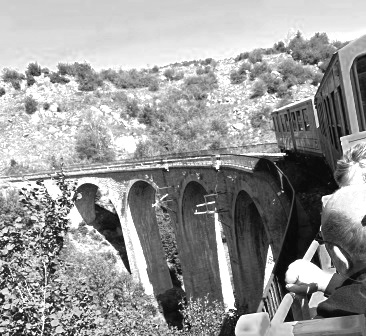
We set off again for the last time, passing through more urban scenery and then looping around, through the line’s longest tunnel, to reach the terminus at Latour-de-Carol, arriving right on time at 13:11.
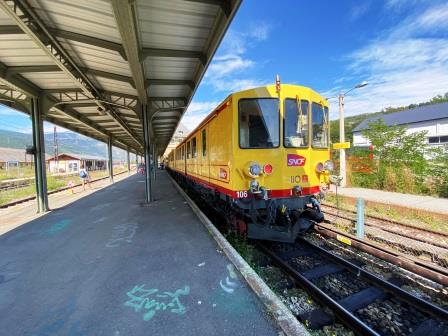
Latour-de-Carol is one of the few stations in the world where three lines of different track gauges meet. In addition to the metre gauge line we had just arrived on, there was the standard gauge SNCF line that started here and headed towards Toulouse and the Spanish gauge (1688mm) railway that also started here and headed down to Barcelona.

Nevertheless, it seemed that European cooperation was sadly lacking at Latour. We tried in vain to get a ticket for the Spanish train at the French ticket office. The lady behind the counter indicated that we should try our luck over at the Spanish platform, but we found it deserted.
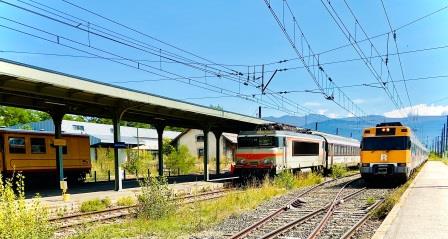
There was no information on the Spanish side either. The scheduled time of departure for our 13:30 service, came and went and it was getting on for 13:45 before our train, arriving from Barcelona, finally appeared. By this time, the connection to Toulouse had already departed. 
The train made a quick turnraround and soon we were off. A few minutes later we passed over the Spanish border and just seven minutes after leaving Latour we arrived at the first stop, Puigcerda, our destination. The journey from Villefranche had taken the best part of four hours.
Puigcerda


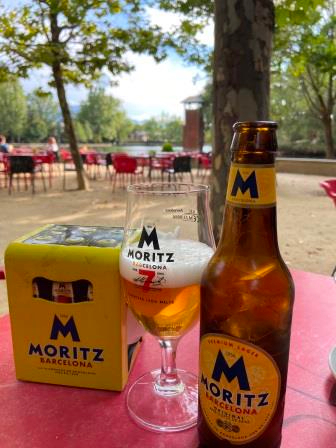

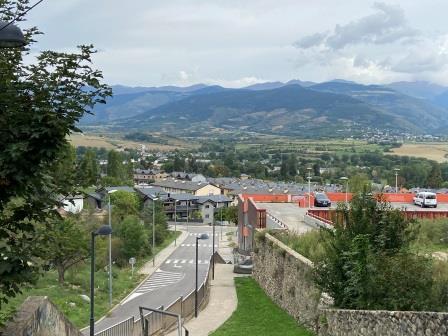

Journey Four: Puigcerda to Girona (270km)
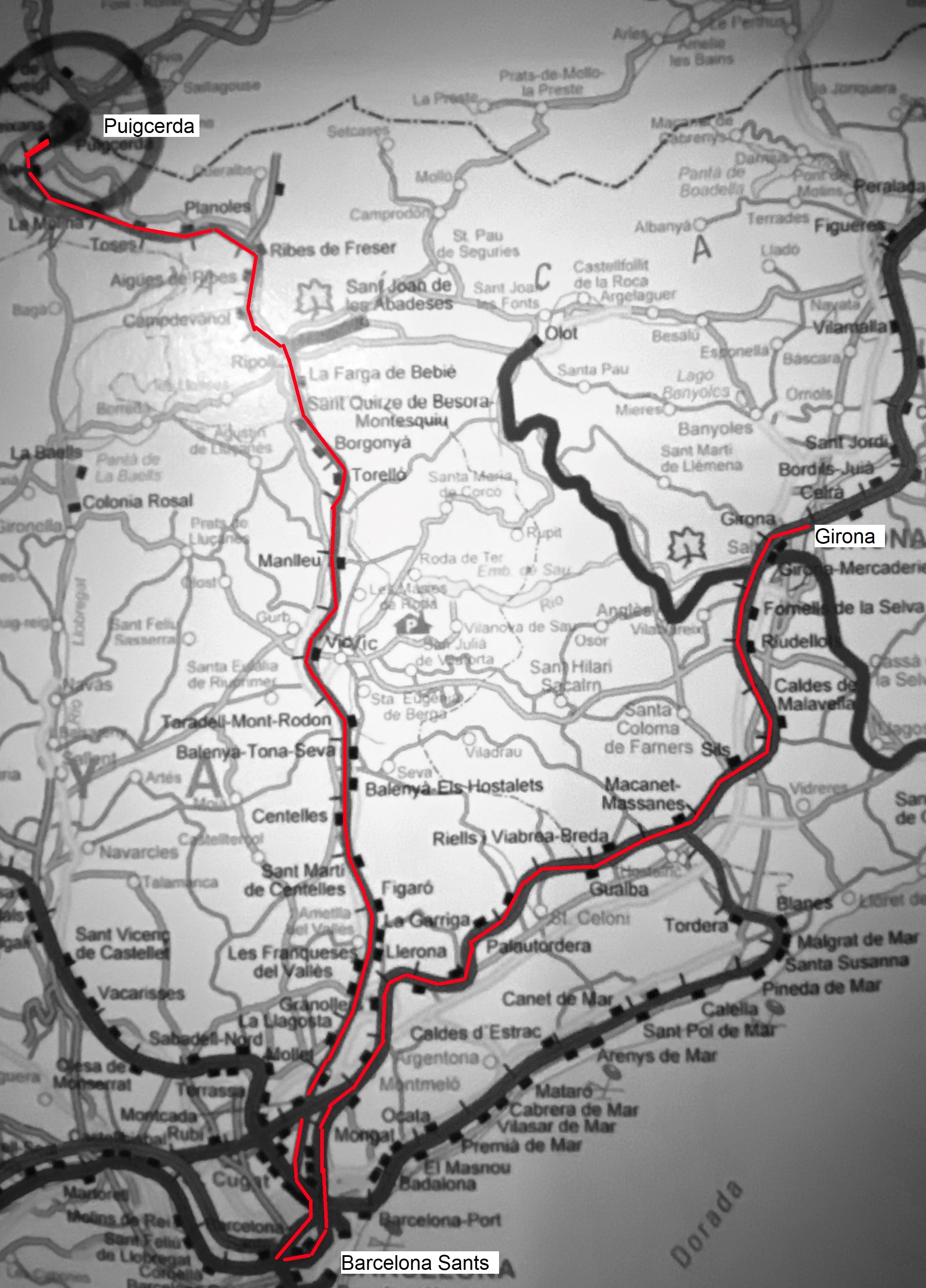
Our last journey took us around 165km south from Puigcerda to Barcelona and then after a quick change of trains, 108km north again to our final destination, Girona. Looking at the map it was a bit of a detour, but I hadn’t managed to find a reliable more direct route even by bus.
 We caught the 8:37 train from Puigcerda. Although running at a frequency of every two hours or worse, the trains are part of line R3 of Barcelona’s Rodalies suburban train system. Our service was formed of a solitary 4-car class 447 unit in the distinctive Rodalies orange and white livery with the big “R” on the nose.

At three hours for around 160km, the journey wasn’t quick, but it was fascinating. The line was single track for most of the journey and it began with us twisting along narrow ledges on the side of hills and passing through several tunnels as we descended slowly towards the coast.
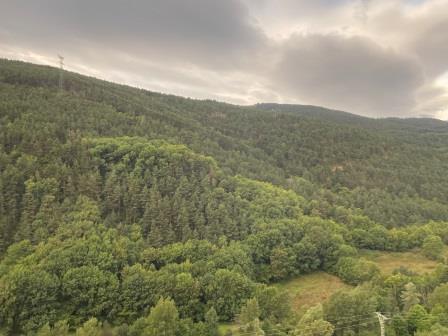
At Ribes de Freser there was a connection to the Vall de Núria mountain rack railway. It was actually one of those that the Telegraph article had listed as being in the Spanish scenic top ten nine. Then gradually we emerged into flatter countryside, passing through small towns, slowly becoming more urbanised and then finally into the outskirts of Barcelona.

In tandem with the scenery changes, the train became more crowded. We had started off with only three people in our carriage, but more and more people got on and by the time we were entering the tunnel system to take us under Barcelona, there were several people standing. Arrival at the uninspiring darkness of Sants’ subterranean platforms was around ten minutes late at 12:05.
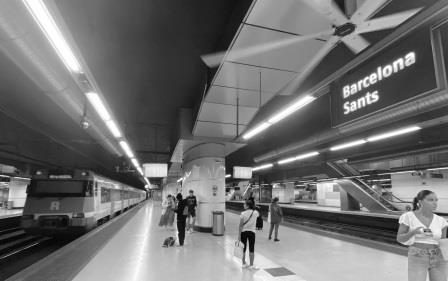
I have been lucky enough to visit Barcelona many times so I wasn’t really aiming to linger in the city. We just went upstairs purchased another ticket for the rest of our journey and grabbed a quick ham sandwich and a beer from one of the outlets on the concourse. 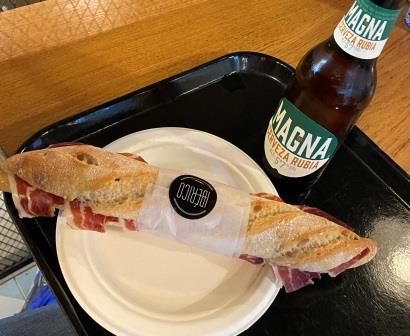
We then caught the 13:16 R11 service, formed of another Class 447, which was heading for Celebre just across the border in France. The trip to Girona took us about 90 minutes, there were quite a lot of stops and we passed through pretty unexceptional countryside. 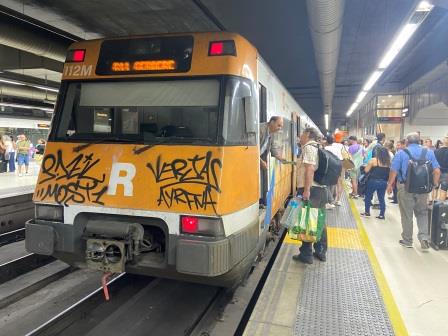
The newer high speed line ran parallel with us for much of the way. The AVE and TGV trains using that line can get to Girona in around 40 minutes. We could have caught one, but it would have cost more.

Just before 3pm we pulled into Girona’s modern looking elevated station. There didn’t seem to be a lot going on, once our train had left, the place looked pretty desolate. The high speed AVEs and TGVs use an adjacent terminal that has underground platforms.
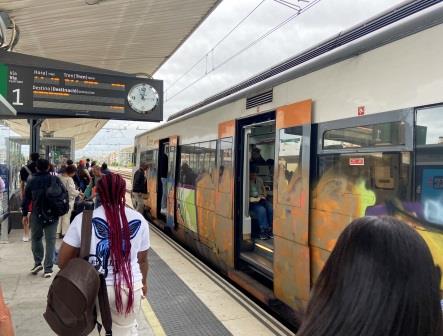
The journey from Puigcerda had taken over five hours including our lunch break. We had paid 12 Euros to get into Barcelona and then 8 to get out again. Not bad value at all.
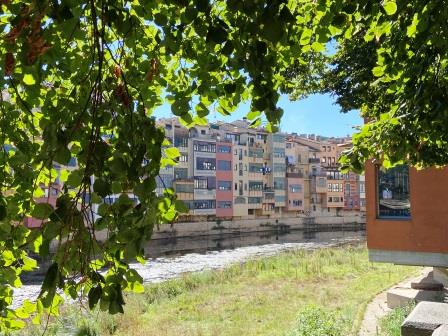
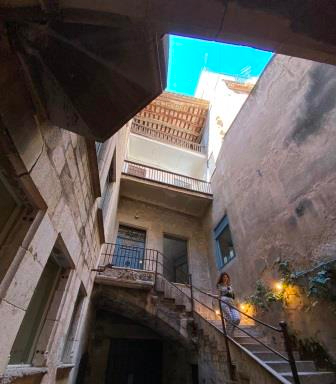
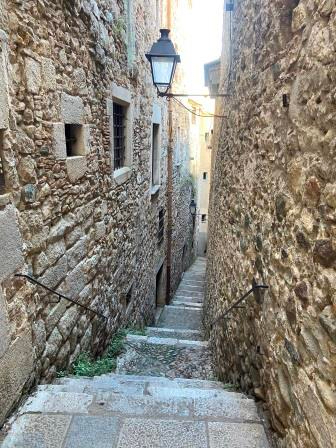
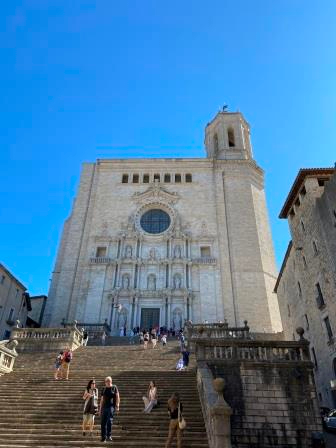
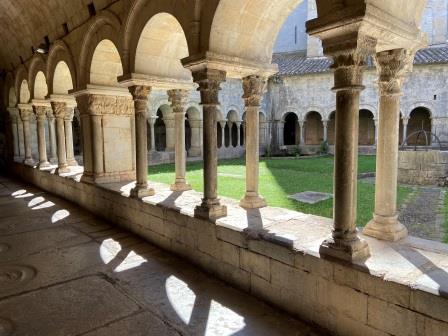
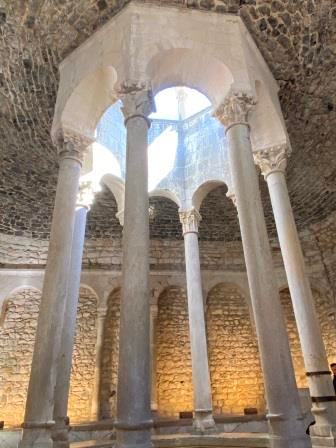
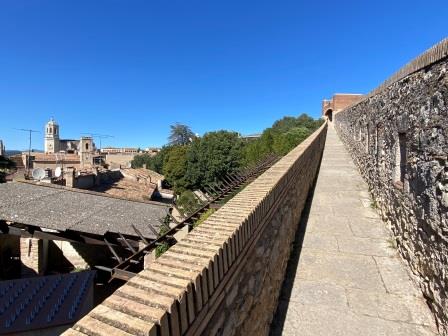
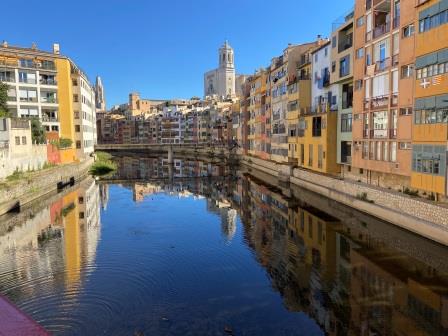
Girona





Conclusions / Suggestions
The route we followed provided a very cost-effective way of using public transport to see four interesting places and to experience Le Train Jaune. In fact, including the final bus to Girona Airport (2.80 euros) our total outlay on 500km of train/bus travel was just 63 euros. Even had we not taken advantage of “decouverte senior“, it still would have been less than 75. With our cheap flights averaging out at around £80 return, and even adding in the rather expensive Stansted Express train fare, the whole transport element of our trip only came to around £200 per person.
We were able to find reasonably priced hotel / Airbnb accommodation in all the places we visited with the exception of Villefranche, where scarcity put prices up. Nevertheless, a stay in the village is probably necessary in order to catch the 10:02 departure, itself the only viable way of reaching Latour-de-Carol at a reasonable time. The only other daily departure from Villefranche arrives there at 9pm.
Even working in the opposite direction, it would be impractical to stay in Puigcerda and catch the early morning departure from Latour without using a taxi. Travelling up from Barcelona in the morning, catching the mid-afternoon train from Latour and making a connection at Villefranche to stay in Perpignan might just be viable. Whatever route is chosen, it is recommended Le Train Jaune tickets are reserved in advance via the SNCF Connect app, arriving at the station early is advised to secure reasonable seats.
The whole itinerary was easy to follow and did not feel rushed or tiring. Nevertheless, the final journey from Puigcerda to Girona was long. Swapping Barcelona for Girona as the final stop would make sense, especially if that city were being visited for the first time. Ryanair offer reasonably priced flights back from the main Barcelona airport too.

 Trains To Beyond

