Exploring the Kanmon area and travelling through Japan’s first undersea rail tunnel
The Kanmon Straits
The Kanmon Straits is the stretch of water that separates Japan’s main island, Honshu, from its second most populous, Kyushu. Although both passenger and car ferries still operate across the straits, just 700 metres wide at their narrowest, most travellers now cross using one of four fixed links. There are two railway tunnels, a road/pedestrian tunnel and a suspension bridge carrying an expressway.
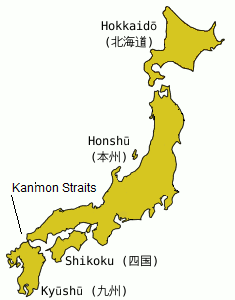
The first fixed link from Honshu to Kyushu, the original railway tunnel, was opened back in 1942. By contrast, it was not until March 1988 that the Seikan Railway Tunnel was opened to Hokkaido, followed a month later by the Seto Ohashi Road/Rail Bridge to Shikoku.
The Plan
On a visit back to Japan towards the end of 2025 we took the chance to explore the two main conurbations on either side of the straits. We visited Shimonoseki City in Yamaguchi Prefecture on the Honshu side and Kitakyushu City in Fukuoka Prefecture on the Kyushu side. We also made a couple of crossings of the straits in the process.
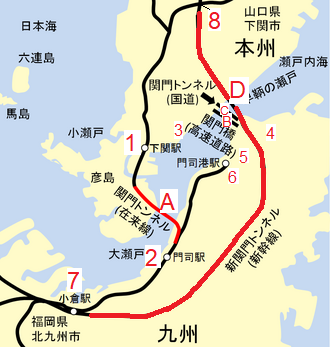
We made a quick train ride back and forth between Shimonoseki (1) and Moji (2) through the Kanmon Railway Tunnel (A). Back in Shimonoseki, after a visit to Karuto Market (3), we walked under the impressive Kanmon Road Bridge (B) before descending down into the Kanmon Pedestrian Tunnel, part of the Kanmon Road Tunnel (C) to cross back to Kyushu.

We walked along the shoreline to Mekari (4) before catching a heritage train to historic Mojiko (5). After looking around the “retro” town and visiting the Kyushu Railway History Museum, we jumped on a train (6) for the short ride to Kokura (7). After an overnight stay, we explored the Kokura and returned to Shin Shimonoseki (8) on the Shinkansen via the Shin Kanmon Tunnel (D).
The Kanmon Railway Tunnel
Our journey began at Shimonoseki station. It was to be a short seven minute ride through the Kanmon Railway Tunnel (3.6 km) under the sea to Moji and then back again. I knew it was not going to be any different from a trip through any other tunnel I had taken, nor very exciting, but I wanted to do it anyway. When it opened over 80 years ago this tunnel was quite something. We can get lost in definitions but it has a claim to be the world’s first true undersea railway tunnel.

Although the tunnel is officially part of the Sanyo Main Line which begins at Kobe and ends at Moji, the Kyushu Railway Company (JR Kyushu) assumed ownership of it following the breakup of JNR in 1987 and now operates all the passenger trains. It uses Class 415 dual voltage (AC/DC) electric multiple units for the job. Like most short distance trains in Japan, they offer the chance to look through the driver’s cab and out of the front window, which was perfect for the curious tunnel observer !
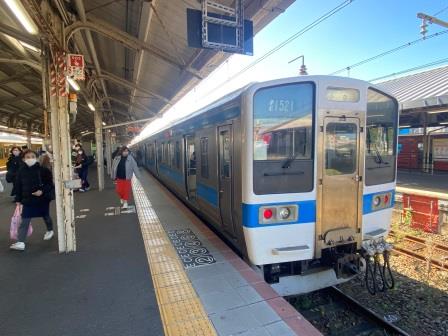
All trains on the Sanyo Main Line (operated by JR West) from the Hiroshima direction terminate at Shimonoseki. There is then a cross platform connection to the JR Kyushu trains heading for the tunnel. Most of these are just shuttles to Moji and Kokura but others continue on a little further into Kyushu.
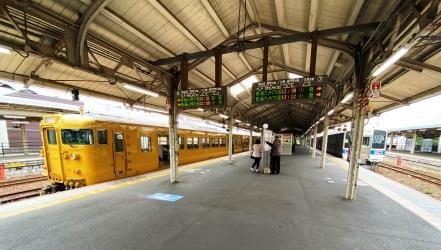
Before the opening of the Shinkansen in 1975 and right up to the end of overnight sleeper trains in the early 2000s, many services transiting the tunnel were long distance expresses. Now, the frequent container trains are the only real through traffic.
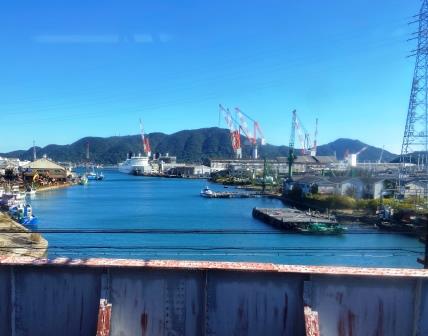
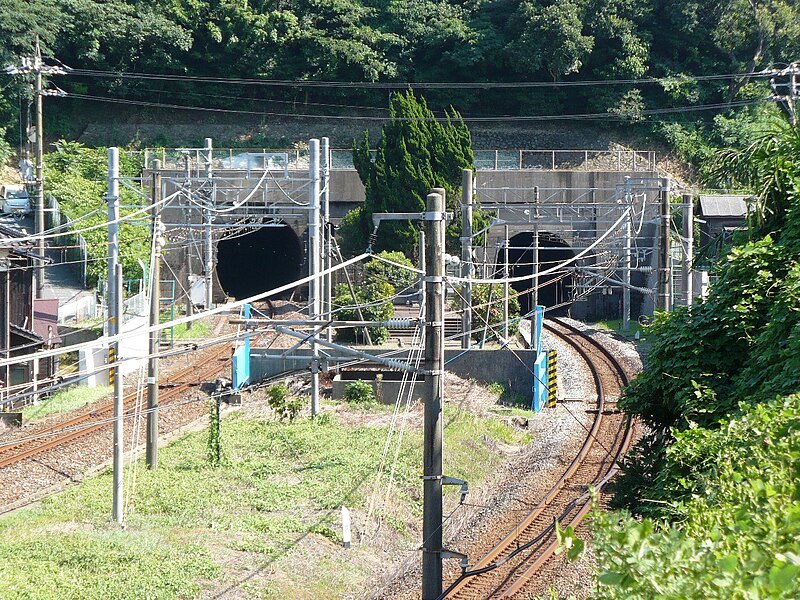
We pulled out of the station and then trundled over the bridge to Hikoshima, the small island where the tunnel begins. There are actually two tunnels, one for each direction. I soon noticed we were running on the “from Kyushu” track, presumably due to engineering work. A few minutes later we plunged into the bore, still running “wrong line”.
As expected, there was nothing too remarkable about the tunnel itself, save for the sense of descending to the centre and then climbing out again. Within a few minutes we had exited and were heading up the shallow ramp towards Moji. Whilst the tunnel was electrified at 1,500V DC when it opened in 1942, Moji was wired with the 20 kV AC system in the early 1960s, so the train had to switch between voltages on its approach to the station.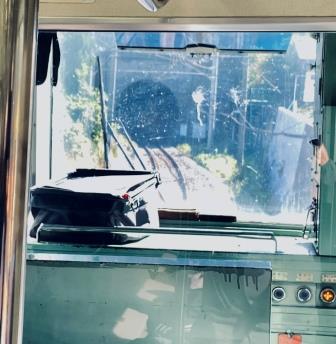
We arrived in the platform exactly seven minutes after leaving Shimonoseki. The station here opened in 1891 and was first known as Dairi. Originally, it was just a stop on the Moji (current Mojiko) to Kagoshima, Kagoshima Main Line. With the arrival of the Sanyo Main Line from Honshu, it became a junction and assumed its current name.
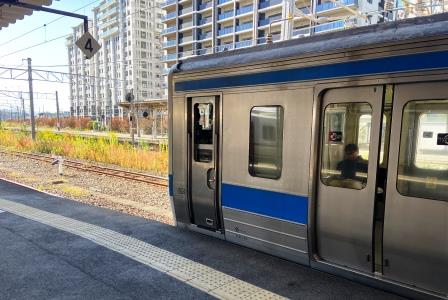
The trains to Shimonoseki ran roughly every twenty minutes, so we didn’t wait long before heading back. Leaving the platform the train was taking power from the AC catenary, but as it descended the ramp and entered the tunnel it was working on DC. The Japanese were among the early pioneers of dual voltage trains and from the mid-1960s onwards automatic switching between the two systems became commonplace.
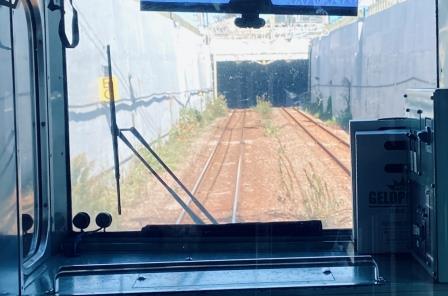
After another seven minutes we arrived back in Shimonoseki. As we exited the station, I found it amusing that although they have had trains that operate on two voltages for half a century, they haven’t yet got a ticket barrier that can deal with two kinds of IC card. If you had arrived from Kyushu, you were to follow the red line, if you had come from Honshu, you followed the blue line. Luckily we had old style magnetic tickets, so it didn’t matter.

Shimonoseki – A Battle for Sushi
Shimonoseki, with a population of around 300,000, is the largest city in Yamaguchi Prefecture. As well as being at the westernmost tip of Honshu, it is a ferry and fishing port and famous as the leading handler of the poisonous pufferfish known in Japanese as fugu.
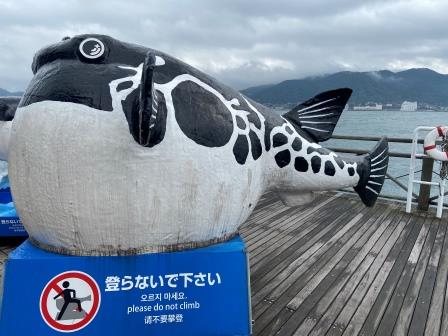
We headed straight to Karato Fish Market. We had visited around 18 months ago on a weekday, catching the wholesale market as it wound down and eating in one of the market’s restaurants. This time we were visiting for a different purpose.
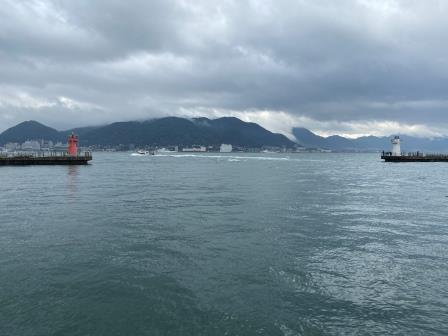
“Iki Iki Bakangai” refers to the event held every weekend at Karato. You can get extremely fresh and very cheap sushi from stalls in and around the market. As we approached, just before eleven on a Sunday morning, it was already quite busy.
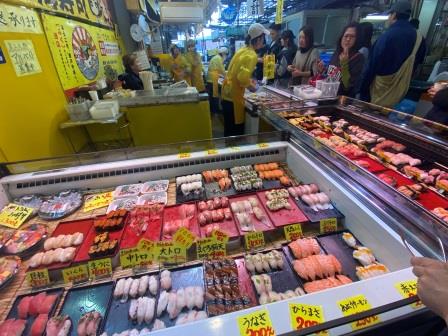
We wandered around inspecting the thirty or more stalls selling freshly made sushi. Most were busy, but some were extremely crowded with people seemingly waiting more than twenty minutes to get served. It was a real “battle for sushi”.

Sushi was definitely the main thing here, but a few stalls were offering deep fried pieces of fugu or shrimp and others were selling various kinds of seafood soup. It was fascinating to see the place transformed from the wholesale market we had walked around about 18 months before.
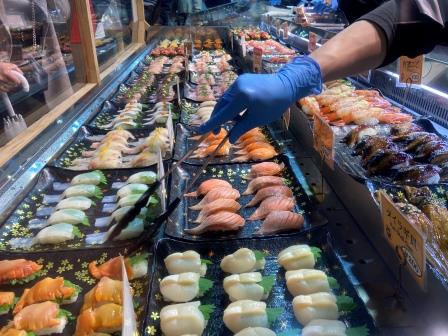
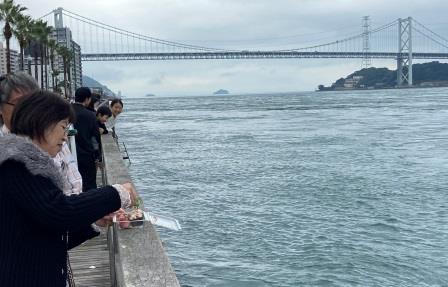
We put together a little picnic of sushi in a couple of plastic trays, bought some drinks from a vending machine and sat down on the little promenade outside overlooking the Kanmon Straits. Everybody was doing the same thing, it was a great atmosphere and the food was delicious.
Samurai – Rise and Fall
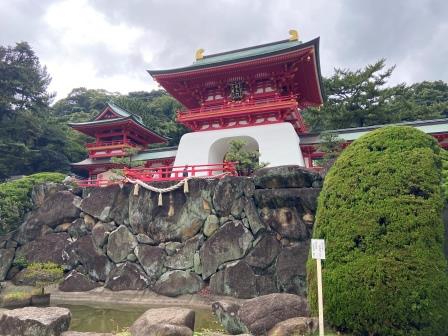
A short walk from Karuto brought us to the Akama Shrine. It is known for its historical ties with the Battle of Dan-no-ura, the final clash of the Genpei War (1180-1185) which took place in the Kanmon Straits.
Opposite the entrance to the shrine are statues of Minamoto no Yoshitsune, victor in the clash, and Taira no Tomomori, who he defeated. Tomomori, realizing the battle was lost, committed suicide by tying a large anchor to his feet and leaping into the sea.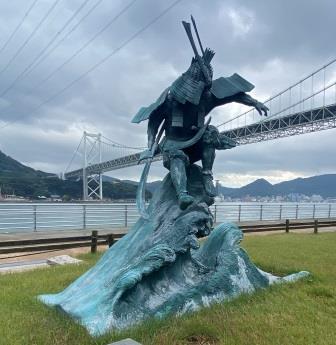
This pivotal conflict between the Taira and Minamoto clans marked the end of the Heian period and the start of samurai dominance in Japan. Yet this area is also famous for another battle that effectively ended the era of the samurais.

Displayed next to the two warriors are replicas of the giant nineteenth-century cannons that belonged to the Choshu domain and were used against the British, American, French, and Dutch fleet at the Battle of Shimonoseki Strait in 1863. Their defeat here led to the Meiji Restoration and the demise of the samurai.

The Road Bridge
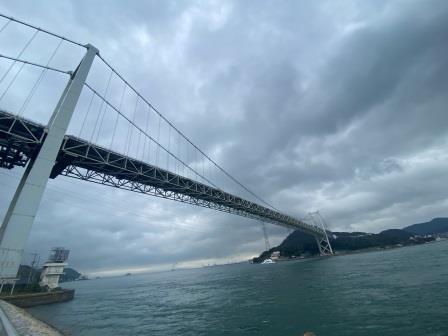
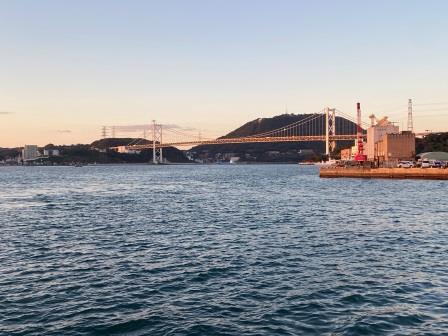
As we walked, it was impossible to avoid admiring the Kanmon Bridge as it towered above us. It was opened in 1973 and carries an expressway (motorway) across the Straits. In the days when I lived in Yamaguchi Prefecture, I used it many times without really noticing the views off to each side.
Road Tunnel
Running under the Kanmon Straits close to the bridge, the road tunnel carries National Route 2 (the equivalent to a British “A” road). The design has the two lane (one lane in either direction) road on top with the pedestrian tunnel underneath.

When it was opened in 1958, it was the longest undersea highway in the world. Its overall length is 3,461 metres and it is 58 metres below sea level at the deepest point.
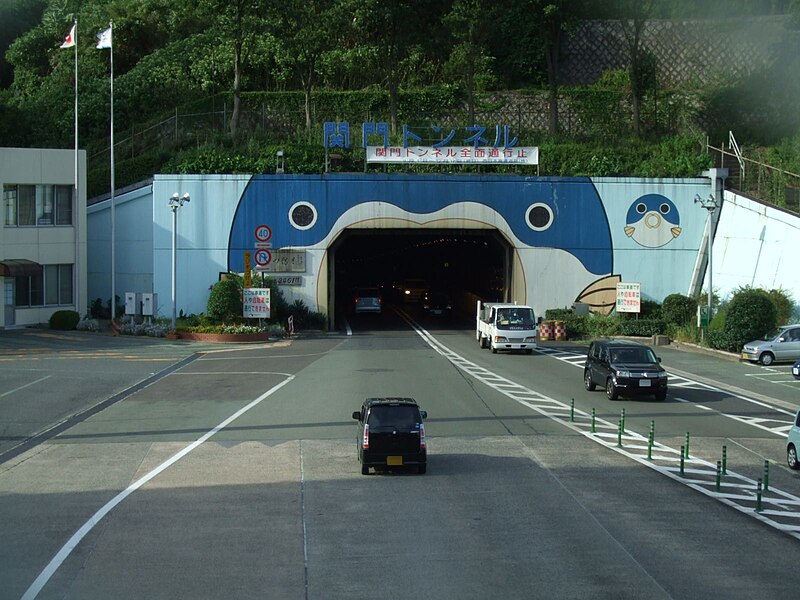
On our trips back to Yamaguchi in the 2000s, the tunnel became our preferred way of driving to Kyushu, mainly on economic grounds. The mouth, about 1km inland from where we were standing is, not surprisingly, decorated with a fugu.

Pedestrian Tunnel
Access to the pedestrian tunnel is via lifts on either side. As it skips the long approach sections of the road tunnel, it is only 780 metres long. The walk between Honshu and Kyushu takes around 15-20 minutes.
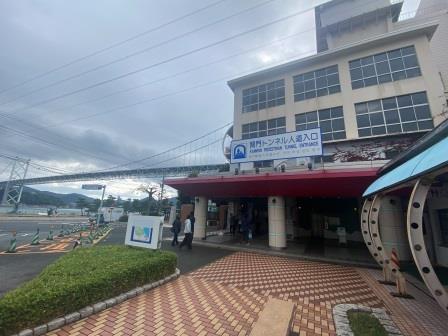
As of 2025 the tunnel is free to pass for pedestrians, and twenty Yen for bicycles and motorbikes, both of which must be dismounted and pushed through the tunnel.

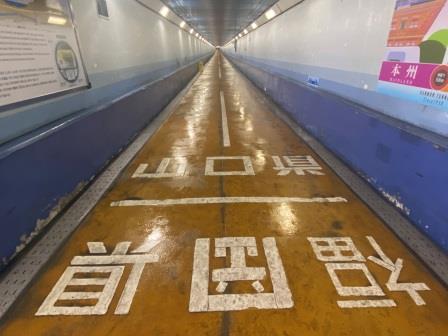
We jumped in a lift down to the tunnel level. There were only a few people walking through it. The thing was very well lit and although I had expected to hear some of the noise of the cars on the road deck above, it was very quiet.
Mekari
Emerging on the Kyushu side, we inspected Mekari Shrine before walking along a path around the coast. We paused at the water’s edge and watched a few cargo ships sail by. Apparently sometimes there are as many as 700 vessels a day passing here.

The Kanmon Straits serves as a connection between the Sea of Japan and the Inland Sea. It is mostly used by ships travelling between China and Korea and the ports around Osaka and Tokyo. 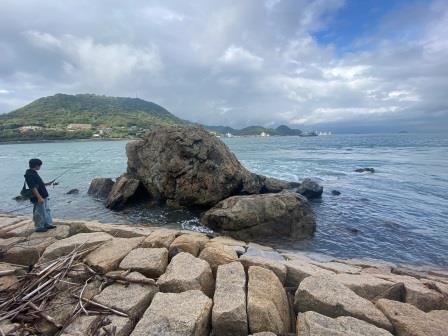
Around the next corner, I spotted a locomotive coupled to an old carriage parked close to the shoreline. This was the prototype EF 30 locomotive and it represented a little bit of electric railway history.
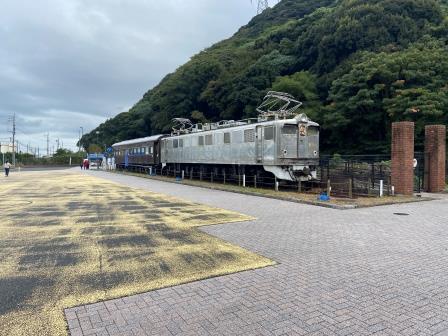
EF 30 1 was the first of 22 EF 30s that were built in the 1960s. They were the first mass-produced dual voltage AC/DC locomotives in the world. Designed specifically to take trains through the Kanmon Tunnel, they featured an aluminium body to prevent corrosion in the damp conditions.

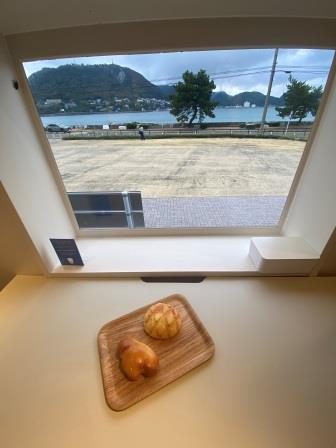
The coach next to the locomotive had been converted into a little cafe. We had coffee and cakes whilst looking out over the Kanmon Straits, wondering how many times the engine had pulled the carriage underneath the water.
Shiokaze
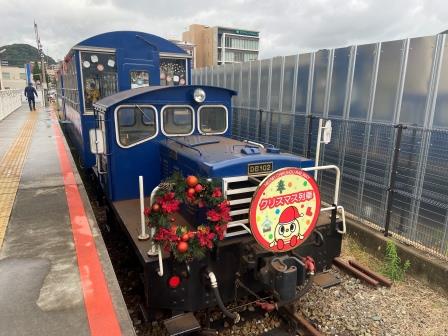
Just behind us there was an operational railway. This used to be a freight line extension from Mojiko station but it is now used as a heritage line. The little two-car passenger train with a small diesel engine at each end is named the Shiokaze (Salt Wind) and only operates at the weekends between March and November.
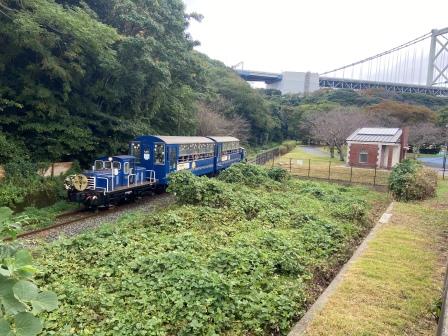
It runs every 40 minutes, making eleven trips a day. We got a ticket, waited for a while, and it turned up, The ride took around ten minutes and after passing through a tunnel, it deposited us next to the Kyushu Railway History Museum.
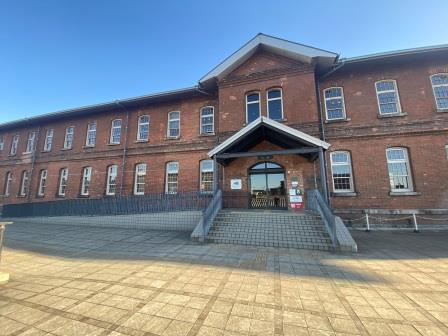
Kyushu Railway History Museum
The museum’s main building was the former head office of the original Kyushu Railway Company and was constructed back in 1891. In 2003 the current Kyushu Railway Company opened the museum to showcase the history of railways on the island.
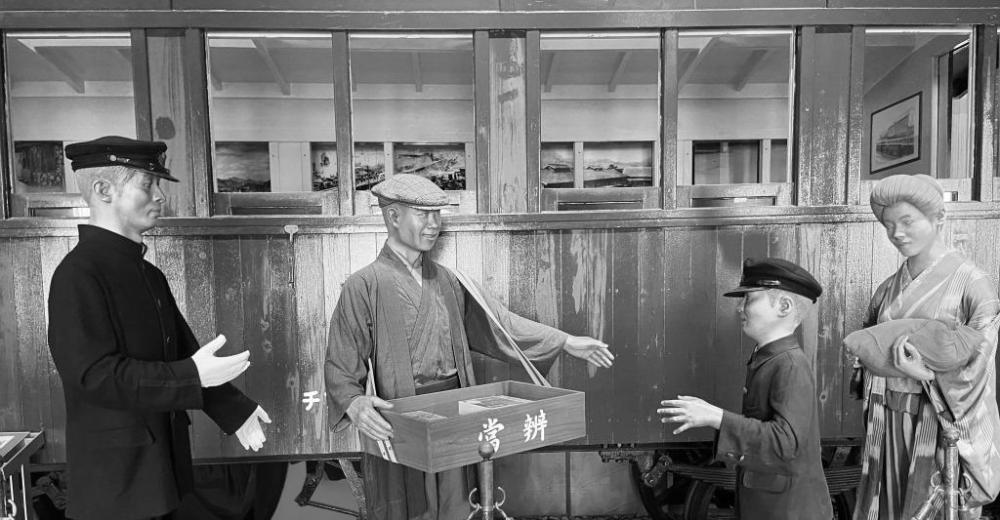
Click below for more on our visit to the museum and the history of railways in Kyushu.
Moji Retro
We were now in the centre of Mojiko (Moji Harbour). In 1963 the old port amalgamated with nearby Kokura, Wakamatsu, Yahata and Tobata to form Kitakyushu. With a population of around 900,000, it is now the second largest city in Kyushu, after Fukuoka.
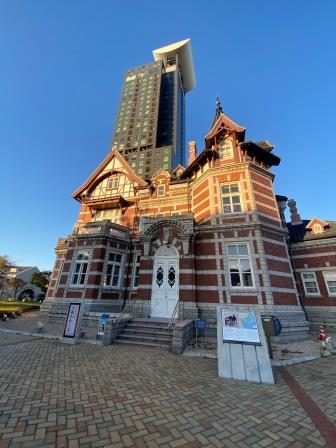
We spent some time wandering around Moji’s collection of beautifully preserved Western-style buildings from the late 19th and early 20th centuries. A restoration project in the 1980s turned the area into Moji Retro, a popular tourist destination.
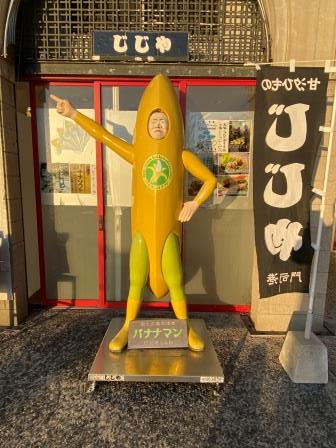
Moji has a long association with bananas. It became one of the main ports importing them from Taiwan. The local vendors who sold the fruit eventually evolved into street performers. There are a few “banana man” statues around the place.
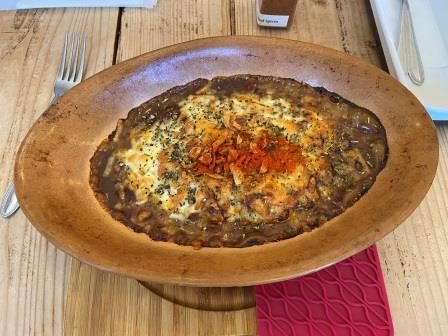
Feeling only a little peckish, we shared a bowl of Yaki Curry. The dish of Japanese curry and rice baked in an oven and topped with cheese and/or an egg originated in a local coffee shop in the 1950s. It is now widely available at many restaurants around Mojiko.
Moji Shopping
We then walked down the covered shopping arcade at Moji. Perhaps trying to capitalise on the success of “Moji Retro”, it tries to market itself on its nostalgic atmosphere. It is supposed to offer a glimpse into post-war Japan. The shops are accompanied by various art features as part of an improvement project.
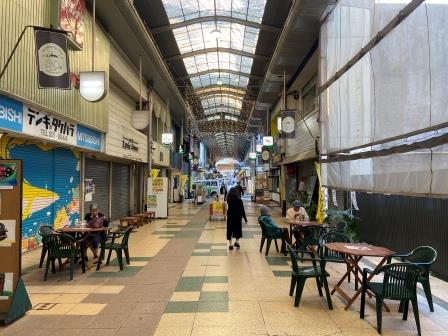
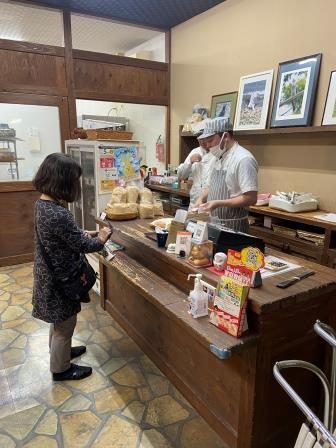
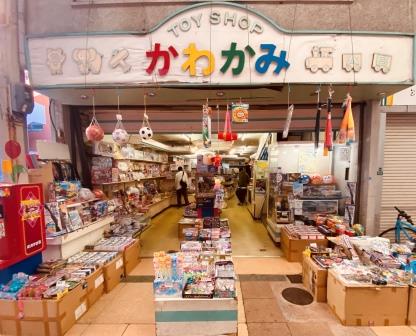
I wasn’t entirely sure whether the shopping centre project was working. There didn’t seem to be many shoppers around, perhaps we had just caught it on an off day. At least it seemed to be doing better than the little central market complex nearby. Only a few places there seemed to be open at all, with many seemingly closed up for good.
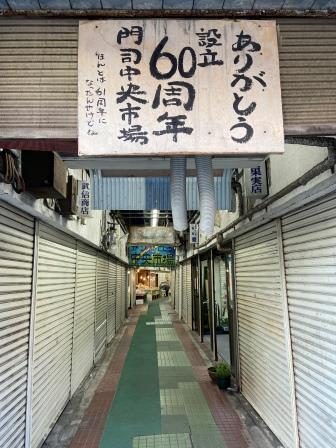


Mojiko Station
The station at Mojiko (until 1942 known as Moji) was opened in 1891 but the current building dates from 1914. It is wooden and built in an Italian Renaissance style. It is one of the few classic terminal stations on the main JR network.
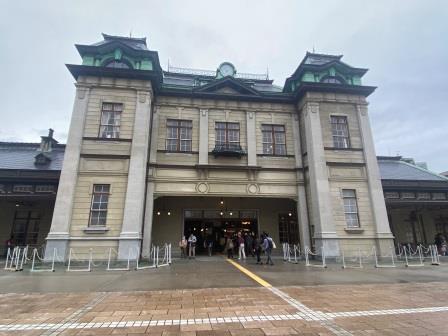
In its heyday, in the 1920s and 1930s before the opening of the Kanmon Tunnel, the station was the busy interchange point between the ferries to and from Shimonoseki and trains arriving and departing to the different parts of Kyushu.
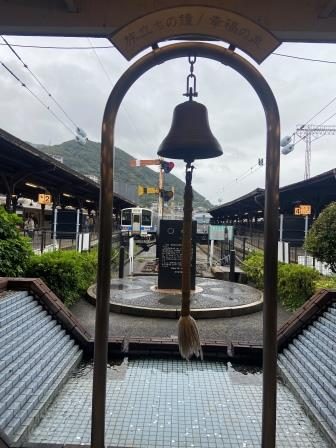
It was restored to near its original condition in 2019. It looked excellent. The platforms had been cleared of all clutter. There were displays of old semaphore signals and the “departure bell” which travellers used to ring to bring good fortune on their journeys.
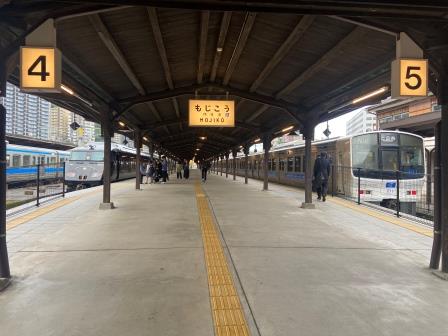
To Kokura
We jumped on the next train to Kokura. Our Class 821 electric multiple unit was around five years old but it looked brand new. Its design had clearly been influenced by Eiji Mitooka, the brilliant consultant who JR Kyushu uses to bring character to its rolling stock.

The interior could perhaps be described as “whimsical”. The floor pattern resembled QR codes, the two tone green seat moquette worked well and as in a lot of Mitooka’s designs, there was wood or wood effect.

The ride to Kokura took about fifteen minutes and included another stop at Moji. We then decided to remain on the train to Nishi Kokura as it was closer to where we were heading next.
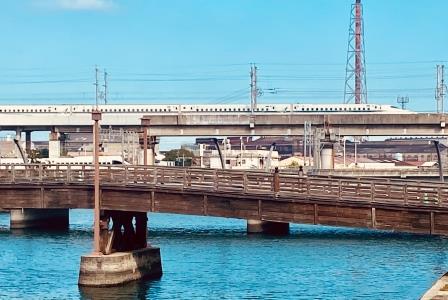
Matsumoto Seicho
Our final stop of the day was a visit to a fascinating museum dedicated to one of Japan’s most prolific and well known authors, Matsumoto Seicho (1909-1992), who was born in the city.
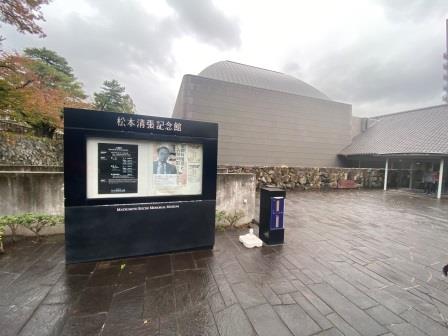
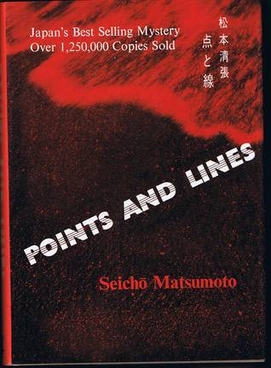
Matsumoto published more than 400 works of fiction and non-fiction. His hard hitting Nihon no Kuroi Kiri (The Black Fog of Japan) is considered a masterpiece of modern Japanese history. His first novel, Ten to Sen (Points and Lines) first came out in 1958 and is a classic Japanese detective story. It relies on railway timetables to solve the murder mystery.
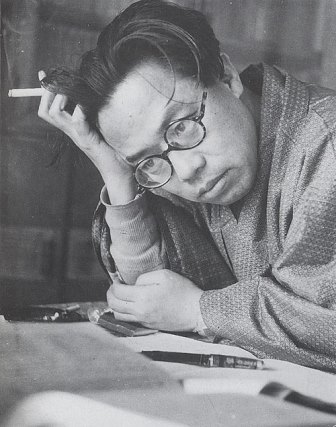
The museum uses exhibits, such as old manuscripts, and graphic panels to explain the career of the author. It also includes a complete reconstruction of his Tokyo house.
Kokura by Night
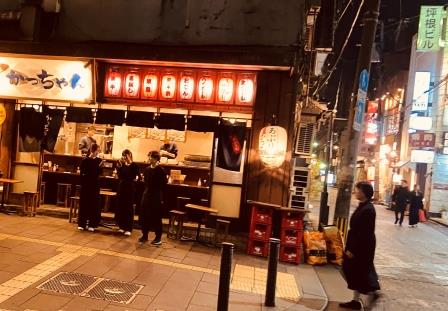
After it was dark we went for a wander around the city. Kitakyushu has a reputation as being one of Japan’s top night-view cities. Certainly, the illuminations were quite impressive. There was the added bonus that the decorations for Christmas were already on display.
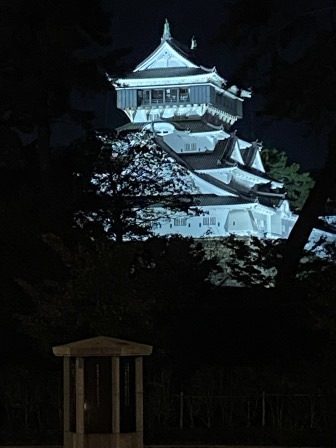
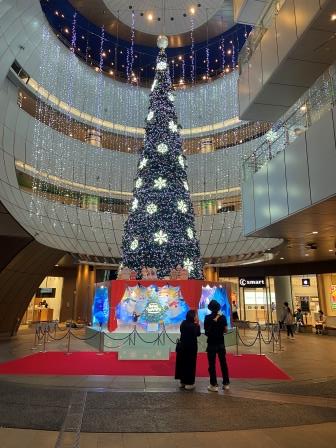

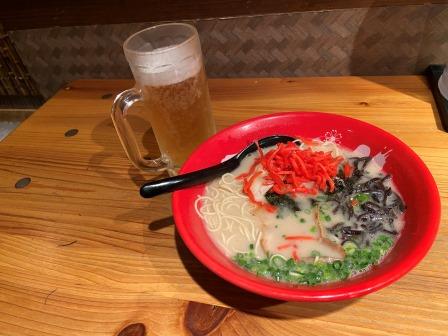
We went on a little pub crawl around the area immediately south of Kokura station. We managed to find some excellent cheap yakitori (grilled chicken) and finished off the evening with a bowl of ramen noodles.

Kokura Castle
We spent the next day in Kokura and we started with a visit to the iconic castle. It was built in 1602 by Hosokawa Tadaoki, who fought alongside Tokugawa Ieyasu at the Battle of Sekigahara. Between 1632 and 1860 it became the residence of the Ogasawara clan.

In 1866 the keep was destroyed intentionally by retreating forces loyal to the Shogunate to stop it falling into the hands of the Choshu rebels. It was rebuilt, using concrete, in 1959 and fully restored in 1990.
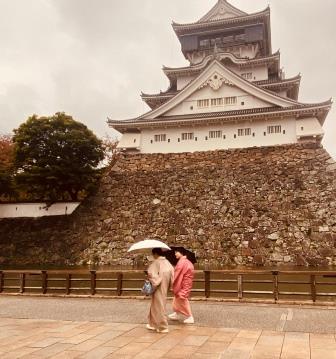
In 2019, there was a further renovation and the modern interior now includes a new engaging experience for visitors. We enjoyed the whole thing, spending more than an hour looking through the various exhibits.
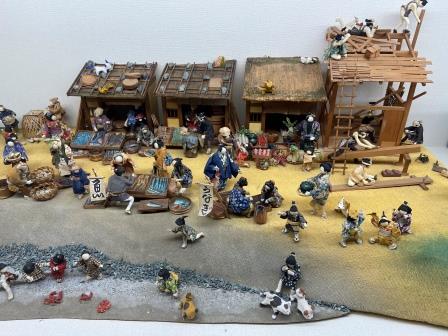
There was a mixture of films, models and interactive digital technology employed to tell the story of the castle all the way from its construction to its eventual restoration.
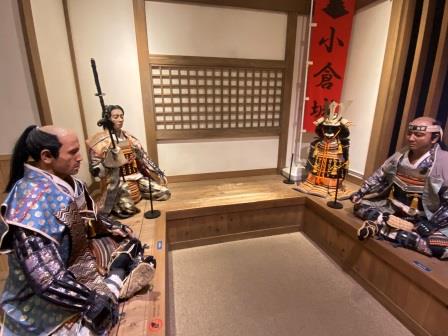
I thought the museum had used all this new technology extremely well. For the young (and the young at heart) there was an opportunity to “digitally dress up” as a samurai and even sit in a replica palanquin.

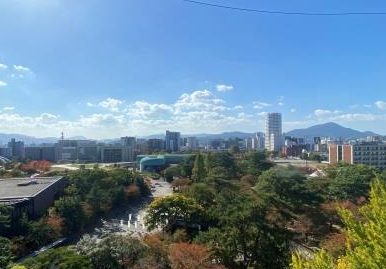
There was a cafe on the top floor of the castle and we had a coffee whilst looking out the modern Riverwalk shopping centre in one direction and the castle gardens and views of the hills beyond in the other. The visibility was perfect.
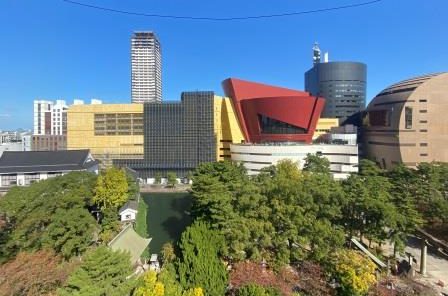
Kokura is also known for having had a very lucky escape. It was the main target for the second atomic bomb in August 1945. That day clouds obscured the city and led to the plane diverting away, eventually to Nagasaki.
Tanga Market
Kokura’s main market, Tanga, has a history stretching back over 100 years. Sadly, part of the site was destroyed by fire in 2022 and is now in the process of being rebuilt in a more modern style.
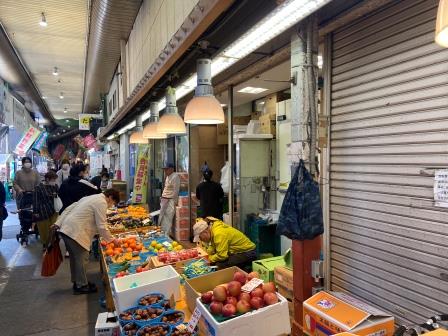
We spent a while walking up and down the narrow streets looking at the colourful array of stalls. On a Monday lunchtime it was great to see the place was bustling.
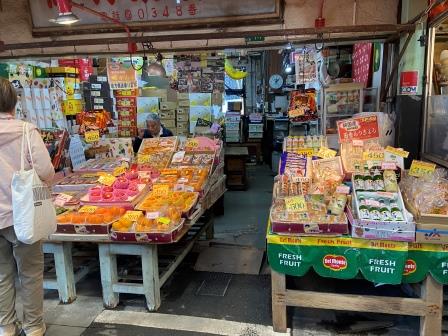
Not surprisingly, the fish stalls had many of the same sort of products as Shimonoseki, with whale and fugu on offer alongside the local speciality “nukamisodaki“, fish (mackerel or sardines) simmered in rice bran (nuka) soy sauce and mirin.
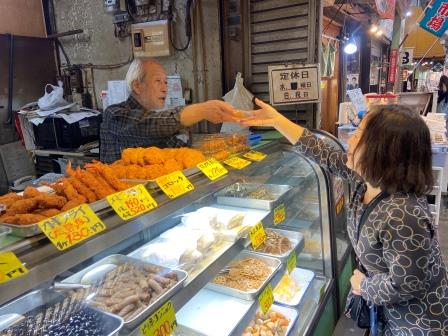
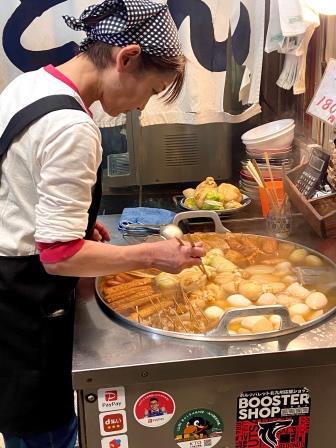
There were lunch time queues for some of the hot take away offerings like oden, boiled vegetables and fishcakes in broth. The market’s croquettes are justifiably famous and we made sure we tested a few of the different flavours.
Monorail
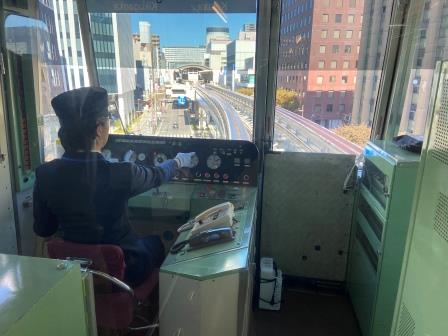
Tanga has its own station on the Kitakyushu Monorail. Opened in 1985 the monorail has a single route which heads eight km south to Kikugaoka.
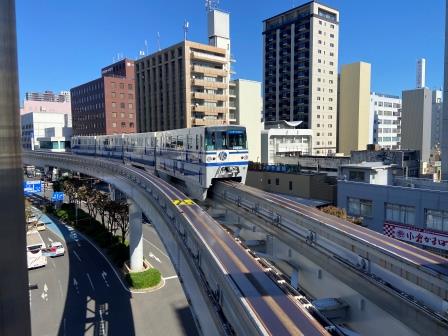
We boarded at Tanga and rode the short distance to the terminus at Kokura, the second busiest railway station (after Hakata) in Kyushu.
The Shin-Kanmon Tunnel
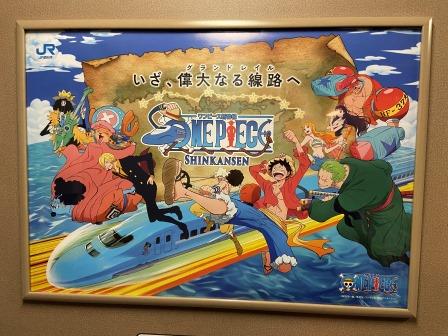
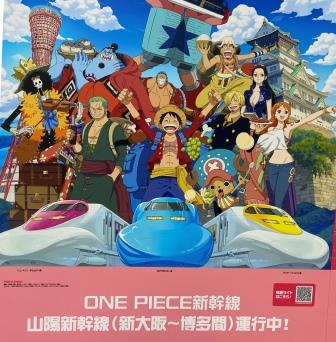
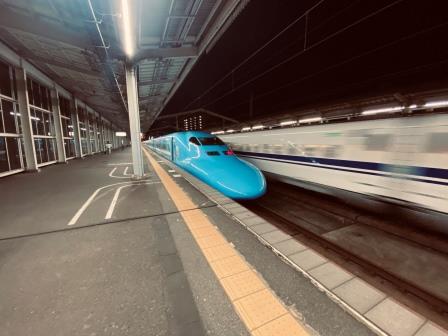
There was some excitement on the Shinkansen platform as our train approached from the Hakata direction. Our Kodama service was formed by one of the three “One Piece” Shinkansen sets. The trains are themed after the classic Japanese anime series about a group of pirates in search of the “One Piece” treasure of the title.
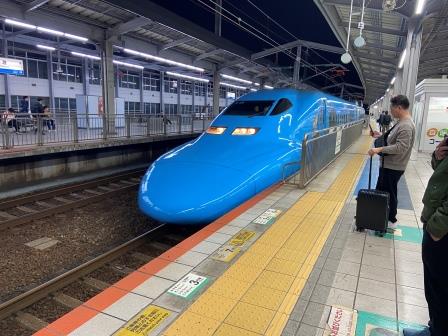
Two of the trains are named for characters in the series (originally based on a manga comic book and began back in 1999), but ours was the “Setouchi” which had a vibrant blue colour scheme designed to evoke the sea. Inside it was decorated in a pirate theme.
All this was rather appropriate for our short undersea journey. The 18.7km (11.6 mile) long Shin Kanmon tunnel began almost as soon as we left Kokura and lasted for almost the entire journey to Shin-Shimonoseki.
When it opened, as part of the Shin-Osaka to Hakata Sanyo Shinkansen line in March 1975, it was the longest railway tunnel in Japan. Like the rest of the Shinkansen system, it features a 1435mm, standard, track gauge and electrification at 25kV AC.
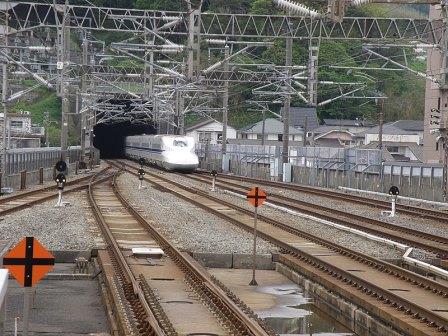
Most of the tunnel is under land and it curves around to the south of Moji to cross the Kanmon Straits just to the east of the road tunnel. In fact, the undersea section is only 880 metres, in contrast to that of the 1.1 km of the original rail tunnel. It took us just nine minutes to reach Shin-Shimonoseki.

The station has an hourly off peak service and many of the trains dwell in the platforms to be overtaken by faster ones. We watched as a Nozomi exited the tunnel travelling at close to the line speed of 300 km/h and thundered past the “Setouchi”, most of its passengers probably totally impervious to the fact they had just crossed the Kanmon Straits.
Reflections
I am lucky to have been able to spend a lot of time in this area in the past, but I feel there is still a lot more to see. At a time when parts of Japan, and especially Kyoto, are being overwhelmed by tourists, it is great to see places like this that are seemingly off the beaten track yet offer so much.
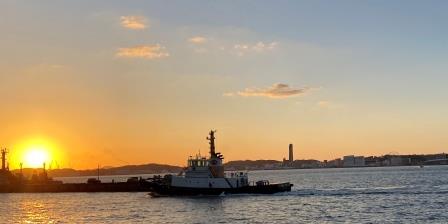
It occurs to me that a first-time visitor to Japan could easily spend a week in the Kanmon area and never get bored or run out of things to see. The whole ‘Japan’ experience is here; everything from castles, temples and shrines to industrial heritage and beautiful ocean views. Not forgetting a whole lot of cheap sushi and maybe even a bowl of baked curry.

 Trains To Beyond
#/media/%E3%83%95%E3%82%A1%E3%82%A4%E3%83%AB:Draft_of_cross_Kammon_straight_traffic_ja.png)
#/media/%E3%83%95%E3%82%A1%E3%82%A4%E3%83%AB:Kammon_railway_tunnel_Shimonoseki_portal.jpg)

