Cafea
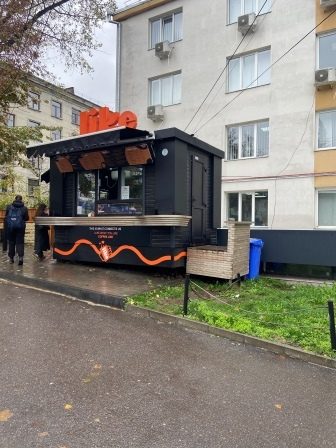
The next morning, it was raining hard and I planned a day mostly looking at some of the museums of Chisinau. First I took myself off to a coffee shop for my morning caffeine fix. I couldn’t believe how many independent coffee shops and kiosks there were; almost every corner had one. I wondered why.
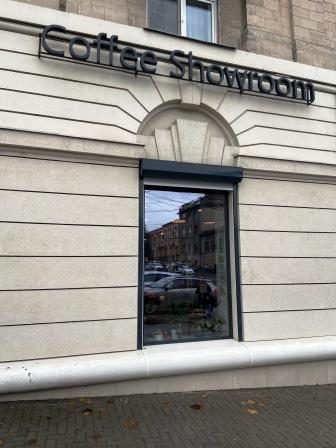
Apparently it is due to the large Moldovan diaspora working in the EU. Coffee culture was imported back home and quickly became a daily ritual.
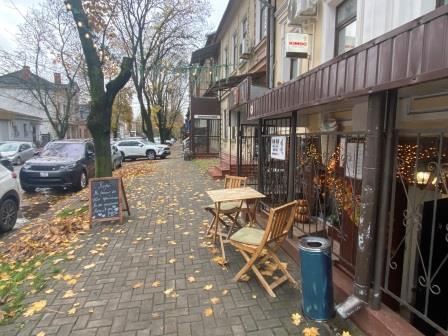
Going out for coffee is an affordable luxury compared to full restaurant dining. There did seem to be relatively few restaurants around by comparison.
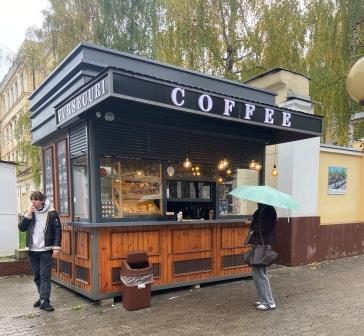
Opening a small takeaway coffee kiosk or even a small café obviously requires far less capital than launching restaurant, encouraging local entrepreneurs to open up on almost every block. The coffee I had tasted pretty good too.
Muzeul Regiei Transport Electric Chisinau
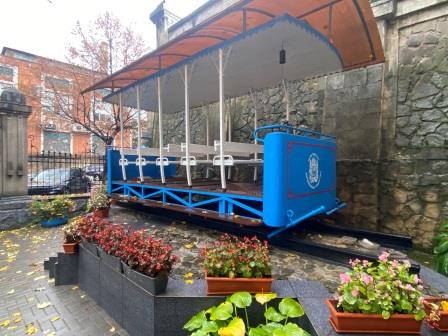
The first museum I decided to visit told the story of electric transport in the city. It was located just north of the centre and housed in a 3-story red brick building that was built by the Belgian company that first brought electric trams to the city before the First World War. There was an old horse drawn tramcar sitting in a garden outside.
The door was locked and it looked dark inside though and I was about to abandon my visit when I worked out that I needed to press the bell. On went the light and an elderly lady answered the door. She motioned that I needed to put plastic covers on my wet shoes to protect the floor and then led me upstairs. She explained that she spoke no English but that I was welcome to look around on my own.
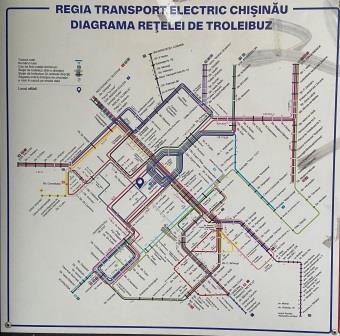
There were three or four rooms that told the story of the original tramway and then how in 1949, having been damaged in the war, was replaced by a trolley bus system. There were no explanations in English but it was easy enough to follow the story through network maps, historical photographs, and artefacts such as vintage ticket-punching devices. 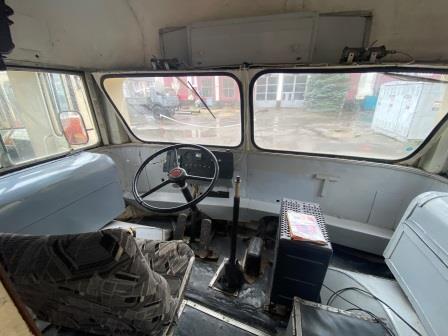
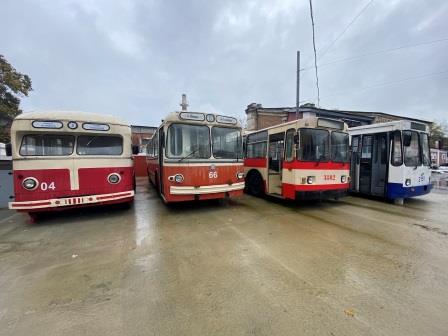
After I had spent a few minutes looking at this little collection, the lady led me out to another door and into a yard where four trolley bus vehicles were parked next to each other. She bade me farewell, pointing in the vague direction to an exit, closed the door behind her and left me to explore them on my own.
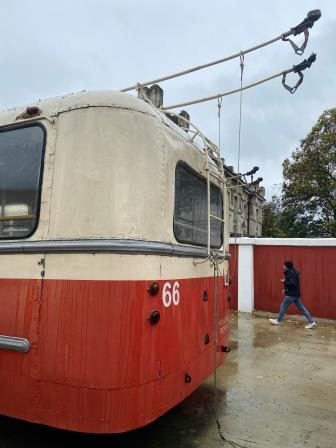
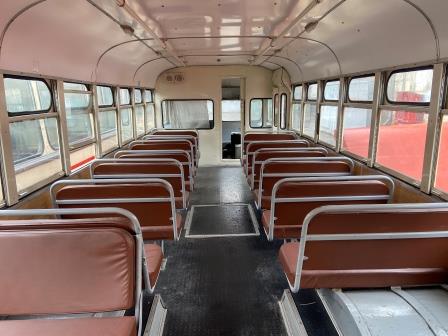
Here was one of the original 1949 models along side later versions from the 1960s, 1970s and 1980s. I spent a bit of time examining them and then when it was time to leave, I realised I was at the back of the bus depot itself. I struggled to find an exit and only eventually managed to leave by asking someone in one offices.
Troleibuz
Chisinau actually has one of the largest electric bus networks in Europe with over 435 vehicles in service on more than 30 routes.
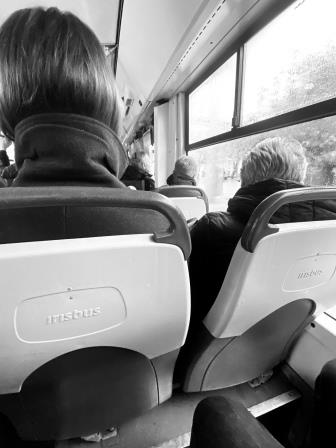
Keen to put my new knowledge to good use, I boarded one to take me back into the centre. The regular fare was 70 Lei, payable to a conductor.
Chisinau 2040
I got off the bus at the Mihai Eminescu Square. The square and the theatre next to it honour the 19th-century poet. It was obvious that the little square has undergone a lot of renovation. It was tastefully done with modern paving, decorative lighting, chess tables, and a small children’s playground.
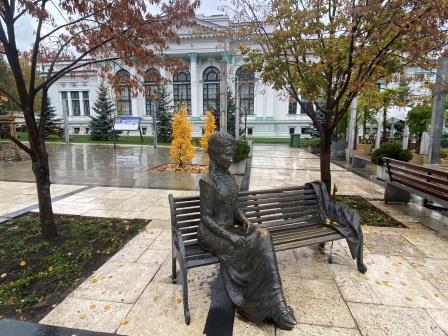
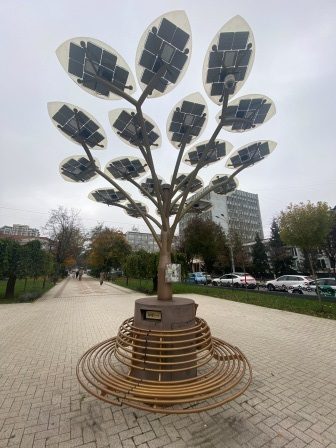
I saw a lot of projects like this on my walks around the city. I was particularly impressed with this sculpture of solar panels featuring a seating area to sit down and charge devices. It gave a positive impression of the city developing
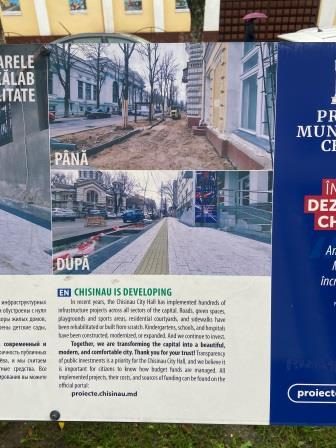
The Moldovan government has deployed €76.9 million into urban renewal projects across the city. I came a lot of poster boards explaining how they were improving things.
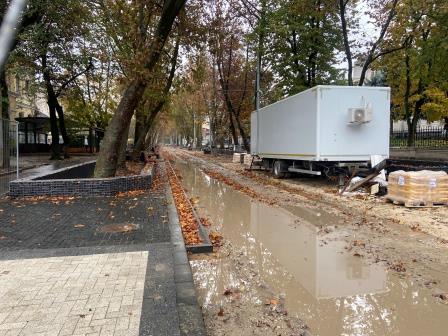
There was more evidence as I walked up the avenue towards the Moldovan history museum, The road had been dug up and they were relaying all the paving stones with lots of signboards and displays explaining the work.
Muzeul Național de Istorie a Moldovei
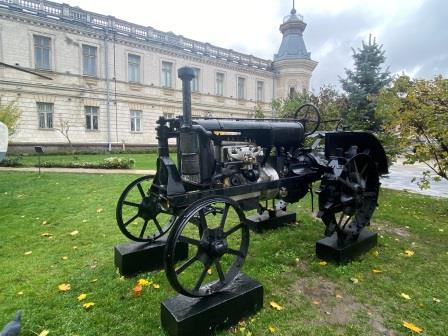
The Museum of Moldovan history was housed in a very grand 19th-century former boys’ school building. The collection contains over 345,000 artifacts and covers the history of the country from prehistoric settlements through to independence. In the grounds before I went in, I took time to examine a few of the things they had outside including a tractor and a helicopter.
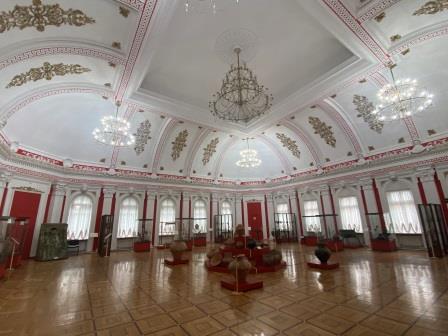
Inside, I spent more than an hour moving between more than 10 exhibition galleries, including the ornate Red Hall, Bronze Hall, and Blue Halls which tell the story of the territory that is now Moldova in chronological order.
The permanent exhibition traces life from the Paleolithic era, through Roman times, medieval Moldavia, and into the 20th century.
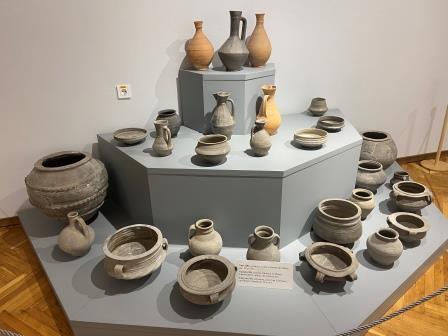
It is extremely well curated. Most of the explanations are available in English.
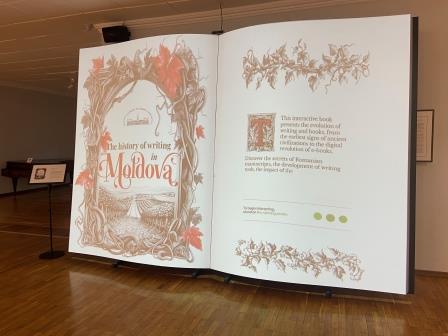
There are interactive displays on the history of writing in Moldova.
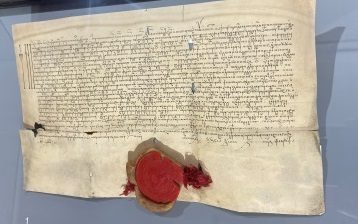
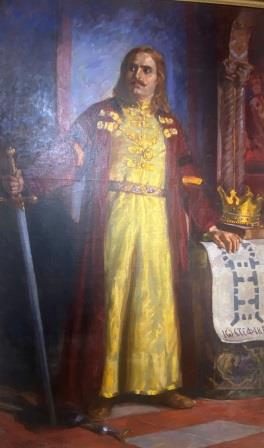
The story of Stephen the Great looms large.
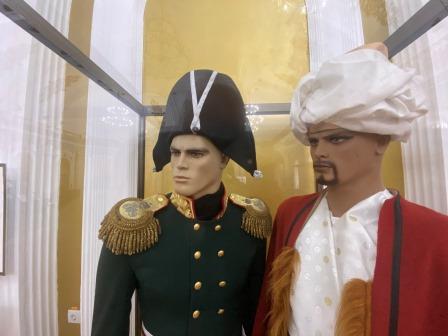
The jostling between the Ottoman and Russian empires as a prelude to the 19th Century.
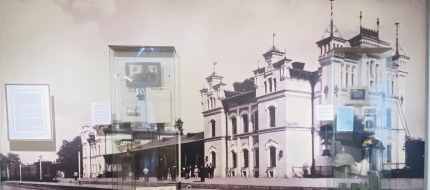
The coming of the railways…
and an insight into life in the country during the 19th Century.
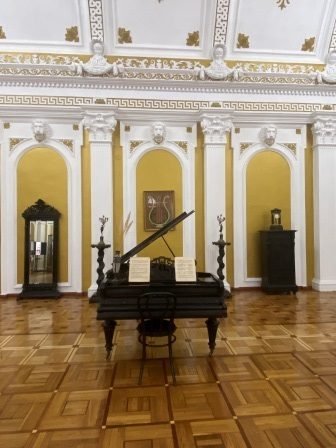
20th Century
The story continued with the First World War
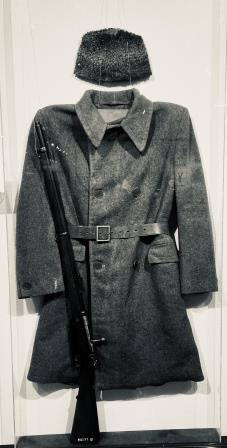
and the move to unite Moldova into Romania thereafter.
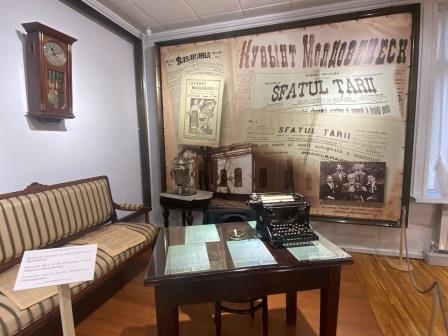
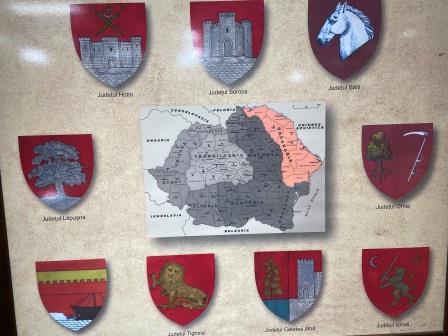
The life of Moldova as a Romanian province between 1919 and 1940. Following the collapse of the Russian Empire, Bessarabia’s parliament voted to unite with Romania on 9 April 1918. It remained a Romanian province until 28 June 1940,
War and After
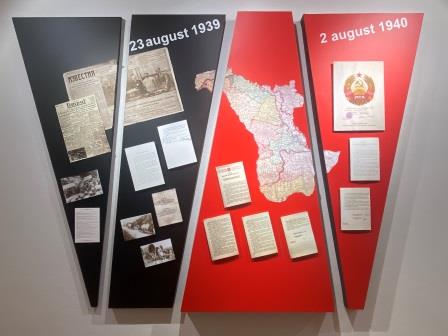
The 23rd August 1939 is an auspicious date in Moldova. It was the day the Molotov–Ribbentrop Pact was signed. The agreement between the USSR and Nazi Germany contained a secret clause allowing the Soviet Union to annex Moldova. This was carried out on 2nd August 1940 and the territory remained part of the country until invasion by Nazi Germany a year later.
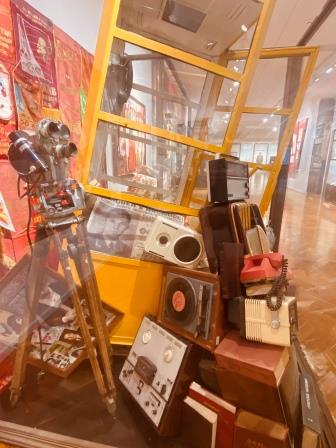
After the war, the Modlovan Socialist Republic was adopted formally into the USSR. The museum deals with this period with a collection of different objects such as as varied as a phone box and a record player.
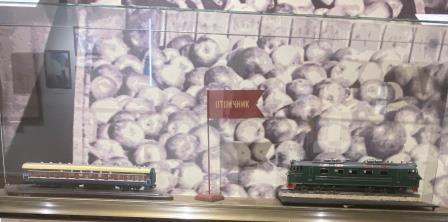
There are also examples of soviet railway technology on display too.
Independence
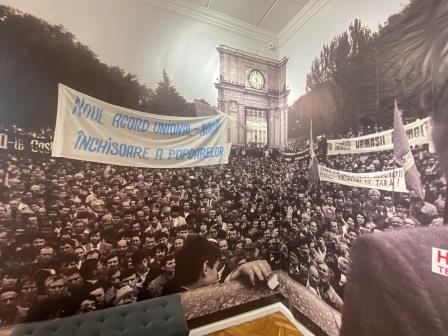
The story was brought up to date with exhibits detailing the country’s independence after 1989. With the new flag and
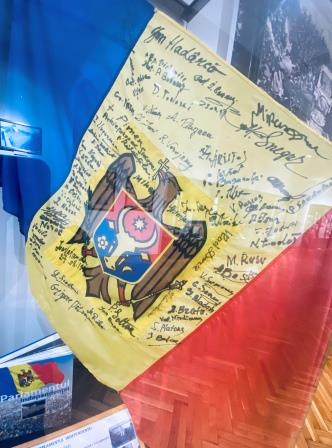
Photographs of independence movement
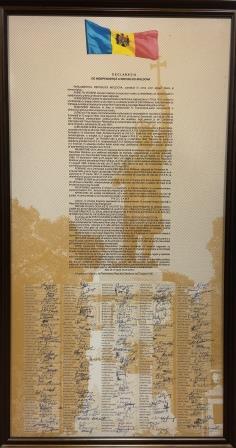
And the constitution of the country, suitably printed on paper adorned with the figure of Stephen the Great.
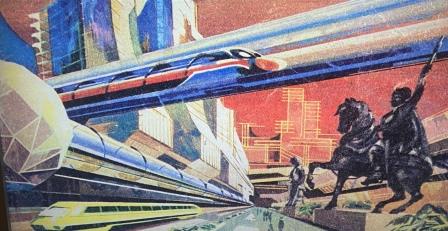
Remembering
Not part of the main exhibition but fascinating nonetheless.
Turnul de apă din Chișinău
By the time I came out of the history museum it had stopped raining. I walked over to the old water tower, now the museum of the city of Chisinau, and paid the entrance fee to climb to the top.
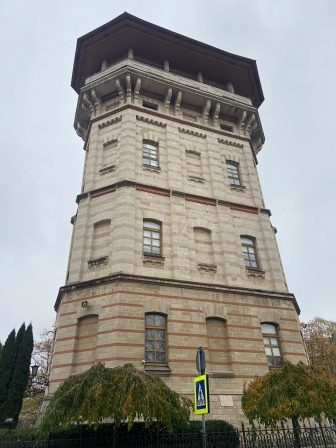
The tower was completed in 1888 and opened in 1892. It was built at the highest point of the city and it was commissioned at the same time as Chisinau got its first municipal water supply and sewage network.
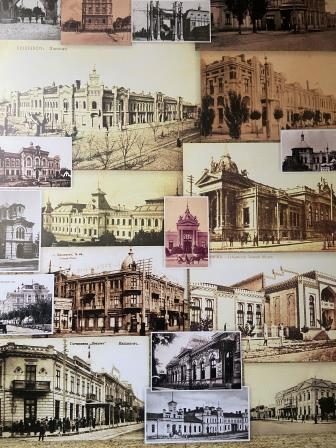
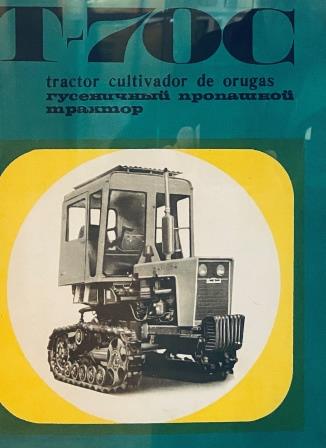
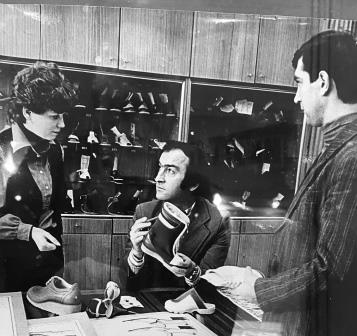
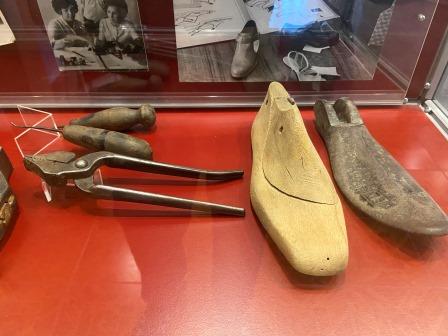
Built from local limestone and brick, it stands 27 metres tall. Inside there was an old preserved iron spiral staircase alongside a modern lift. I climbed the staircase stopping at each floor which contained a small exhibition of artefacts starting with a 4th-century AD clay vessel, telling the story of the city.
The top floor of the water tower had a viewing platform offering a sweeping panoramic view over the capital’s skyline and the parks nearby.
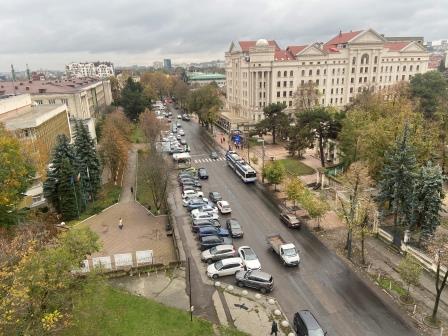
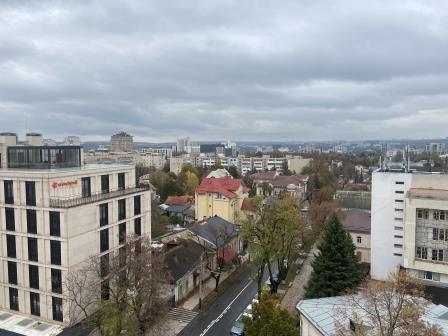
Centrul de Istorie și Cultură Militară
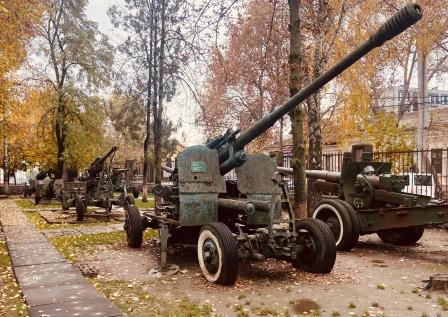
Finally, on my way back towards the station I took in the military museum. The permanent exhibition traces conflicts from ancient Daco-Roman times, through the medieval eras, the Russo-Turkish wars, both World Wars, the Soviet era and beyond.
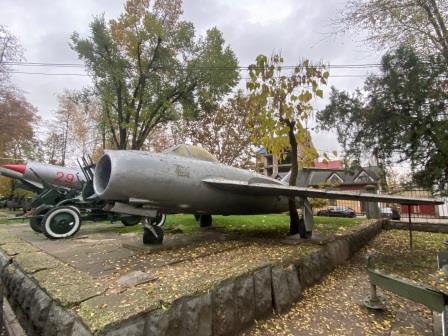
The courtyard featured a large display of military hardware, including Soviet-era tanks. armoured personnel carriers, artillery pieces, rocket launchers, and a couple of MiG fighter jets.
Pork Tokana
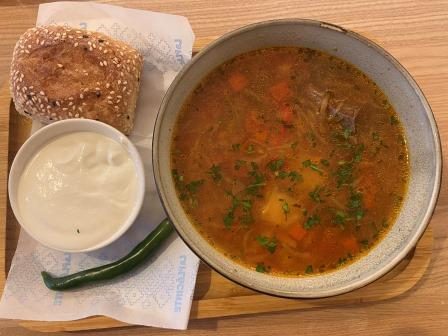
My second meal at Picante was as good as my first. I got a chicken noodle soup along with sour cream, a hot green pepper and some local bread.
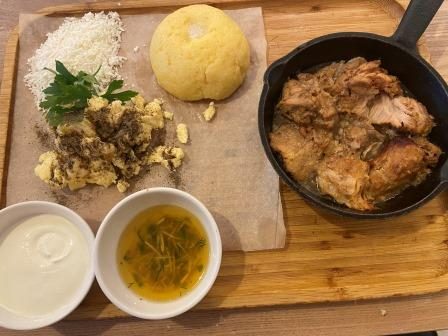
I followed it with Pork Tokana, a local stew, which is traditionally served with mămăligă (polenta). There was some scrambled egg and cheese alongside it too. The whole thing was quite delicious and set me up well for the long train journey back to Romania.