A trip from Bengaluru to Mumbai in seven trains
Trains at a Glance
Indian Railways first published its ‘Trains At A Glance‘ guide back in 1977. It has appeared regularly ever since. The booklet summarises the times of all the important trains on the key routes of the country’s 70,000 km network.
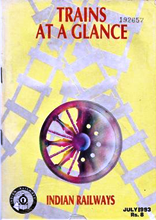
On my first trip to India in 1994 the little timetable proved invaluable for choosing which trains to reserve at the station booking office. I still have the 1993 edition I purchased for that trip; the slightly torn cover is an indication of how well it was used.
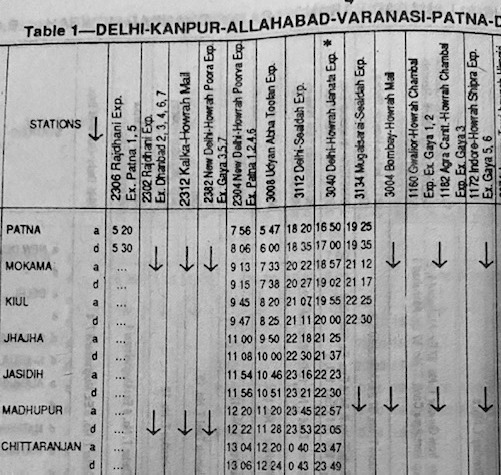
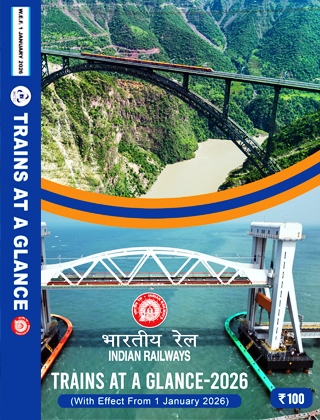
In early 2026 I planned a return trip to India for the first time in thirty two years. This time I would arrive with e-tickets already on my iPhone, having made all of my train reservations online beforehand. I still managed to get an online copy of Trains At A Glance. I figured that comparing the two booklets might give me an insight into how much of the railway network had changed since my last visit.
Thirty Years of Progress
I was also fascinated to try to see how India itself had been transformed. The 1994 trip had centered on Delhi and mostly covered the northern part of the country; in 2026 I would spend the first fourteen days of my three weeks in the south.
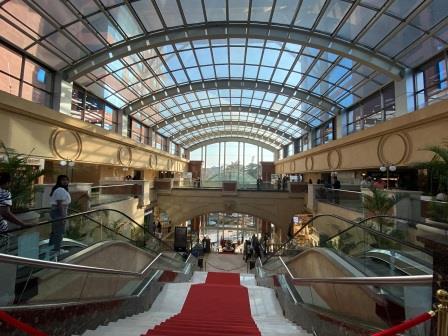
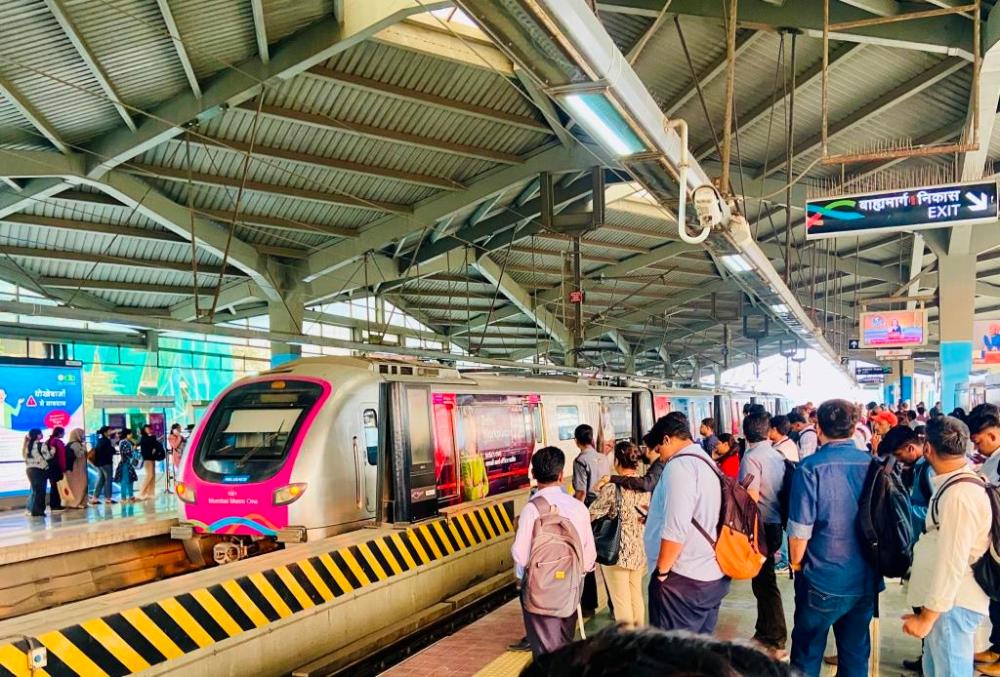
However, as both visits included time in Mumbai, I figured that would be one of the best places to at least try to understand the impact of some of the changes that have taken place over three decades.
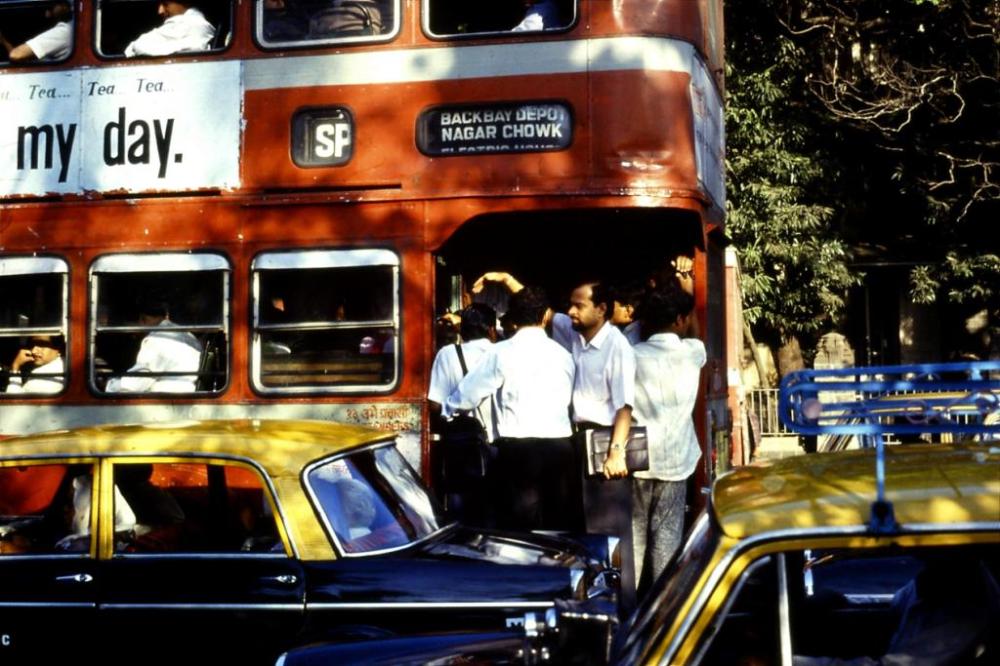
A bit of basic research suggested that the liberalisation reforms, only just starting back in 1994, have led to reduced protectionism, more foreign investment and higher growth rates. The software industry has boomed; the country is now a major hub for technology. India is now significantly richer but disparities in wealth remain.
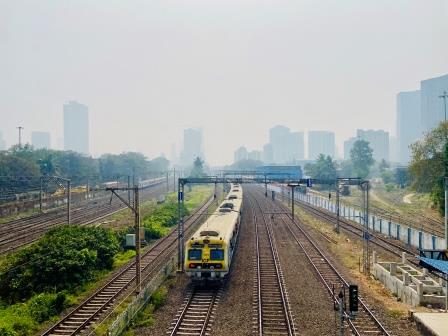
Meanwhile, a growing middle class has fuelled consumer growth, whilst significant urbanisation has meant new metro systems, malls, road construction and airports but also pollution and waste management issues. Mobile phones are widespread and mobility has increased with the growth of domestic tourism and, perhaps most siginificant for the railways, the emergance of low-cost air carriers.
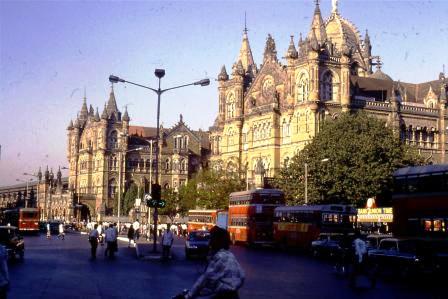
The Fourth Largest System
The Indian Railway system, the fourth largest in the world by route kilometres, transports more than 23 million passengers and 3 million tons of freight daily. That passenger figure is around double what it was thirty years ago; the freight statistic means that India is now ahead of the USA and Russia (1st and 3rd largest networks) and second only to China (2nd largest network) in the volume of cargo being moved.
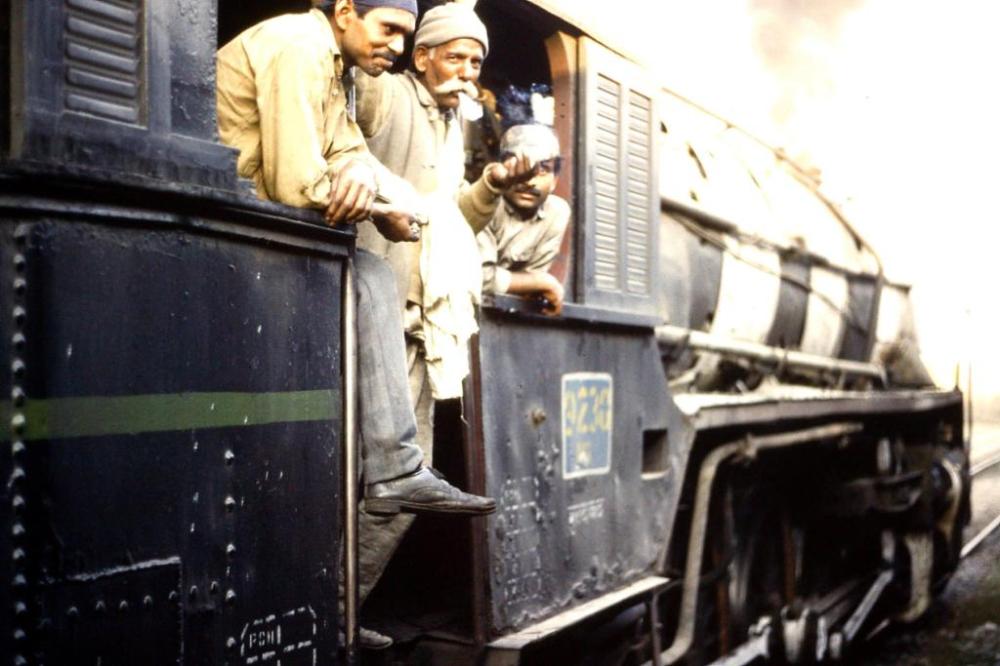
It is often said that the Indian railway network is connected with the soul and the image of the country in a way that is not really seen anywhere else. Yet whilst the figures above tell one story, there is no denying that as overall mobility increases, the railway share is declining. In 1947 railways represented 80% of all passenger traffic; in 2025 their share was less than 20%. Even as late as the early 1990s around 80% of freight was on the rails, now it is around 30%.
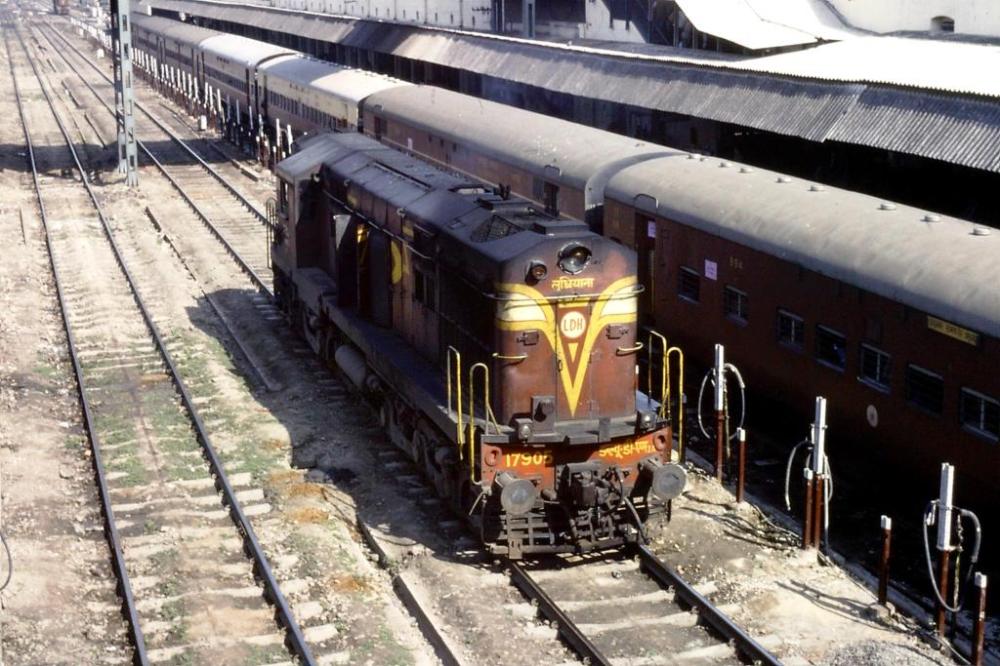
This relative decline notwithstanding, the last thirty years has seen a lot of investment in Indian Railways and resulted in many changes. Although back in 1994 the major trunk routes were already wired, the process of electrification has been accelerated in recent years to, astonishingly, cover almost 99% of the system.
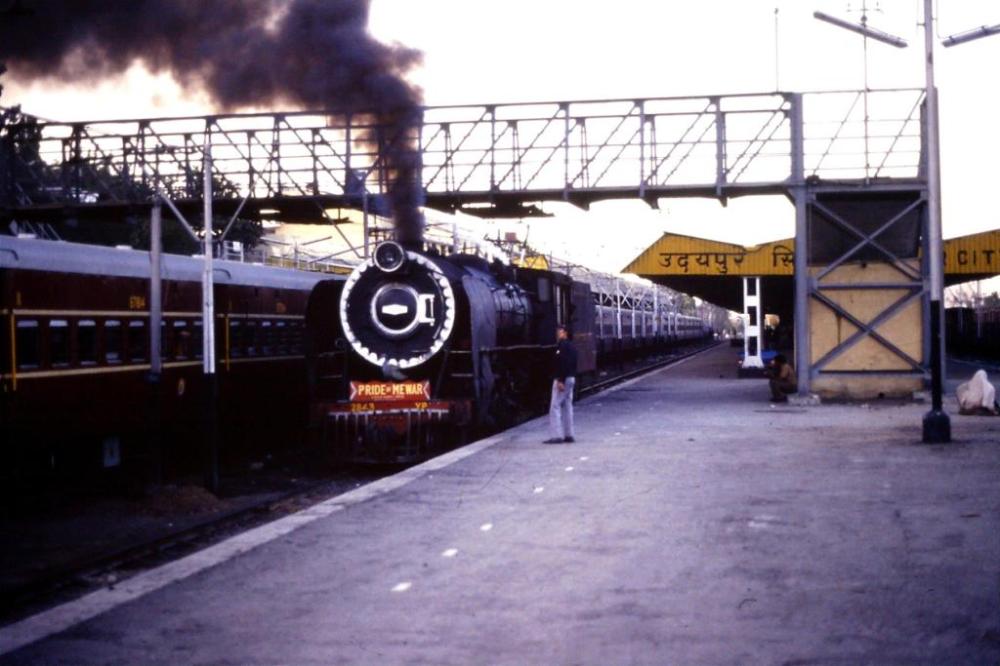
Almost as dramatic as the switch to electricity has been the conversion of the metre gauge (1000mm) lines to broad gauge (1676mm). In 1994, 33% of the network was comprised of the narrower system, including much of Rajasthan which I visited. After decades of investment into the “unigauge” project, today that figure is less than 2%.
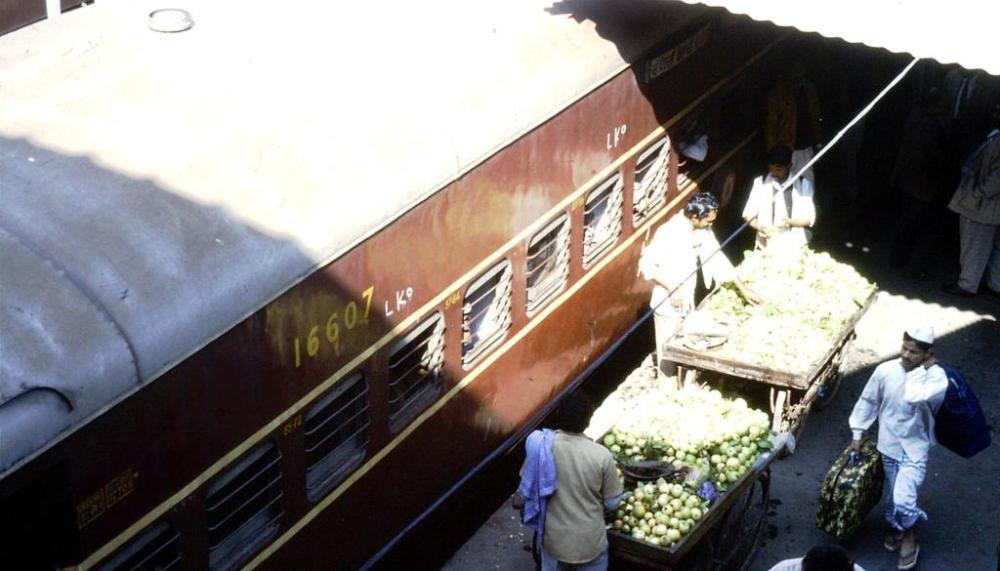
Meanwhile, several sections of single track have been doubled and new railways built to remote areas, not least of which is the brand new ‘Konkan Railway’ which was completed in 1998 and stretches for around 700 km along the west coast linking Mumbai to Goa. Much of the network has also been equipped with more modern signalling systems.
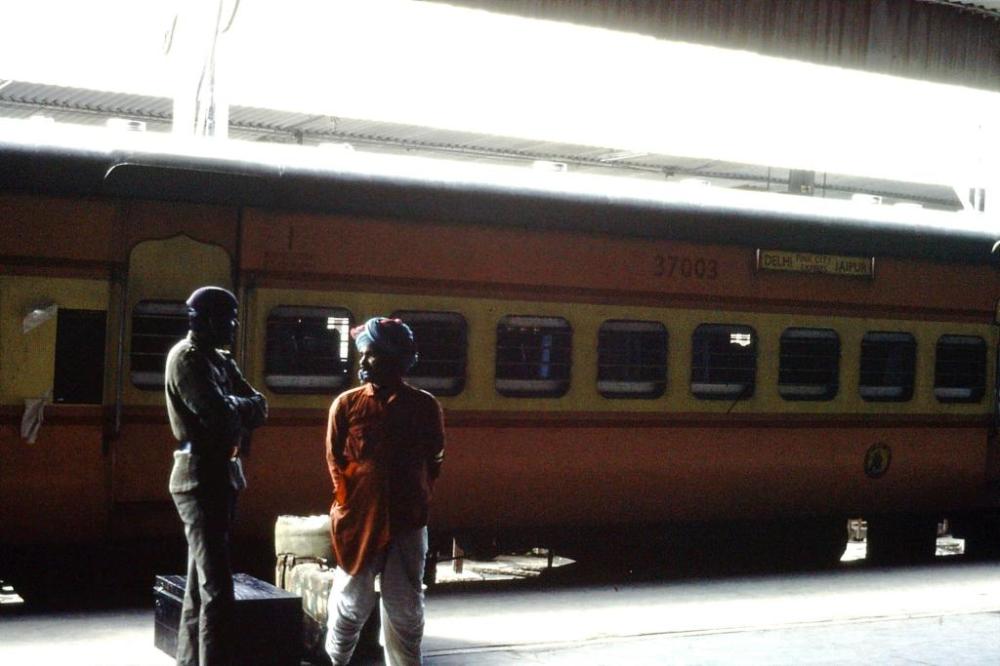
New rolling stock has been introduced across the network. LHB (Linke-Hofmann-Busch) coaches are German-designed but built in India. They are more comfortable and safer and are gradually replacing the old Integrated Coach Factory (ICF) carriages that were found everywhere in 1994. New 180 km/h capable Vande Bharat (Salute to India) electric multiple units have also been introduced on key daytime services and are about to be extended to sleepers.
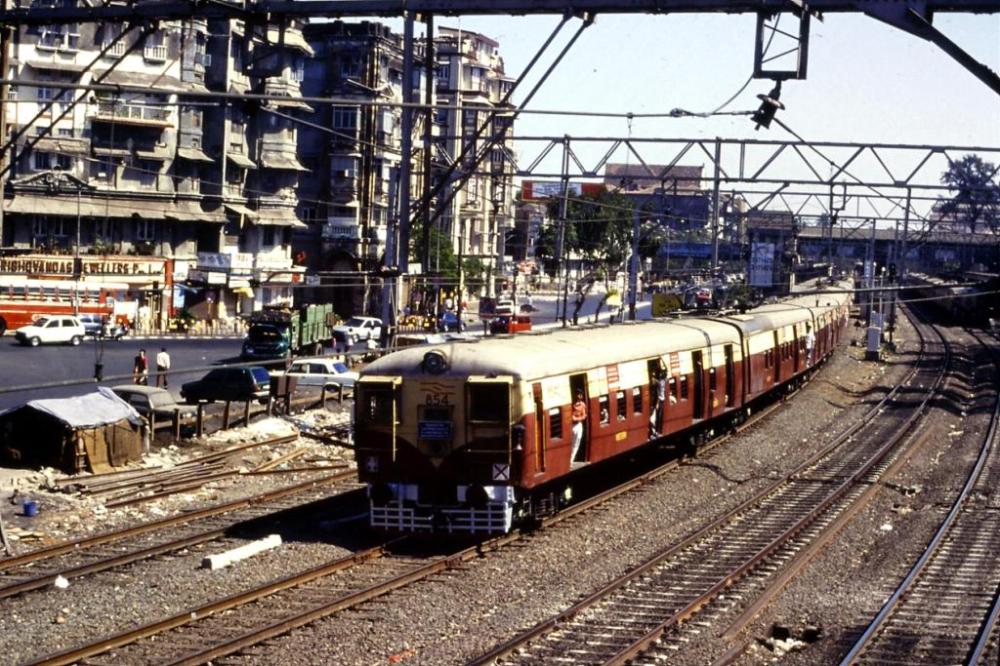
Not least amongst the many improvements has been the introduction in 2002 of computerised booking. Back in 1994 things were still based around typewritten charts displayed on carriages. Now e-tickets with barcodes, all reservable online, are the norm.
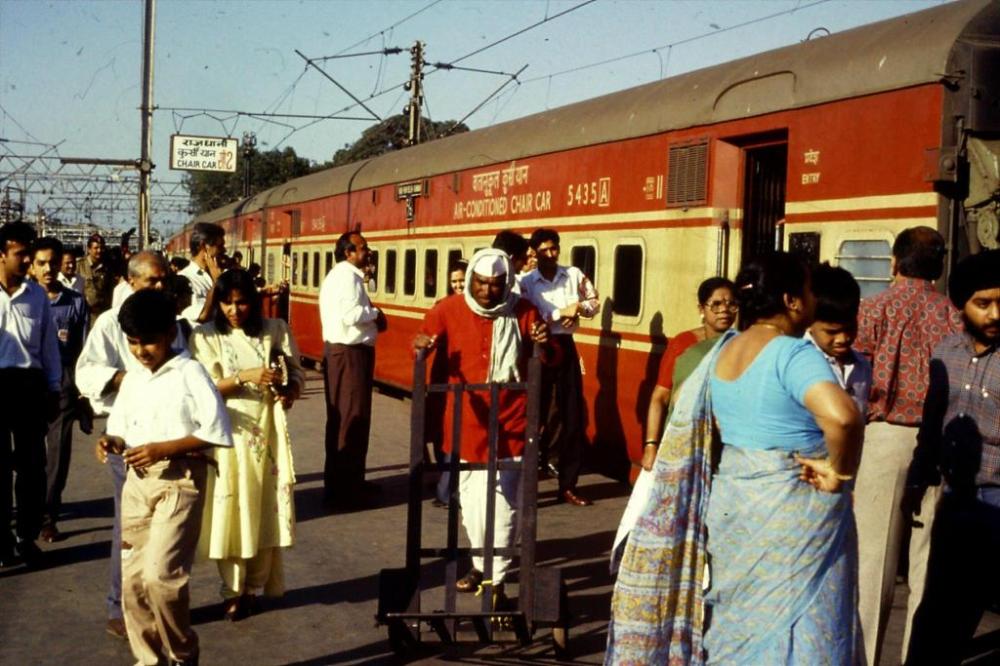
Back in 1994, faster trains such as the Shatabdi (Century) and Rajdhani (Capital) were already operating. They have been speeded up since, with the Mumbai to New Delhi transit time having come down from seventeen hours to fifteen and a half, for example.
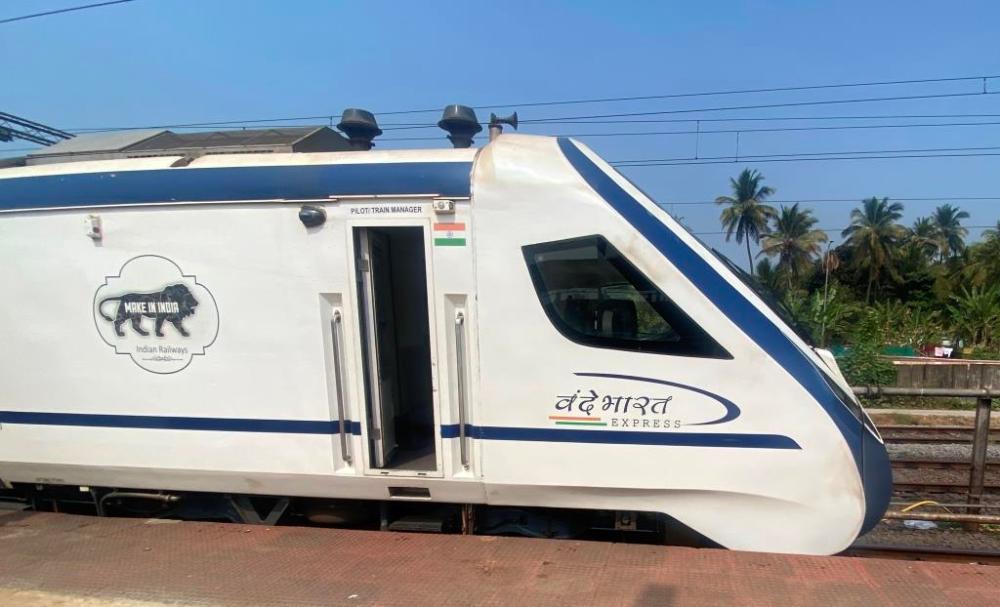
Yet, speed is possibly one area where a lot more progress needs to be made. In most places track condition limits trains to 130 km/h or less. Some end to end journey times have not shown much improvement in the last few decades.
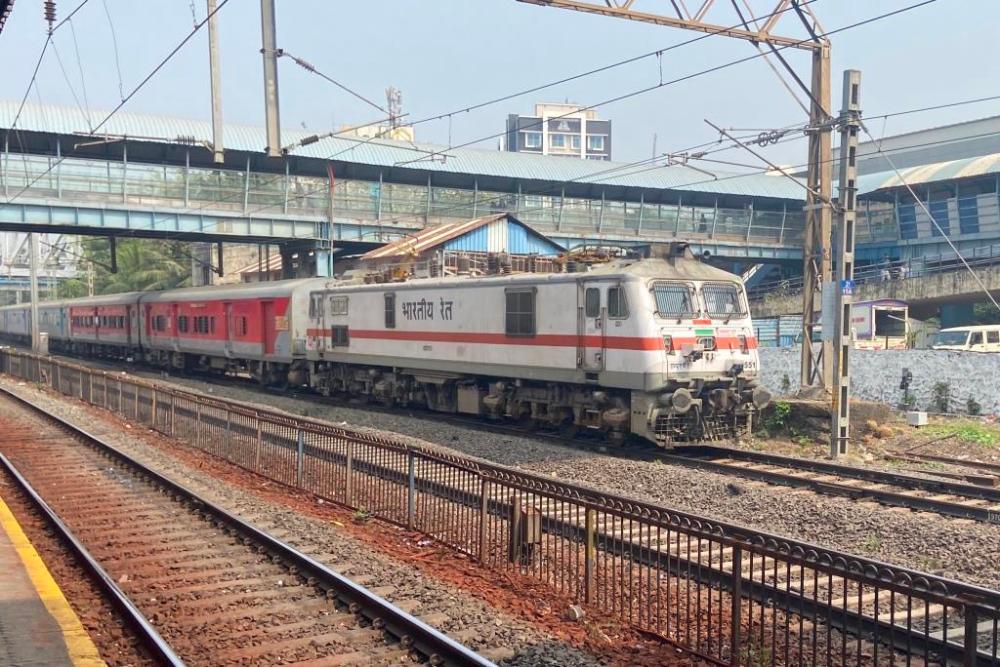
Nevertheless, things are certainly moving in the right direction. New dedicated freight corridors (almost 3,000 km completed) are having an impact on recovering rail’s share of cargo traffic. New passenger lines are still being constructed and the first section of the new ‘Bullet Train’, which will eventually link Mumbai with Ahmedabad, is scheduled for opening next year.
The 2026 Plan
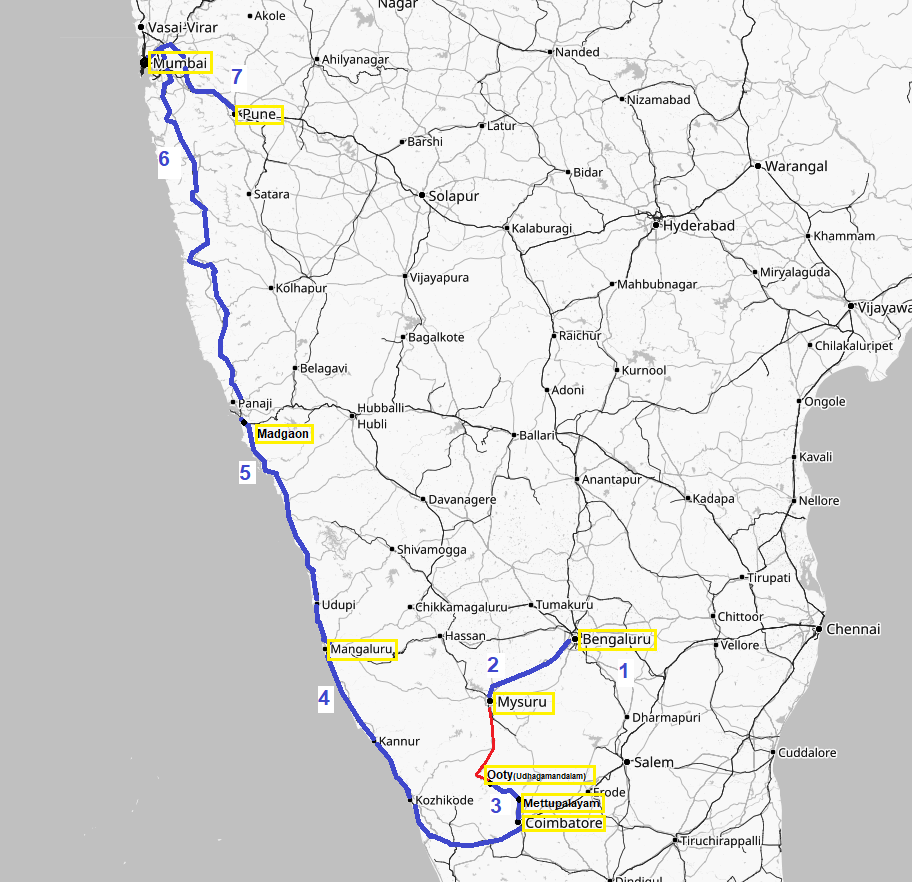
In mid-January 2026 I would fly to Bengaluru (1). After a few days wandering around the city, I would catch the train to Mysuru (2) and during my stay visit the railway museum there. A few days later I planned to travel on the Nilgiri Mountain Railway (3) before heading to Coimbatore Junction to board an express to Mangaluru (4). I would then make my way up the coast on the Konkan Railway first to Madgaon, Goa (5) and then on to Mumbai (6). My final train would be the Deccan Express from Pune (7).
My Trains at a Glance
All of the trains I took are listed below.
A post on each journey will appear over the next few weeks starting with #12639 – Brindavan Express (in Bengaluru)
Eventually the posts will disappear and all the journeys will be accessible from links here.
Each section will be linked to the next, so the whole trip can be followed from the first part.
A separate post will cover my stay in Mumbai.
1) #12639 – Brindavan Express (in Bengaluru)
2) #12007 – Shatabdi Express (to Mysuru)
3) #06172 (Nilgiri Mountain Railway)
4) #16565 – Express (from Coimbatore)
5) #20646 – Vande Bharat (from Mangaluru)
6) #10104 – Mandovi Express (from Madgaon, Goa)
7) #11008 – Deccan Express (from Pune)

 Trains To Beyond