Ooty to Mettupalayam
Having arrived from Mysore by bus, I stayed in Ooty for two nights. As well as exploring the old hill station, I made a day trip to nearby Coonoor. On my third morning I travelled on the Nilgiri Mountain Railway to its lower terminus at Mettupalayam.
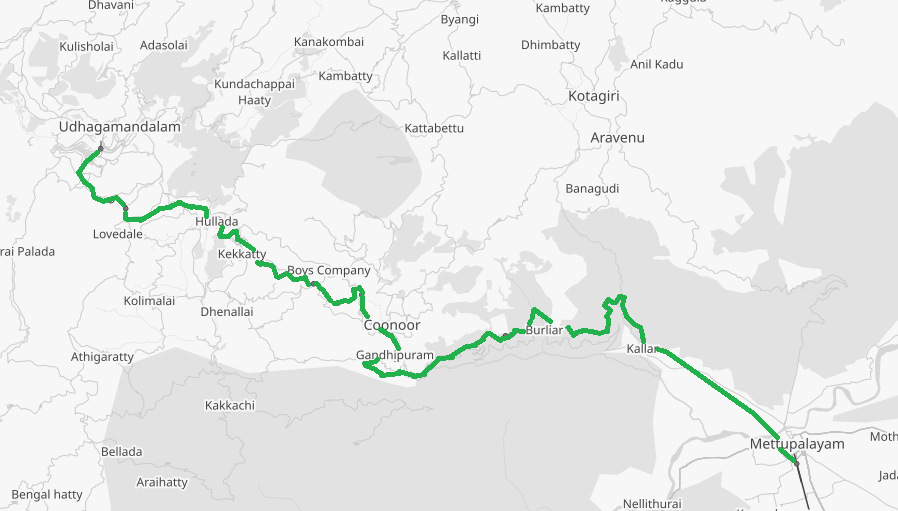
Ooty
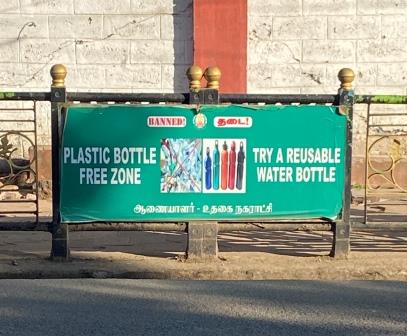
There were announcements in the bus station to the effect that plastic bottles were banned in the Nilgiri district. There were signs everywhere too. One poster had a picture of Ghandi with the message, “Protect Nilgiris Beauty – Say no to plastic !”
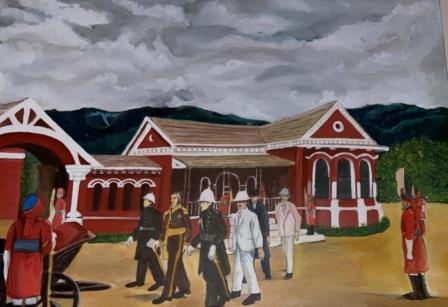
The history of Udagamandalam (originally Ootacamund or Ooty) as a hill station goes back to 1818 when a British survey concluded that the area had the potential to serve as a summer retreat. Construction of a road was begun in 1823 and it reached Coonoor in 1830. The town became a municipality in 1866. Today the population is around 90,000.
It was a fair walk to my hotel. I set out along Commercial Road. I passed restaurants and small travel agencies offering tours of the area. Everything seemed set up for the domestic tourist.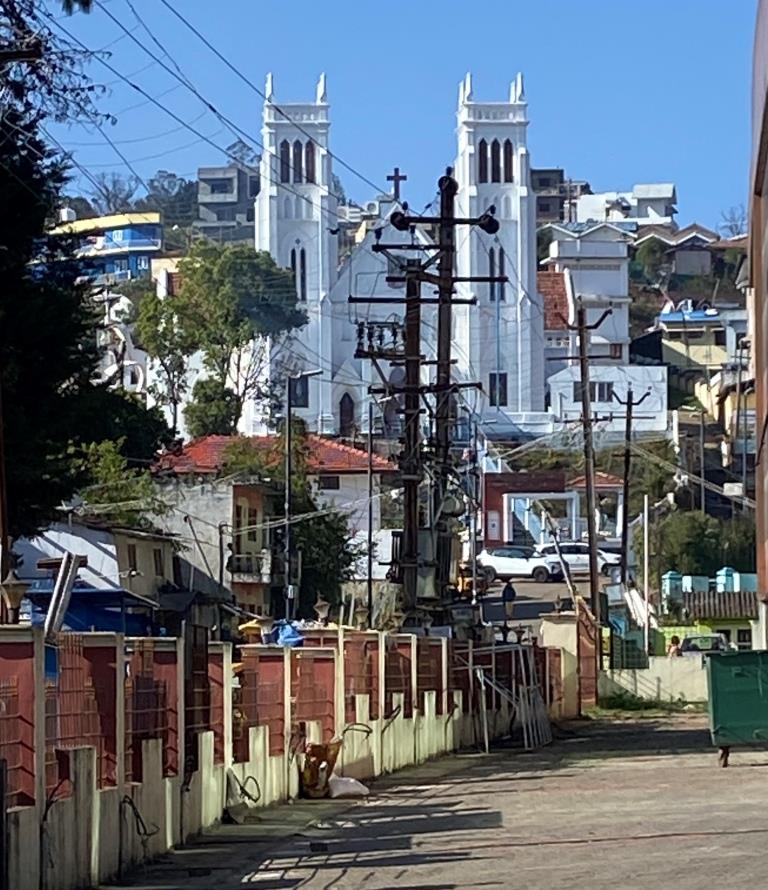
Ooty was a little scruffier than I had been expecting but it was not quite as cold as I thought it would be. At 14:00 the temperature was maybe 25 degrees or so, in the sun it felt hotter.
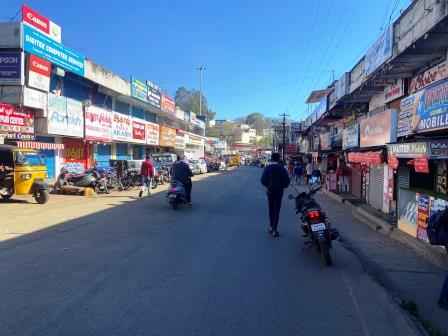
I found the Kurinji Residency in a little lane off the main drag, next to the quaintly named cinema, “Ganapathy Talkies”. The hotel manager summoned an old lady who showed me to the room and provided me with a jug of drinking water in a metal container. There was no coffee machine.
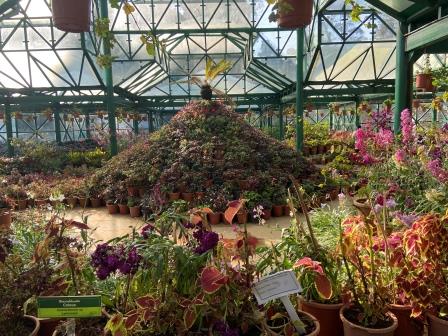
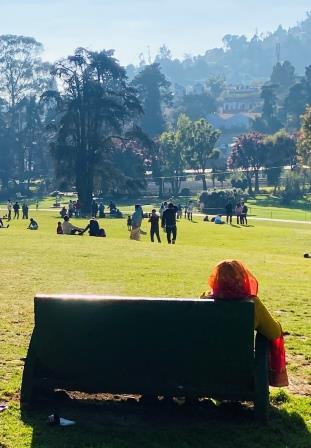
I took myself off to the Botanical Gardens, one of the highlights of the town. The entry fee was 100 rupees and it seemed busy with domestic tourists.
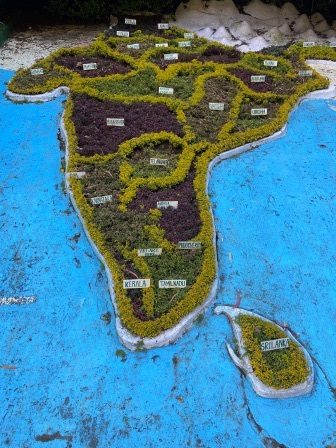
I wandered around the conservatories, the Lower Garden and up towards the Italian Garden. I stopped to admire a map of all the Indian states created from flowers.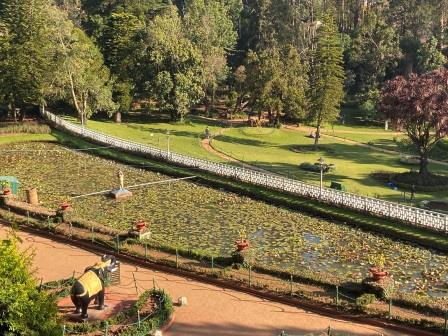
There was a little café and I got myself a coffee and a bag of Ribbon Murukku to snack on as I walked around.
A couple of kilometres away was Stone House. The first bungalow in Ooty was built in 1822 by John Sullivan, the British Collector of Coimbatore who founded the Ooty settlement.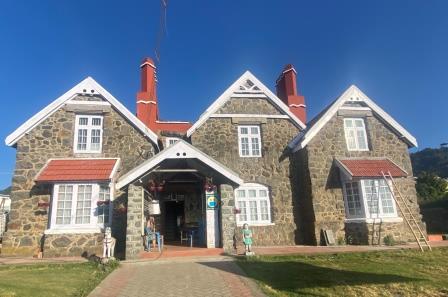
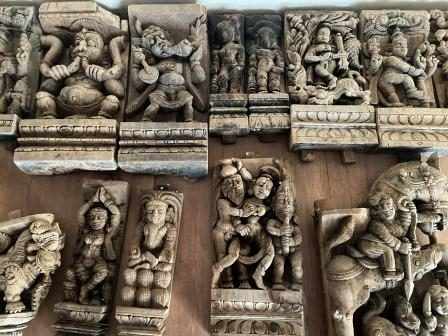
Constructed with stone, it was the first European-style residence in the region. It currently serves as a museum. Inside there was a fascinating display centred on the Toda people. I learned that a lot of their artefacts were being displayed at museums abroad including the British Museum in London.
The idea of Ooty as a hill station, originally serving as a sanitorium for sick troops, had been Sullivan’s. It became the first hill station in the British empire.
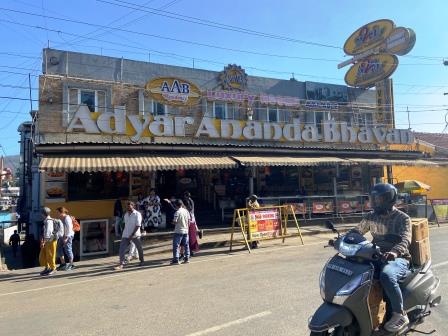
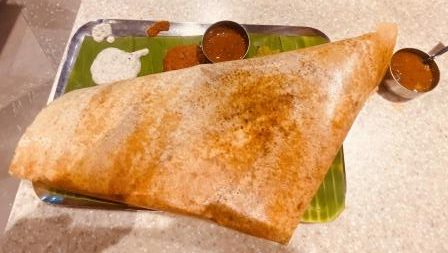
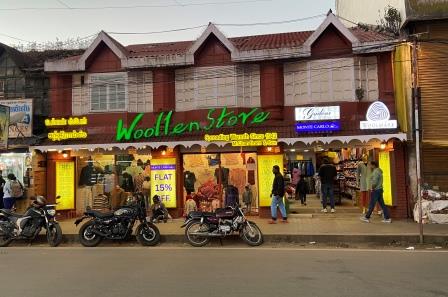
Back in the centre of Ooty, I got a tasty masala dosa at the Adyar Ananda Bhavan restaurant. When I came out it was already dark and the air had turned noticeably chilly. On the way back to the hotel, I passed Chandram & Son’s woollen store. A sign claimed they had been spreading warmth since 1942. Suddenly, I felt even colder.
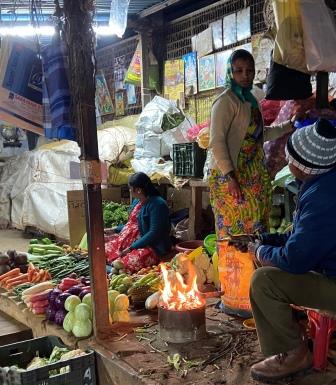
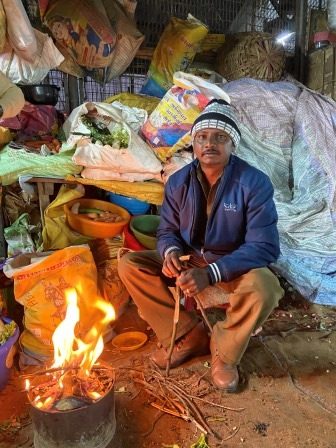
I also popped into the market. I stopped to get tomatoes at one stall and saw that they were keeping themselves warm with a little fire. From another little store I got some bread, a bag of bhel and a can of orangeade.
Back in the room, it was really freezing. In fact, the room never warmed up the whole two days I was there. I resorted to covering myself with the large blanket from the bed whilst sitting in the chair. I thought about nipping back to Chandram’s and getting another one. Through the wall I could hear the cinema. I started to lament the invention of the talkies, but the noise stopped well before 22:00. In the end, I slept soundly under my blanket.
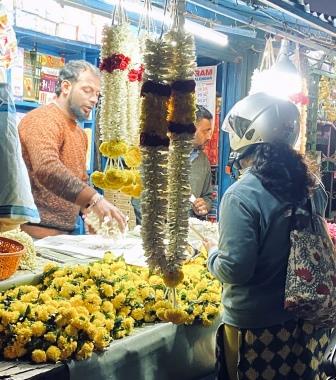
Coonoor Tea
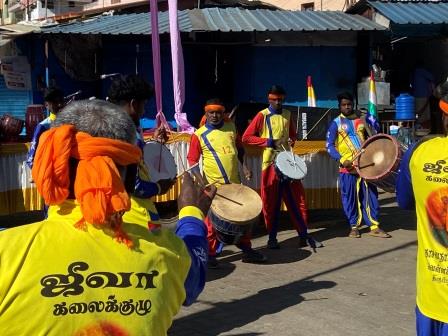
I woke up to the sound of an air raid siren at 06:00. I never worked out what it was for but I struggled to get back to sleep afterwards. I went for a series of coffees around the local area before walking back towards the bus station. At a Hindu temple I passed a group of people getting ready to set off on a procession. I stayed a while watching the drummers practicing.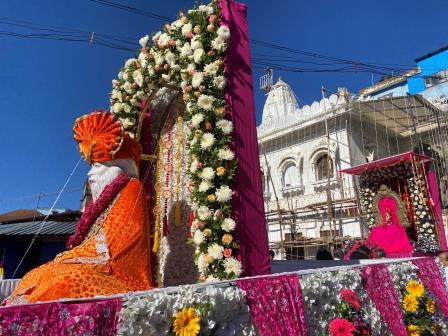
I had decided to visit Coonoor, about 20km away. It was a stop on the train I was catching the next day but was more easily reached by bus. I arrived at the bus station just as a service was leaving and the conductor beckoned me to jump on quick.
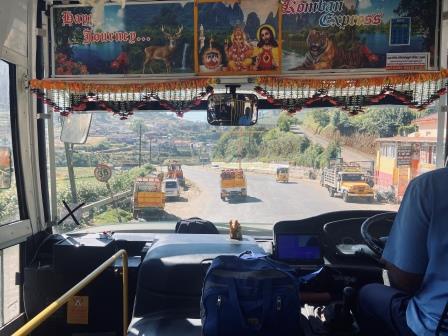
The route was interesting. We descended through a series of S bends and took around 40 minutes to reach Coonoor. The bus station dated from the 1960s but looked a bit older. The town itself felt quieter and greener than Ooty. It was warmer too. I had a walk around the little centre, taking in the market and then grabbed a lunch of biryani in a place near the market square.
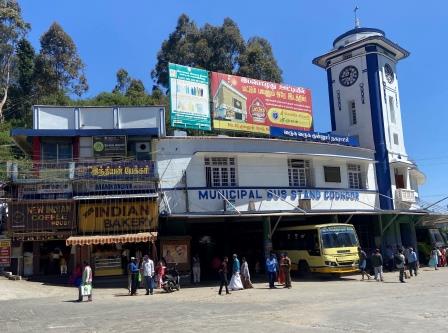
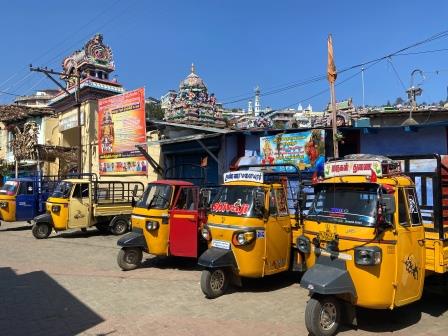
My first objective was to buy tea. Unfortunately, I don’t drink the stuff myself, but I had received requests from home to pick up some genuine “Nilgiri”. I jumped in an auto and we headed north from the centre to one of the many plantations surrounding Coonoor. I purchased a few packets and then had a walk around enjoying the stunning views. 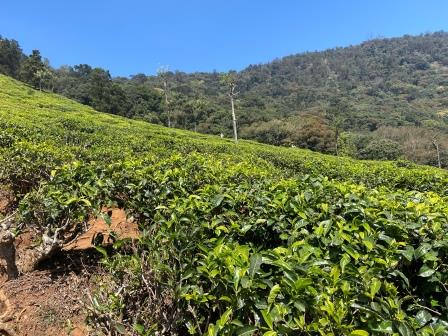
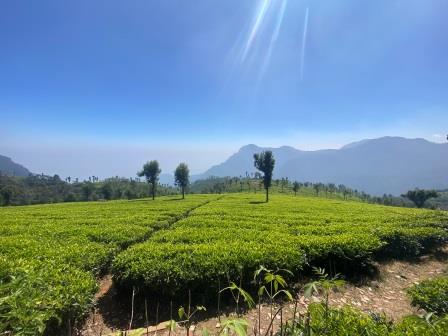
I read the signs at the side of the road and tried to learn something about what I was looking at. “Unlike many other regions, tea here is harvested year-round. Nilgiri is often termed Southern Darjeeling. its high elevation, misty climate, and rich soil combine to create unique flavours.”
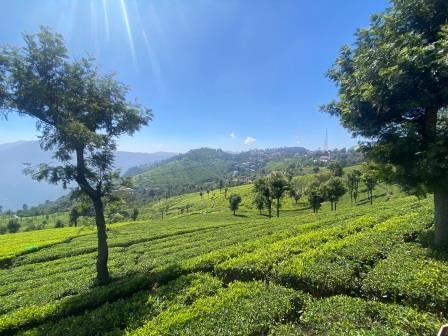
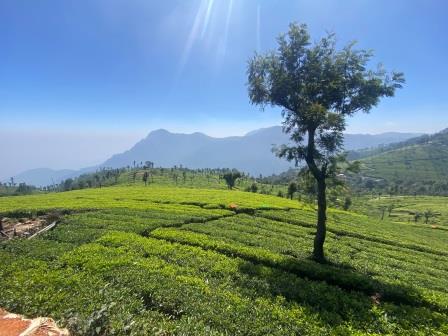
I got the auto to drive back through the town and then, on the other side of Coonoor, I visited the Glendale Estate; the factory was not open for viewing but the countryside surrounding it was outstanding.
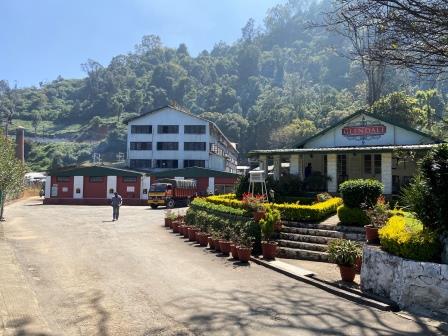
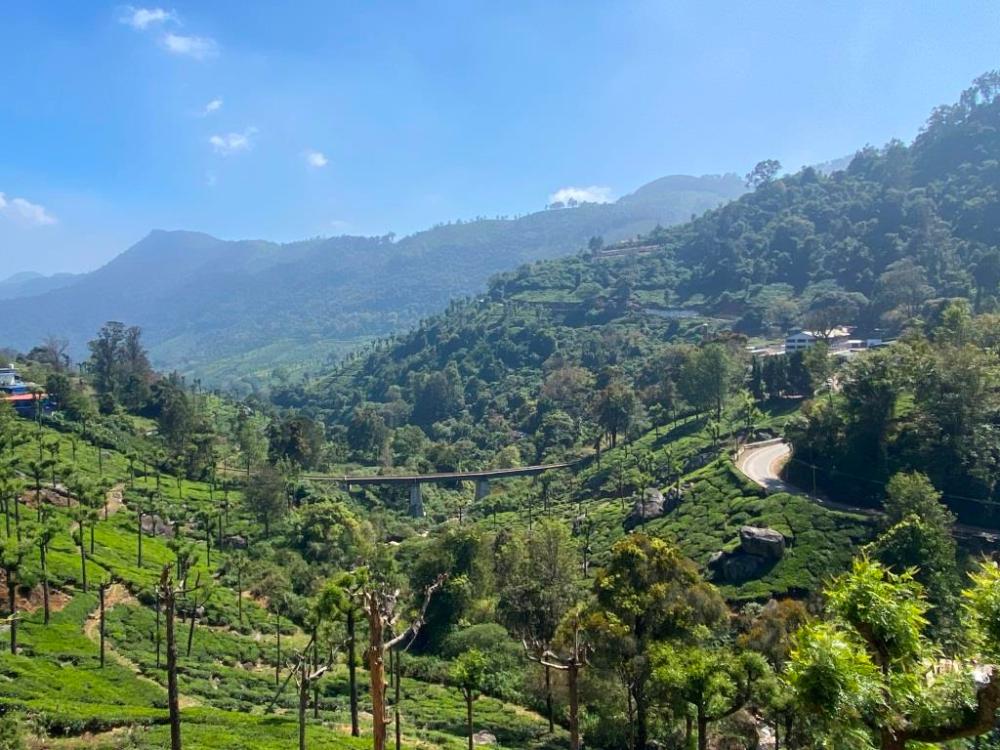
The Nilgiri Mountain Railway runs through the estate and has a station here. Standing overlooking the plantation, I had a magnificent view of the railway line as it emerged from a tunnel and crossed the valley and headed through the plantation.
Coonoor Steam Shed
With my tea safely purchased, I made my way towards Coonoor Railway Station to take my first look at the metre gauge Nilgiri Mountain Railway.
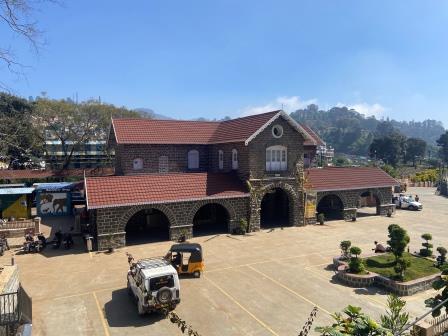
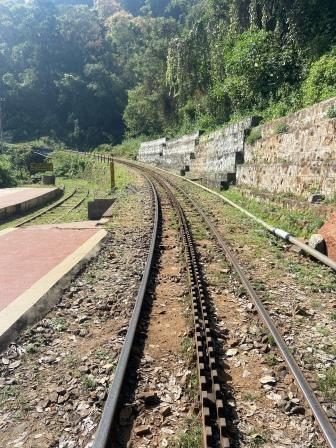
Coonoor was the main centre of the railway. The rack line began here and led most of the 28km (17 miles) down to Mettupalayam. That steep section was worked by the X Class steam locomotives based at Coonoor Steam Shed.
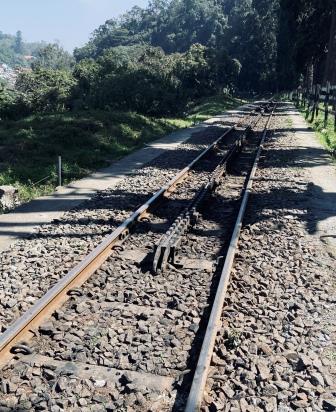
In the opposite direction the line continued back up to Ooty, a distance of around 19km (12 miles). That section was not as steep and was worked by the normal adhesion method using diesel locomotives, also based at Coonoor.
The first proposals for a mountain railway to Ooty were made back in 1854 but nothing was done until the metre gauge line was completed from Madras (Chennai) to Mettupalayam in 1873. In 1891 construction began on the initial challenging mountain section and in 1899 it was opened from Mettupalayam to Coonoor. The full line (46 km) as far as Ooty was completed in 1908.
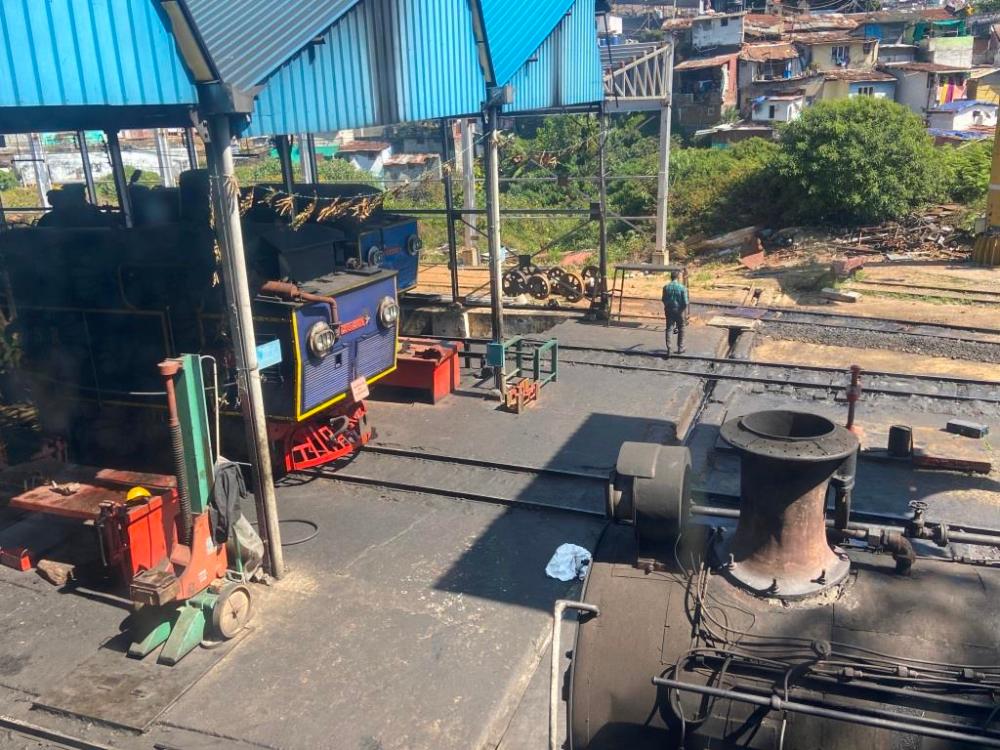
A little staircase led down from the station to the Steam Shed. There were signs there that said no visitors were allowed. I noticed there were people, obviously not workers, wandering around. I decided to join them. I went down the steps and into the shed area and began to walk around the yard.
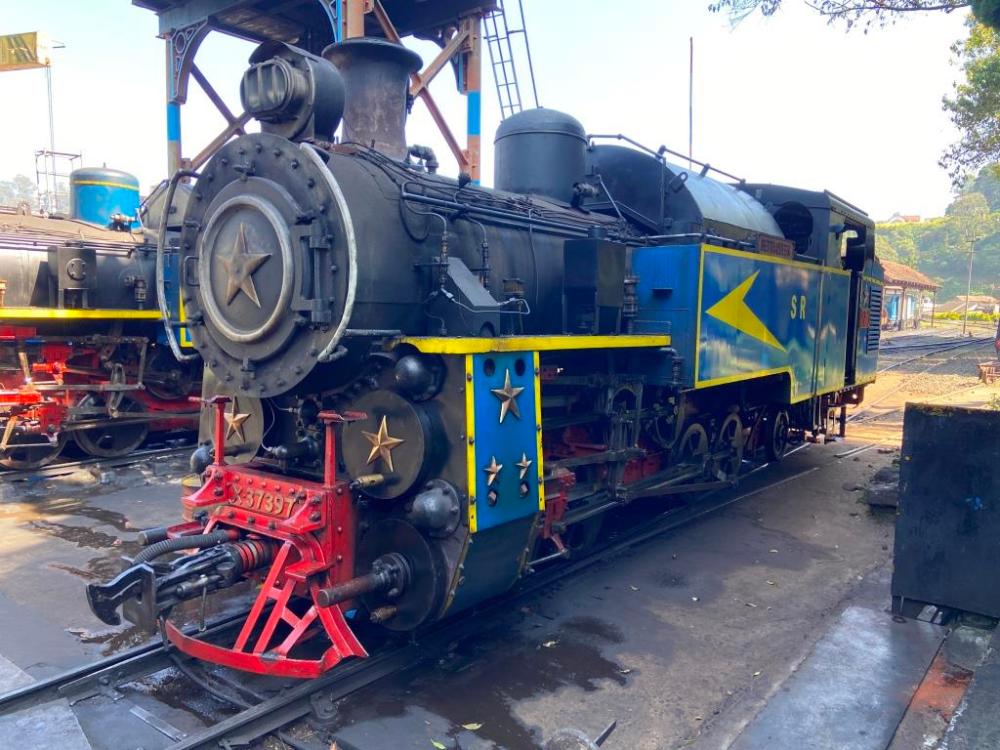
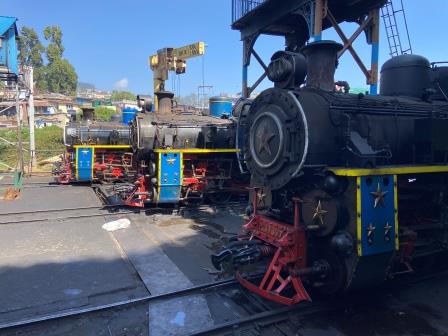
An employee came over to me and said, “visitors are not allowed”. I told him that I realised this as I had seen the sign. He replied “okay, that’s good” and walked away. I continued the visit carefully making my way around and looking at the various X Class locomotives that were stabled there.
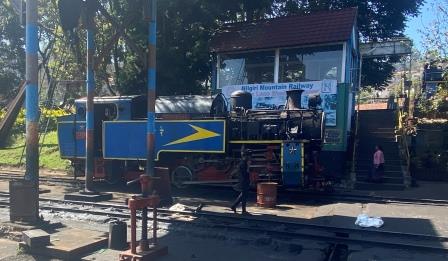
Arriving in 1914, the X Class 0-8-2 rack tanks were not the first engines on the line. They replaced earlier Beyer Peacock 2-4-0 locomotives that were no longer powerful enough to meet the demands of growing traffic.
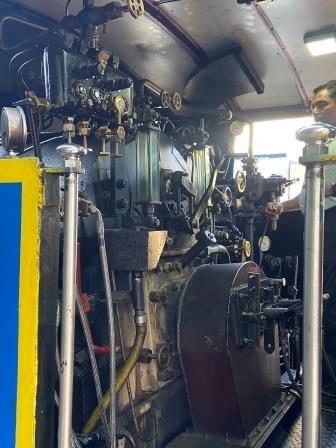
Working on the ABT system, the locomotives have low pressure cylinders outside their frames that drive the rack gears. High pressure cylinders drive the main wheels.
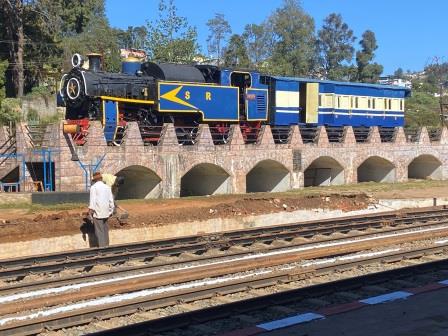
Seventeen X Class were purchased from the Swiss Locomotive & Machine Works, Winterthur, Switzerland. The first twelve were delivered between 1914 and 1925 and the second five after 1947. One of the earliest and two of the later examples remain operational today. Eight others have been scrapped but six have been preserved as static exhibits around India.
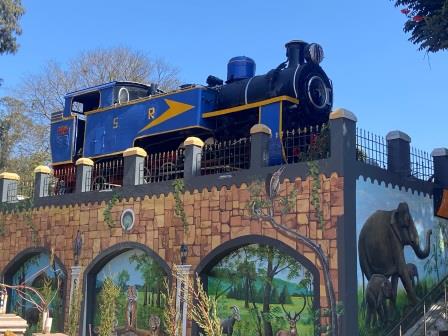
To ease pressure on the old locomotives, four more members of the class were built in India between 2011 and 2014 and then another two between 2021 and 2022. With one exception, the Indian locomotives are diesel rather than coal fired. Two of the remaining three Swiss engines have also now been converted to run on diesel fuel.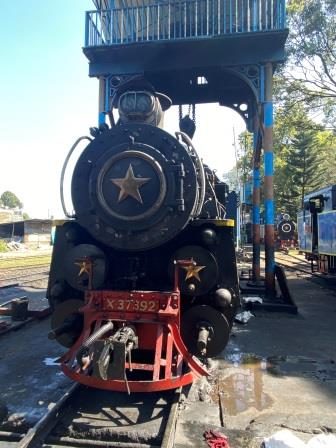
The 23 X Class Locomotives
|
Seq. |
NMR No. |
Built |
Name |
Condition |
|
1 |
37384 |
1914 |
Nilgiri Ratham |
Operational (Coal fired) Used on specials |
|
2 |
N/A |
1914 |
|
Scrapped before 1947 |
|
3 |
N/A |
1914 |
|
Scrapped before 1947 |
|
4 |
N/A |
1914 |
|
Scrapped before 1947 |
|
5 |
N/A |
1914 |
|
Scrapped before 1947 |
|
6 |
N/A |
1914 |
|
Scrapped before 1947 |
|
7 |
37385 |
1925 |
|
Delhi Railway Museum |
|
8 |
37386 |
1925 |
|
Plinthed at Ooty Station (Oil Fired) |
|
9 |
37387 |
1925 |
|
Whereabouts unknown |
|
10 |
37388 |
1925 |
|
Whereabouts unknown |
|
11 |
37389 |
1925 |
|
Plinthed at Coimbatore Junction (Coal) |
|
12 |
37390 |
1925 |
|
Plinthed at Coonoor (Coal) |
|
13 |
37391 |
1949 |
Nilgiri Tahr |
Operational (Diesel fired) |
|
14 |
37392 |
1949 |
Nilgiri Macaque |
Operational (Diesel fired) |
|
15 |
37393 |
1952 |
|
Chennai Railway Museum |
|
16 |
37394 |
1952 |
|
Whereabouts unknown |
|
17 |
37395 |
1952 |
|
Tiruchirappalli Railway Museum |
|
18 |
37396 |
2011 |
Neela Kurinji |
Operational (Diesel fired) |
|
19 |
37397 |
2012 |
Betta Queen |
Operational (Diesel fired) |
|
20 |
37398 |
2013 |
Nilgiri Queen |
Operational (Diesel fired) |
|
21 |
37399 |
2014 |
Nilgiri Flycatcher |
Operational (Diesel fired) |
|
22 |
37400 |
2021 |
|
Operational (Coal fired) |
|
23 |
37401 |
2022 |
|
Operational (Diesel fired) |
The Train back to Ooty
Back at the station I got talking to a young couple. They had been sat on the bus from Mysuru and had recognised me. We had a long chat. They were visiting from Hyderabad. It was a long weekend trip and this was their first excursion to the Nilgiris.
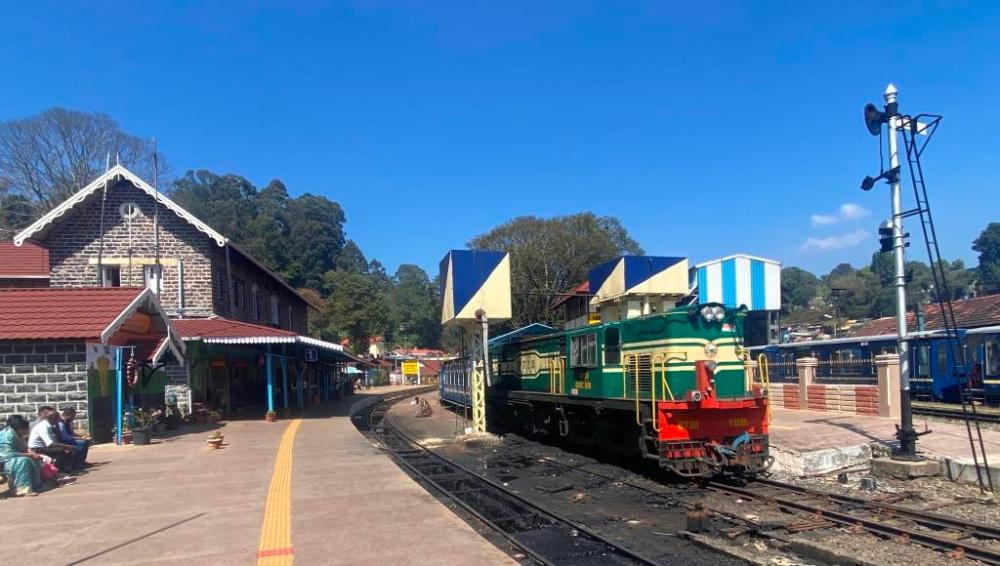
Having booked already for the train journey all the way from Ooty through Coonoor to Mettapalayum the next day, I had already resigned myself to going back to Ooty on the bus. Partly because I figured that train tickets would be too hard to get.
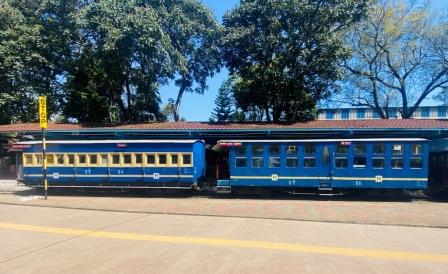
Although normally only one train made the complete trip from Mettapalayum and back each day, there were three or four diesel worked services that shuttled between Coonoor and Ooty. It turned out the couple were queuing for tickets for the last service back to Ooty at 16:30 and I decided to stay with them. Happily, we were allowed to queue whilst sat on the row of benches next to the ticket office. There was an allocation of unreserved seats available on a first come first serve basis, about forty would be released. I counted only seven people ahead in the queue and as the rule was that one person could buy a maximum of four tickets, I thought I was in with a chance.
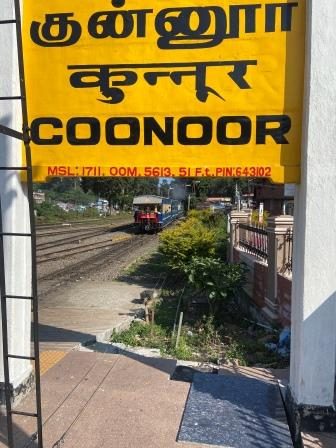
We were soon joined in the queue by a driver from Bengaluru. He was purchasing tickets for a couple from Delhi who he had been driving around the area. We all chatted for forty minutes, partly about whether the biriyani in Hyderabad was better than in Bengaluru. When it opened, the guy in the ticket office promptly announced that he was accepting neither cash nor credit cards. Only those using the domestic “ India Pay” system would be served. I began to panic, and then the driver offered to purchase my ticket for me. It was 80 rupees but, grateful, I paid him 100 for it.
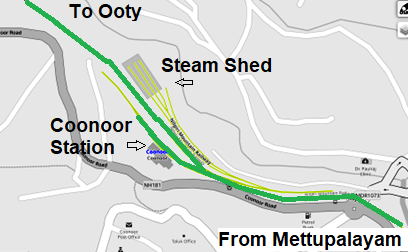
Despite its position at the centre of the line, Coonoor was set up as a terminus. Trains from Mettupalayam arrived here and then reversed out again for a few hundred metres before changing direction once more to continue to Ooty.
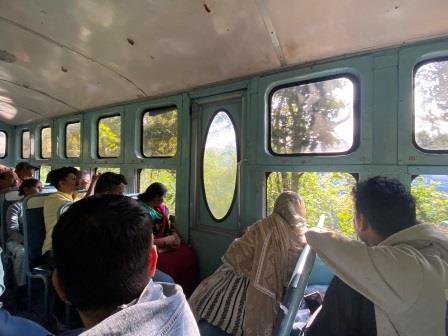
All the tickets had obviously been sold and the unreserved carriage was totally full by the time we set off. The diesel locomotive attached to the front pulled us a few hundred metres out of the station and then reversed direction to begin pushing us up the track towards Ooty.
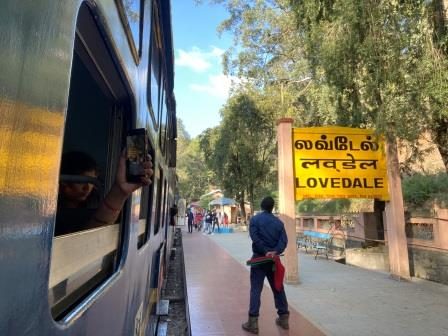
All the trains on the Nilgiri Mountain Railway are pushed up the mountain with the locomotive, steam or diesel, at the rear. In the opposite descending direction, the engine is always at the front, generally acting as a brake for the coaches behind it.
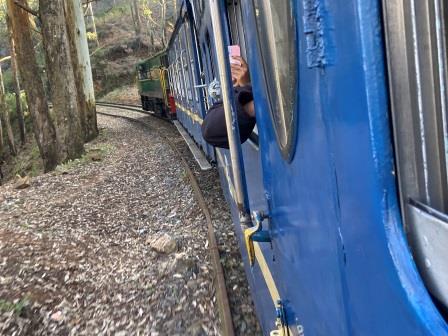
With a few stops, it took just over an hour to get up to Ooty. It was a great introduction to the railway. My only regret was that I was seated on the right hand side of the train and most of the stunning views were off to the left. I wasn’t too bothered as I knew I would get another chance the next day.
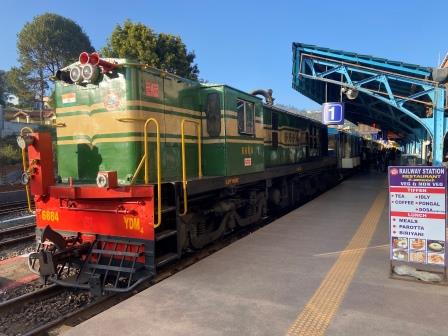
Train #06172 – Nilgiri Mountain Railway (Special)
The next morning, after another chilly night under the blankets, I checked out of the hotel and walked back down to the station. I got a few snacks for the journey from a kiosk just across from the large gateway that had been erected for the centenary of the railway in 2008.
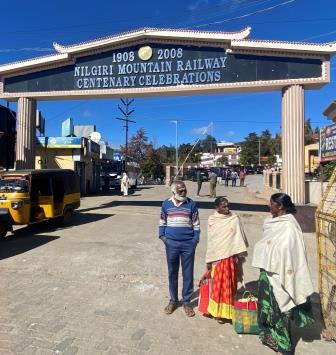
Ooty station was surprisingly large, modern and clean. The booking office was decorated with a sign celebrating the railways listing with UNESCO in 2005 and it was full of signs explaining that unreserved seats on all trains were extremely limited.
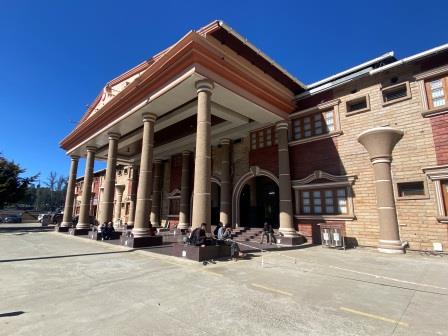
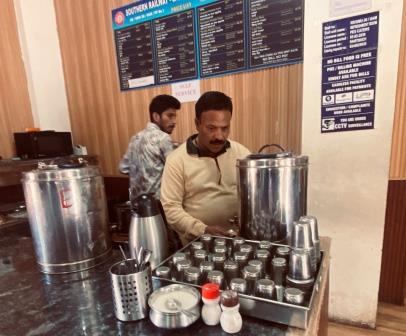
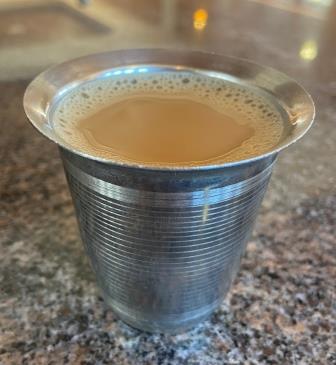
I went to the large refreshment room, got a chai and sat down to wait. At 10:30 there were already plenty of people gathering for our 11:25 departure. There was normally only one train to Mettupalayam at 14:00 but they had organised an extra one on account of it being the holiday season.
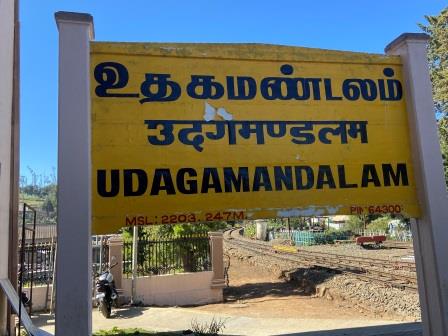
The five carriages to form the train were eventually brought into the platform by the diesel locomotive that would pull them down the hill to Coonoor. My first class compartment had eight seats, four facing each other, and was sealed off by itself without the central aisle that the second class carriage had had the day before.
In this compartment I was joined by two young Indian couples, one with a daughter and another with a son. When the conductor came around to check the tickets he announced that the eighth person who had reserved one of the window seats had not turned up. My first lucky break.
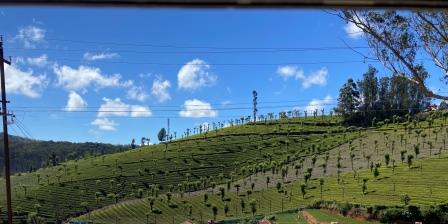
We set off heading down the mountain, with an allowance of just more than an hour for the section back to Coonoor. Of course, this first part was not new to me but I made sure I was sitting on the correct side to enjoy the glorious views of the hills around Ooty.
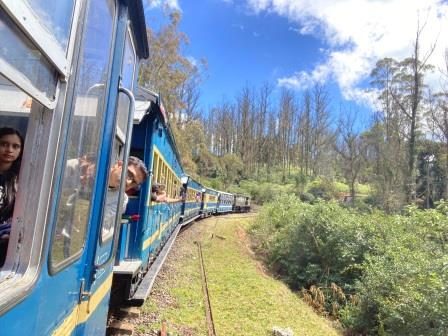
We all got chatting immediately. The couple with the young boy were from Bengaluru and on a brief holiday to the Nilgiri Hills. They were staying in Ooty and were only making a short trip down to Coonoor and back.
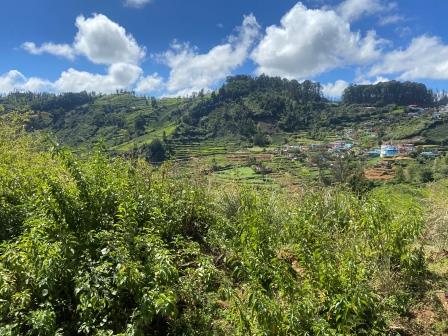
The couple with the young girl were from Pune and had flown down for a wedding they would be attending the next day in Coimbatore. January was wedding season in India and they were not the last people I would meet on their way to one.
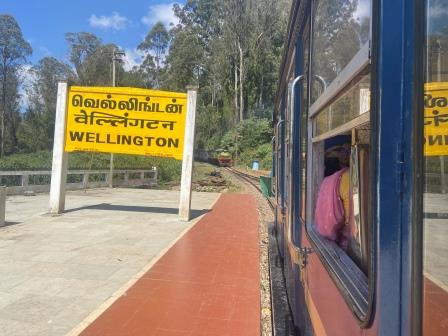
At Lovedale we passed the only other Mettapalayum to Ooty train of the day. Whilst our service was an extra, that train was the regular daily return trip. It would be heading into Ooty, turning around and then at 14:00 setting off again to follow us back down the mountain.
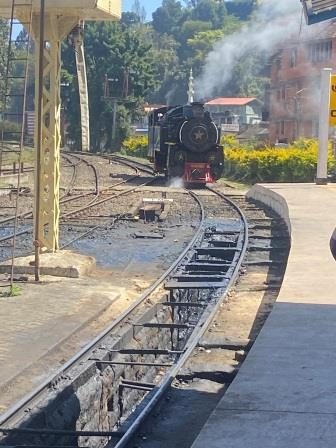
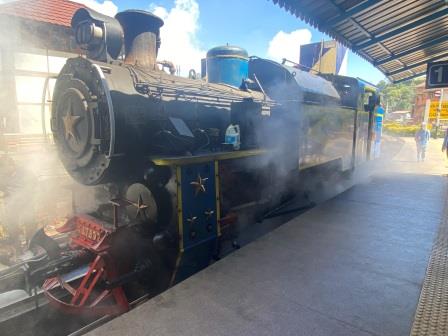
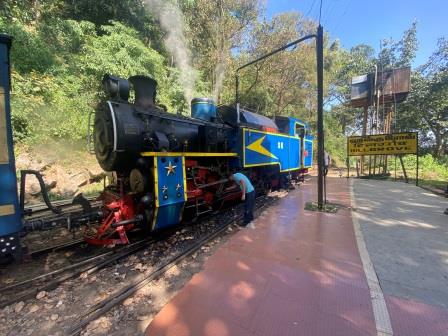
After a little more than an hours run we were back at Coonoor. We passed the station and then reversed into it. The layover would be more than thirty minutes here. The diesel came off took one of the coaches with it, leaving four. X Class No. 37392 Nilgiri Macaque approached and with a lot of people watching, coupled up to the train.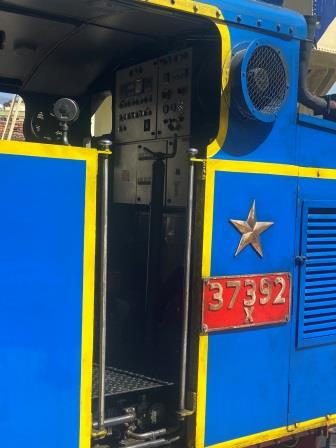
When we finally got going again I was pleased to see that no one else had joined us in our little compartment. The four of us could now relax across the eight seats.
My travelling companions were absolutely delightful company and interspersed with enjoying the wonderful views, we had some great conversations on a wide variety of subjects including, with the daughter, Peppa the pig.
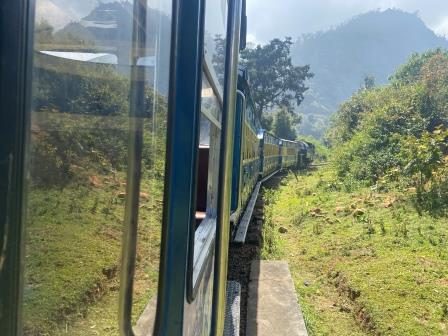
As it left Coonoor the locomotive engaged the rack system and the descent rate suddenly became noticeably steeper.
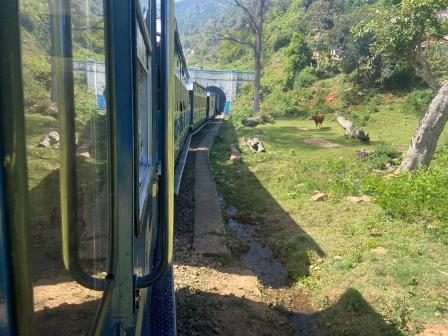
The initial views were of the tea estates and it was not long before the train passed through the tunnel and over the viaduct near Glendale that I had seen the day before.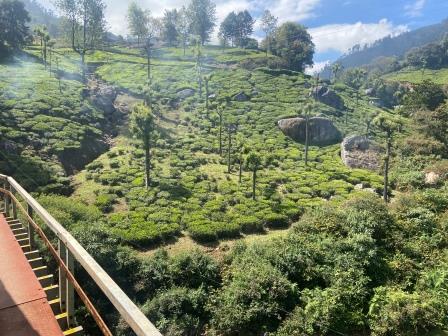
The pace was slow enough to stick my head out of the open window to admire the views and watch the train as it curved around the bends.
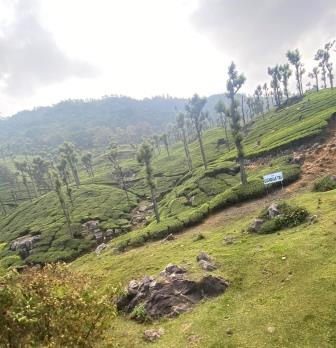
Although the oil firing locomotive was producing picturesque puffs of smoke, rather than the pleasant odour of coal steam, it was more akin to breathing in the fumes from a truck exhaust.
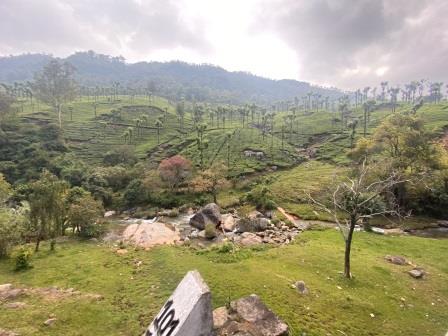
We made a short stop at Runnymede (1,600 metres above sea level), having already descended from Coonoor (1,850 metres) and Ooty (2,400 metres).
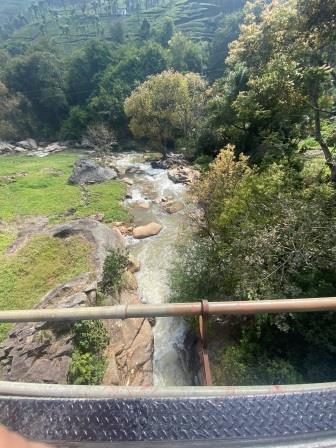
From this point on the train entered the forest and the views changed. As we crossed curving viaducts above gushing waterfalls there were Eucalyptus groves with rolling mountains in the distance.
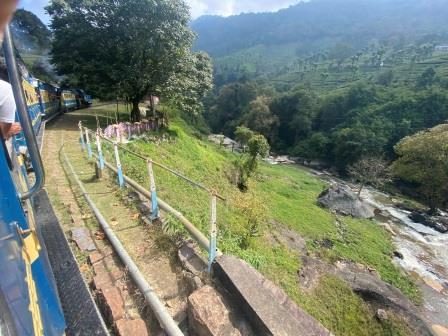
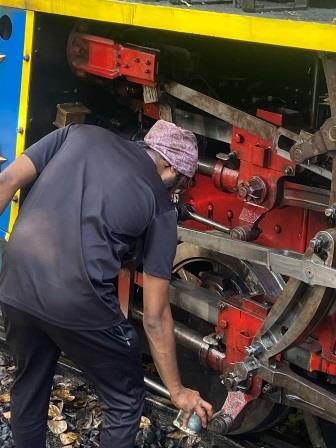
We pulled up at Hillgrove (Elevation: 1,067 metres) for a lengthy stop. The crew tended to Nilgiri Macaque, filling the tanks with water, checking the wheels and oiling the valve gear and motion.
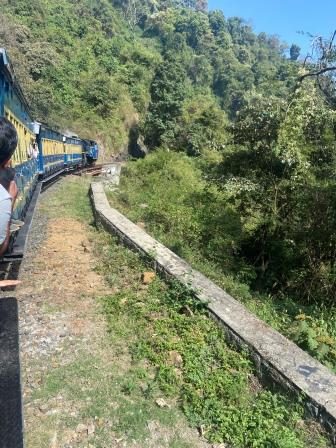
The stop was more than thirty minutes and most of us got off the train and wandered around. I noticed that I was the only westerner on board the service. I thought that must have been slightly unusual because the railway attracts a lot of visitors from around the world.
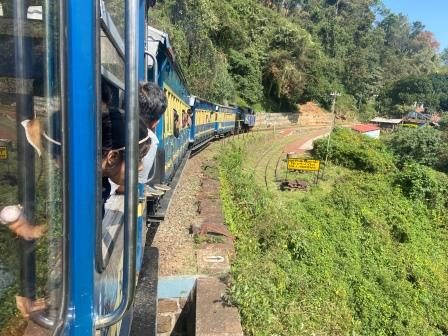
There was a little cafe at Hillgrove and they were doing brisk business selling chai, coffee and bowls of hot buttered and spiced corn. The station, deep in the forest, had a kind of colonial-era “charm”, although perhaps “charm” was too strong a word.
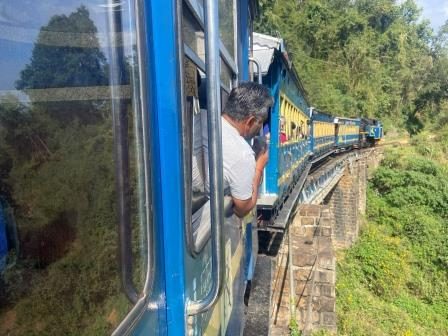
There were quite a few people doing the “Passage to India” pose. The railway featured in the 1984 film and one of the most memorable scenes was Victor Banerjee as Doctor Aziz hanging off the train pretending to be Douglas Fairbanks as it crossed a viaduct.
I asked my companions about the film, but they had not seen it. It was not quite as big a hit in India anyway. Perhaps understandable as it was far more sympathetic to the British Raj than the anti-colonial novel by E. M. Forster on which it was based.
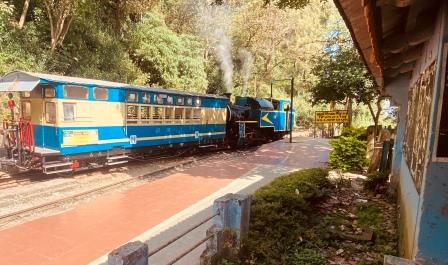
I took the opportunity of the extended stop to wander down the train looking at the four coaches. Ours was the newest one, with its large sliding windows, perfect for viewing and photography. The others were older traditional versions, more authentic perhaps, but with smaller windows.
All of the carriages had a little veranda at the “Ooty end” where members of the crew could sit and operate the brake apparatus. In theory, any coach could be positioned at the end. When the train was climbing and the locomotive was pushing the coaches, the crew on the veranda functioned as lookouts as well.
After we left Hillgrove we descended again twisting and turning through short tunnels and across more curving viaducts. The civil engineering statistics for the whole line from Ooty were quite impressive: 208 curves, 16 tunnels and 250 bridges.
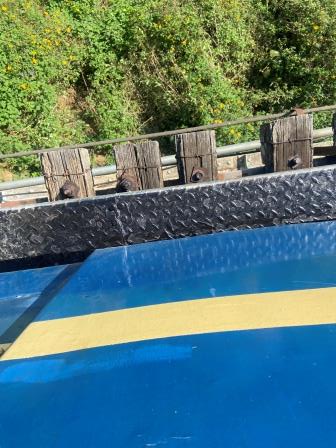
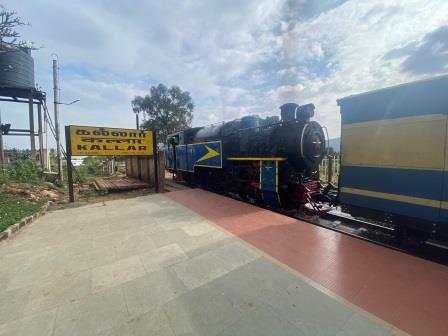
Our final stop was at Kallar (Elevation 400 metres). Once again we halted for quite a long while. We were watched by the station master and his staff who were all in brilliant white uniforms.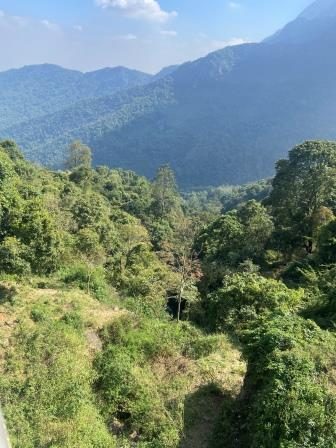
Kallar marked the end of the rack rail section that had started at Coonoor and once we started off again it was obvious we had levelled out. The mountain greenery now turned into more plains type vegetation. The hills from where we had come were fading from view behind us.
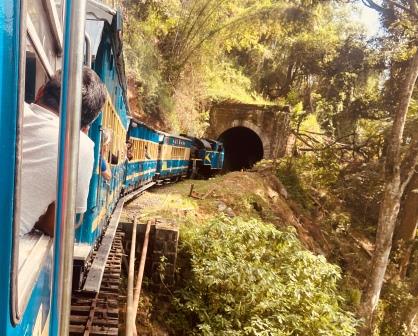
There was certainly the sense of being back in civilisation again as rows of coconut trees appeared. There were more houses and a level crossing with a line of cars waiting. The temperature had also risen noticeably.
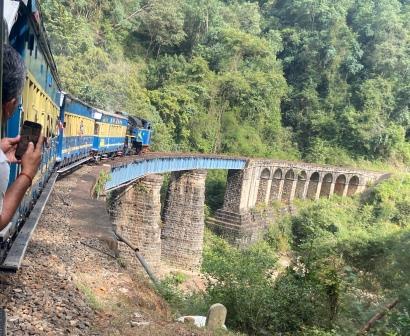
Progress over the last section was pretty rapid and before long we were passing the carriage shed at the bottom of the line and curving into the platform at Mettupalayam. It was just before the scheduled arrival time of 16:00.
Mettupalayam looked like a very modern station. The main platform was an island with the metre gauge terminus on one side and the broad gauge line on the other. Further up towards Coimbatore the metre gauge track ended and beyond it was a shorter broad gauge bay platform.
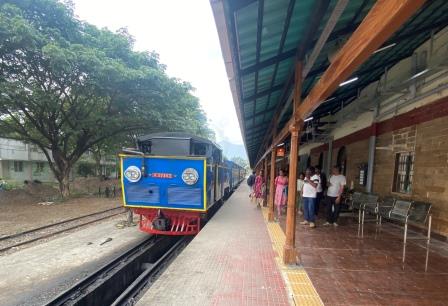
I stayed to watch Nilgiri Macaque push the coaches into the yard and then take itself to the small steam shed. 37400, the newly built coal fired engine was sitting outside. 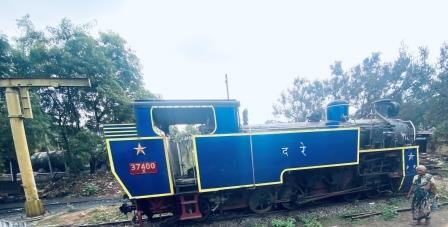
I then stayed around to watch 37391 Nilgiri Tahr arrive on the other service train of the day just over an hour later. The engine went off to the steam shed leaving a set of coaches in the platform ready for the next day’s departure at 07:10.
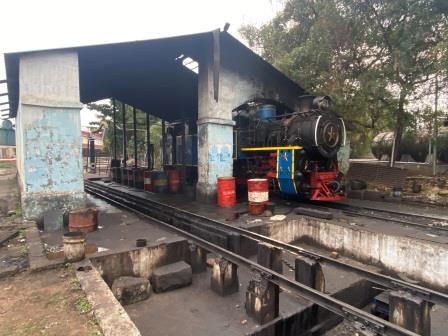
I popped into the railway museum just across the platform. It was a large room quite well laid out with displays and photos. I was interested to see that it stayed open until 21:00. There was the fascinating story of how the line was built in the early 1900s, with historic views of stations like Coonoor and Kallar and some of the signal token instruments used in the British-era.
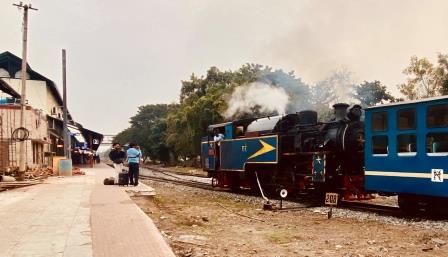
Eventually I was ready to leave the station. My Nilgiri Mountain railway experience was one of the most enjoyable railway journeys I had had for a while. It is thoroughly recommended.
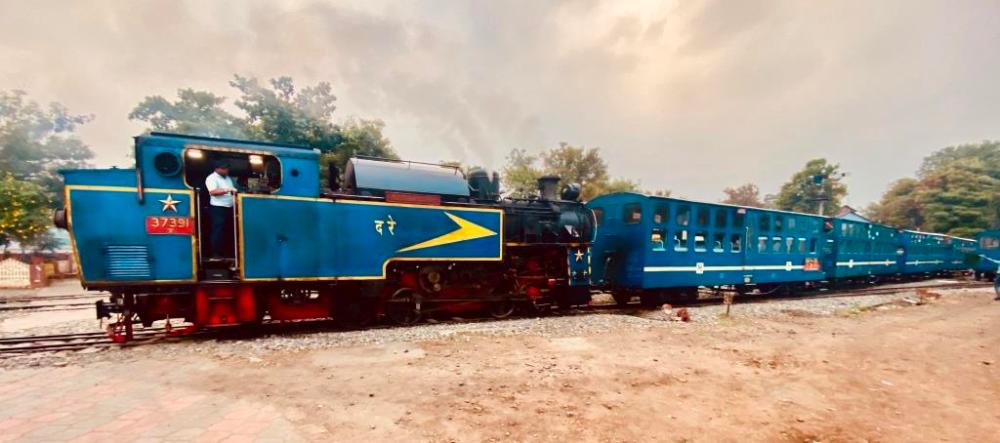
Continue the journey soon – #16565 – Express (Coimbatore)

 Trains To Beyond