Part Two
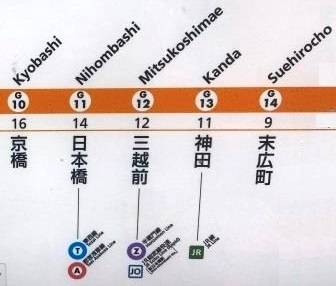
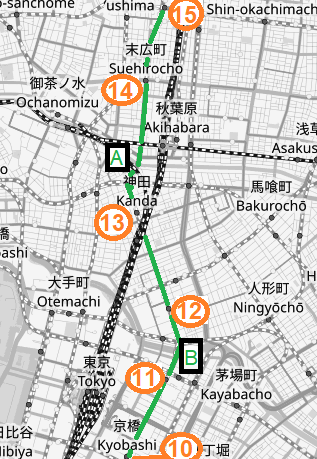
Walk to Suehirocho, G14 (0.6 km / 3.3 km)
I continue walking south along Chuo-dori. The road is about five or six lanes wide, but there is nothing along here that seems to be from before the 1970s, perhaps a few buildings from the 60s, but nothing earlier.
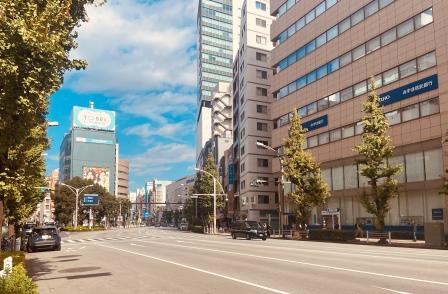
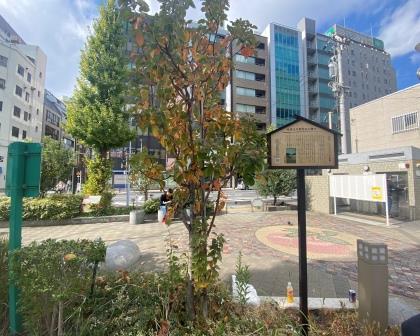
I am free of the bustle of Ueno now and walking past more convenience stores and chain restaurants. Just off to the right is the main shop of the famous Japanese confectionery brand Usagiya. It is decorated with the company’s rabbit logo. After the junction with Kuramaebashi, I am already here at Suehirocho.
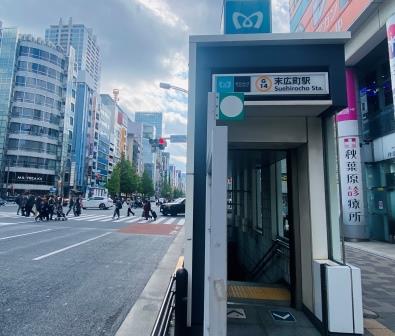
Suehirocho, G14, opened on 1 January 1930, was the second on the initial extension from Ueno. It retains its narrow entrances and, as with Inaricho, the two platforms are not connected and it is necessary to be on the correct side of the road to access your chosen direction.
Walk to Manseibashi, Closed Station (0.7 km / 4.0 km)
Chuo-dori now suddenly changes character. I have arrived in Tokyo’s Akihabara electronics district. At first it is still just convenience stores and restaurants but as I push past the south exit of Suehirocho, the electronic shops start to build up. This world famous area of Tokyo is largely a post-war creation.
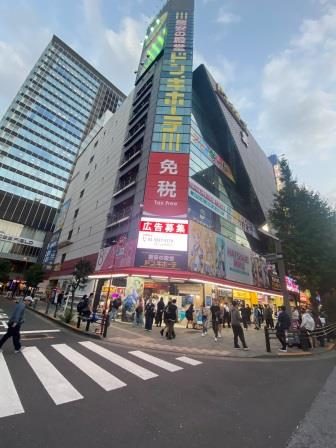
Before the war, when the chikatetsu was constructed under the street here, Akihabara had many small buildings which were combined shops and residences, so called “shimotaya”. There were many antique stores and one of the only modern buildings was the Isetan department store, long since moved to Shinjuku.
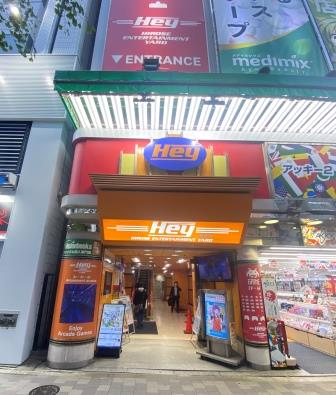
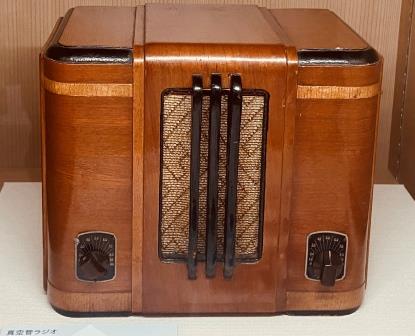
There were some indications of what was to come. In 1925 NHK, the national broadcaster, had started its radio service and by 1933 the first two shops Hirose Shokai and Yamagiwa Denki Shokai had opened up and begun to expand rapidly. Hirose is still around in Akihabara in the form of “Hey.”
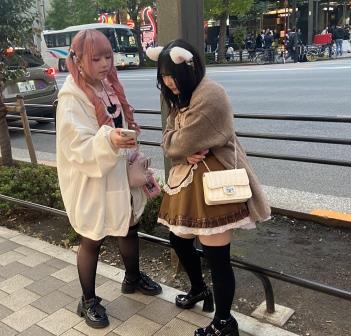
Now I am in the thick of all the busy electronics stores. As I walk down the street, I notice a lot of young people in costumes handing out flyers for maid cafes and other themed restaurants.

They are not the only ones in costumes, Akihabara is a hub for otaku culture (fans of anime, manga, and video games), attracting individuals who like to dress up just for fun too.
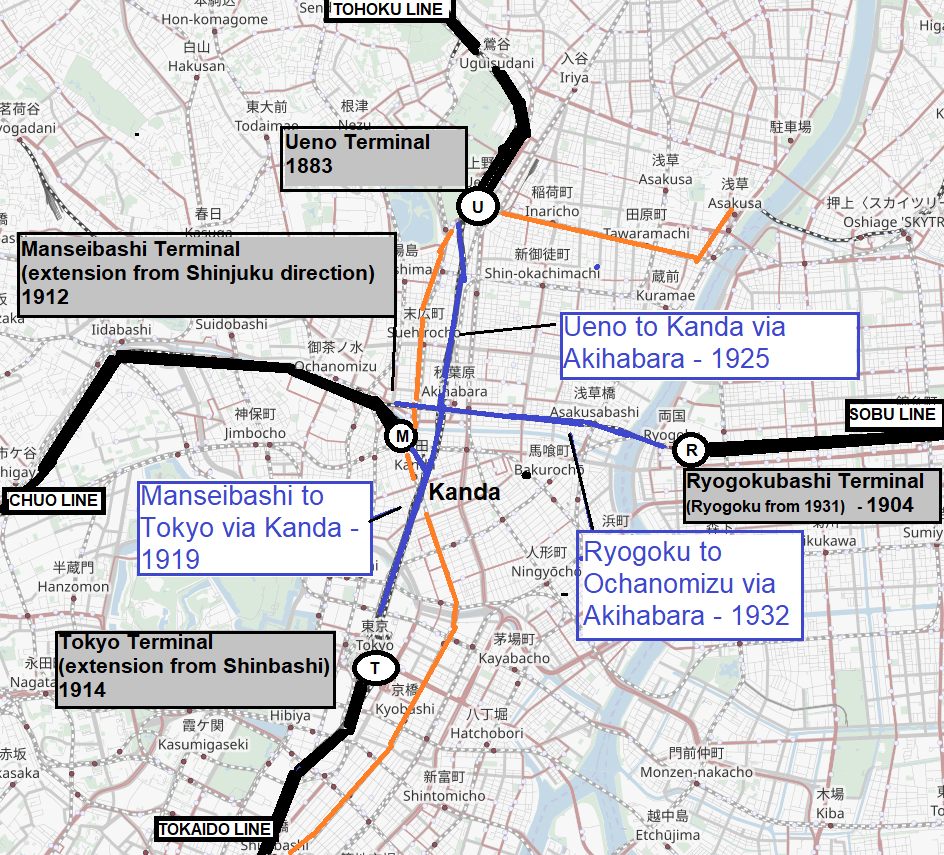
I reach the point close to Akihabara Station with the viaduct taking the JR Sobu line across Chuo-dori in front of me. It was added in 1932 to link the Chuo line with Ryogoku and the line to Chiba. Past here and the electric shops finally start to fizzle out.
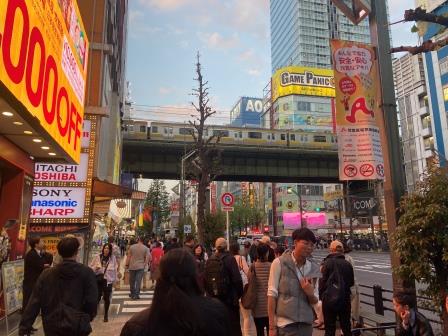
I walk one block further south; I go across the crossroads and turn to look back the way I have just come. There is a bus turning into Chuo-dori and it is passing the spot where the entrance to Manseibashi Subway station used to be. There is little trace of the station on the surface although it can just about be detected from the train. Opened on 1 January 1930, it was only ever meant to be temporary and closed on 21 November 1931.
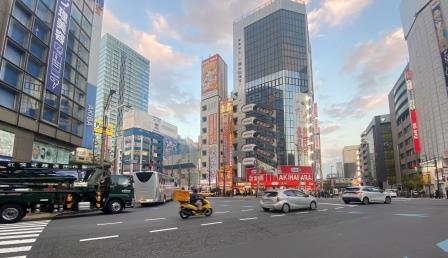
Walk to Kanda, G13 (0.4km / 4.4 km )
As I continue my walk south, the reason the station was so short lived becomes a little clearer. I come to the River Kanda. I look east as I go across Manseibashi (Mansei Bridge). In the 1930s tunnelling under a river was still quite a challenge and more time was needed for the task.
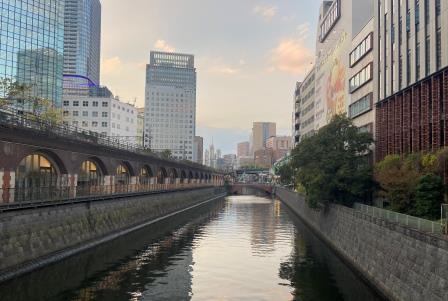
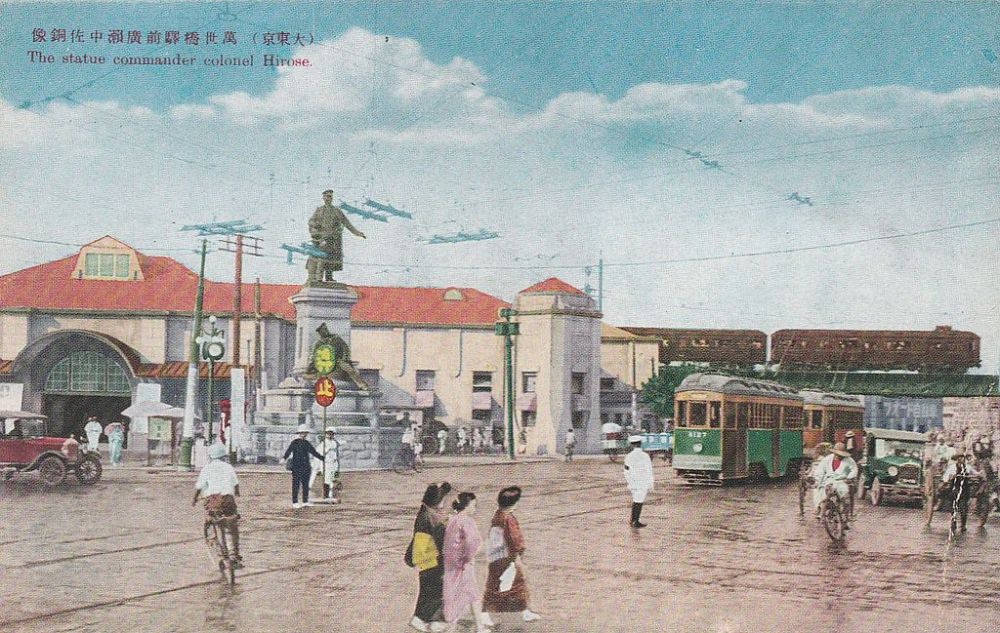
On the south bank of the river, to my left, are the railway arches carrying the Chuo Line from Ochanomizu around to Kanda and Tokyo. On the top of and on the other side of these arches once sat one of the grandest railway terminals in Tokyo. Manseibashi was opened in 1912 as the terminus of the Chuo Line. It was built in a similar architectural style to Tokyo Station. A statue of Takeo Hirose, hero of the Russo-Japanese war, stood in front of it.
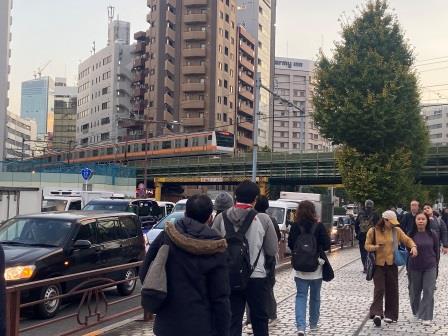
Conceived before the railways were nationalised in 1907, Manseibashi was one of four termini serving the different points of the compass. Plans to link it to Tokyo were soon made by Japan Government Railways and a connecting line was opened including a new station at Kanda in 1919. The grand station building at Manseibashi was a victim of the 1923 earthquake.
A simpler station building was constructed after the earthquake, but since both Kanda and the newly opened Akihabara station (1925) were close by it never received enough traffic and was soon regarded as redundant. When the chikatetsu was built in the early 1930s no thought was given to having an interchange here, Kanda was used instead. The surface station finally closed in 1943.
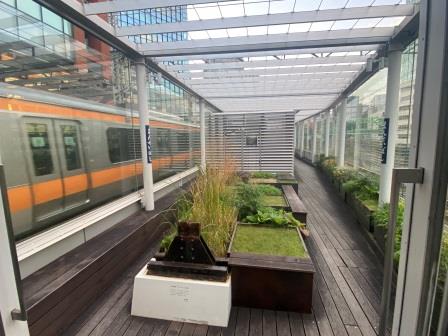
Although the station building has now been demolished, the platforms on the surface still remain and as the result of an impressive renovation project they have been opened up to the public. There are two separate staircases leading up to the track level, one from the 1912 station and another dating from the rebuilt building.

The old disused platform has been enclosed in glass and plants have been added. At one end of it is a restaurant and bar. It is quite a cool effect. I stand a while watching as the orange-striped Chuo line trains come hurtling past on either side at regular intervals.
Back on Chuo-dori I continue walking south, curving slightly towards the east as I go. The streetscape here contrasts with what I have just experienced in Akihabara and with what I know is coming up next. It is quieter here and there are cheap Chinese restaurants and shops selling discounted suits. 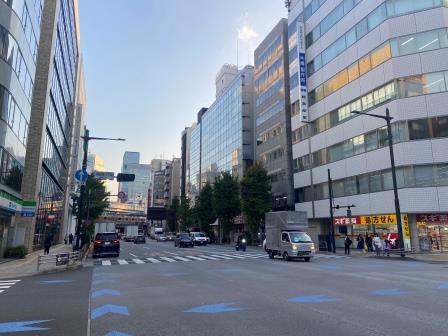
The first entrance to Kanda appears long before I reach the railway station. Kanda, G13, opened on November 21, 1931, the same day as Manseibashi closed, and served as the terminus of the line from Asakusa for around five months.
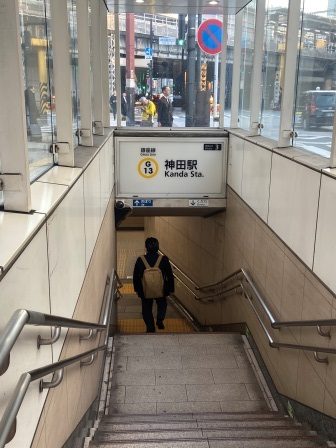
Walk to Mitsukoshimae, G12 (0.7 km / 5.1 km)
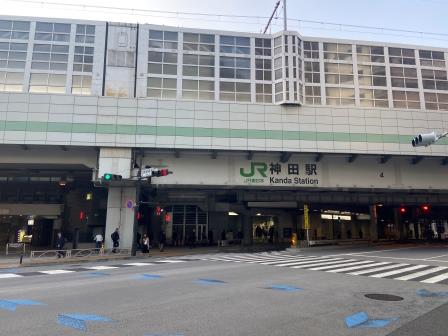
Ahead of me now is Kanda Station and just in front of it is a little square with the normal array of restaurants and convenience stores. Kanda was opened in 1919 on the connecting section of the Chuo Line from Manseibashi. In 1925 it was linked to Akihabara and Ueno by the last section of the Yamanote loop line. 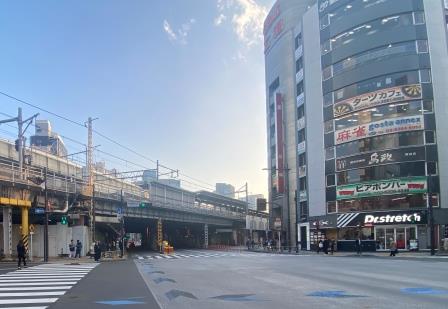
The walk under the tracks here takes quite a while. There are now five lines to pass under; the Chuo, Yamanote, Keihin Tohoku, Tokyo Ueno and the Shinkansen. On the other side is another little station square.
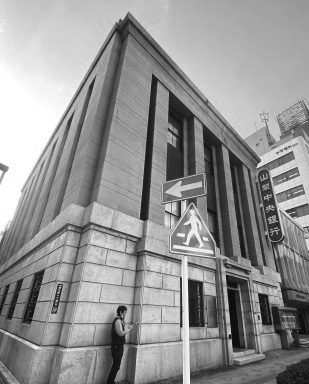
A few metres along from Kanda I come to the Yamanashi Bank on the right hand side. It stands out from all the other more modern buildings in its vicinity. It was completed in 1929 and apparently is a fairly typical example of a financial building from the period.
Just off to the left is another survivor of the interwar period. The Maruishi Building was completed in 1931. The walls of the first floor of this structure were built entirely with stone, and the second floor and up with scratch tile, a material used during the transition from bricks to tile in Japan. The outside is decorated with arches, beautiful statues of animals and plants.
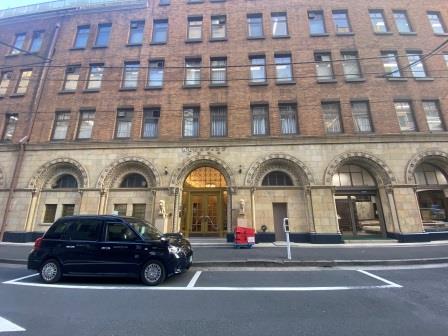
Now there are ever taller modern office blocks on both sides of the road. I go across the Edogawa-dori with the imposing and impressive Credo shop on the right hand side. This is an area of high rise blocks with high end shops on their ground floors.
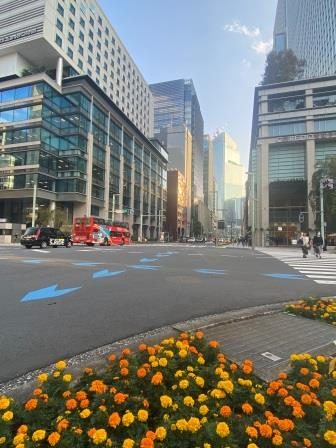
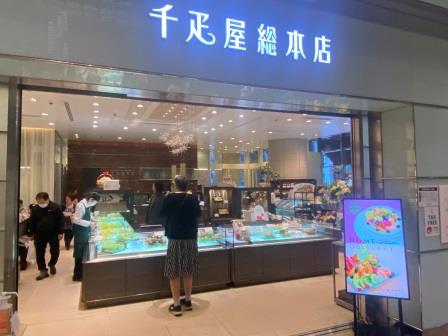
The flagship shop of the historic fruit retailer Sembikiya-Sohonten is located here. The fruit is displayed as if it were jewellery and the prices are almost to match. The melons here are famous for being especially expensive. The colourful signs advertise exquisite fruit desserts that are available in the cafe.
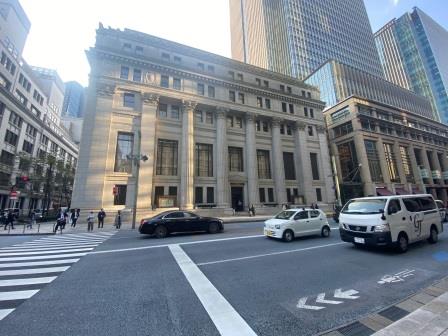
On the right here is the Mitsui building. It is another old survivor having been completed in 1929. It was built in a Greek retro neoclassical style, to serve as the headquarters of the Mitsui Bank. The Mitsui Memorial Museum is on the 7th floor, displaying around 4,000 items collected by the Mitsui family.
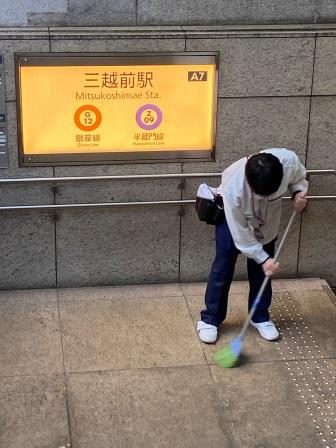
Directly along from the building is the Mitsukoshi department store. It is the inspiration for the name of the next Ginza Line station. Mitsukoshimae, G12, opened as the fourth terminus of the line from Asakusa on April 29, 1932. It became a through station on December 24 that year when the line was extended further to Kyobashi. The Hanzomon Line platforms here opened in 1989.
Walk to Nihonbashi, G11 (0.6 km / 5.7 km )
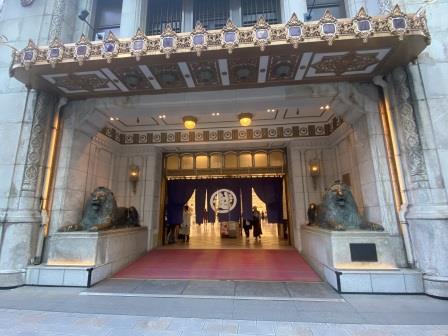
Mitsukoshi was actually founded near here back in 1673 as a shop selling Kimonos. It then established what is recognised as Japan’s first department store in 1904. A larger replacement 1914 building included the first escalator in Japan. It was badly damaged in the 1923 earthquake.

The current building was opened in 1935, following a six-year expansion and renovation programme. It is built in a Western classical style and features a grand central hall. The lion statues at the entrance have become symbols of the store.
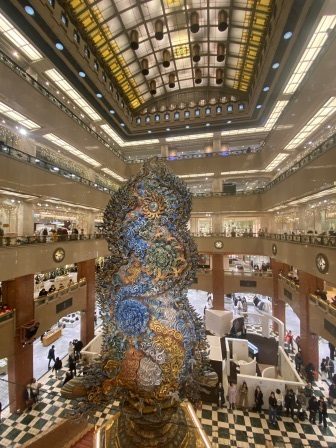
I used to head straight for the impressive food hall at Mitsukoshi, especially if I was with someone who was new to Tokyo, it never failed to amaze people. Today though, I am in the central hall. They have an organist playing on the Wurlitzer and I stand there listening whilst admiring the “Magokoro” (Sincerity) Statue, an 11-metre-tall, elaborate sculpture representing the store’s dedication to sincerity.
I walk on towards the bridge at Nihonbashi. On the right is a little monument indicating that this is Tokyo’s 0 km point. All the distances to Tokyo that appear on road signs around the country are measured from the centre of the Nihonbashi (Japan Bridge).
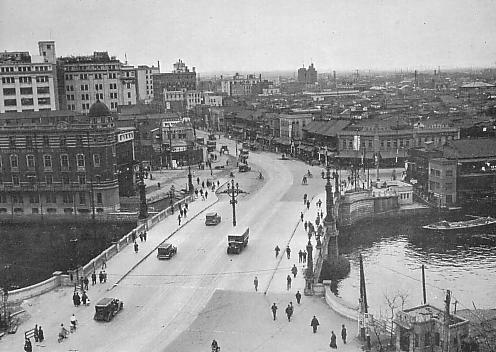
In the Edo Period (1603-1868) this area was where sea and land transportation came together, with cargoes being transferred between the modes for onward shipment. The river here, a distributary of the Kanda, flows into Tokyo Bay. It was nameless until 1882 but is now the “Nihonbashi-gawa”, literally Japan Bridge River ! 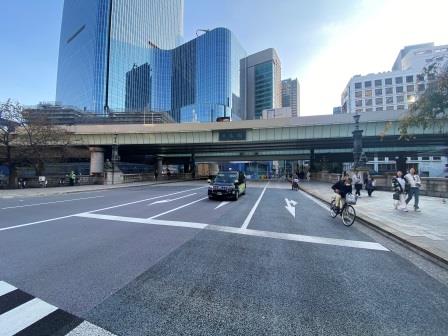
The current bridge dates from 1911, but since the 1960s it has been obscured by a flyover. This is part of the shuto inner city expressway that was constructed as the city prepared for the 1964 Tokyo Olympics.

The situation here is a poignant symbol of the way, back in the 1960s, Tokyo ignored aesthetics in the rush to modernise. Now however there are ongoing plans to restore the original position by moving the section of the expressway underground. That would be great.

Nihonbashi, G11, is just after the bridge itself. It was opened on 24 December 1932, when they extended the line south to Kyobashi. In 1963 what is now the Toei Asakusa Line (Toei Line 1) opened near here, with the Tozai Line arriving in 1967.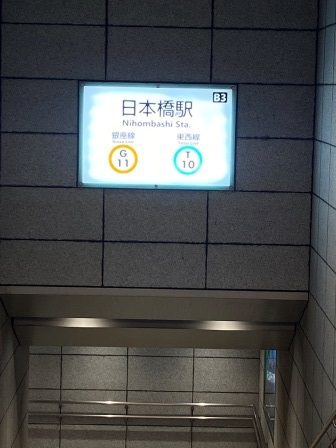
Walk to Kyobashi, G10 (0.7 km / 6.4 km)
As I start off again from Nihonbashi I come to Takashimaya department store on the left hand side. Takashimaya, was actually founded in Kyoto during the late Edo period, and it opened its branch here in 1933.
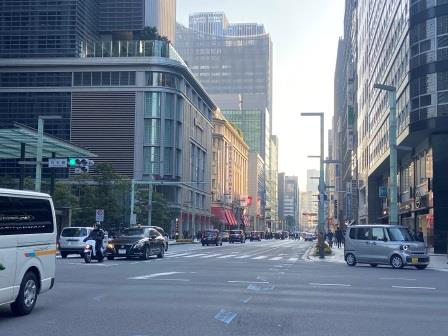
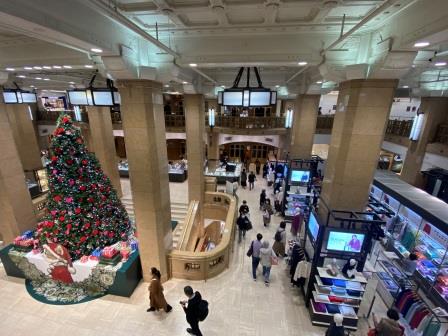
The main building is still in use today. The store is recognized for its Art Deco style and its original elevators, which still operate with a manual handle and an attendant. I brought my parents here when they visited back in 1989 and they were very impressed with the lifts. I take a ride up one floor for old times’ sake.
This stretch of the street is really a “retail paradise”. There is another survivor from the 1930s, Maruzen, on the left here; then further down on the right hand side is Meidi-Ya, one of Tokyo’s main purveyors of foreign foods. I pop inside for a look around. When I lived in Tokyo, I was a frequent visitor usually searching for some hard-to-get item that I missed from home.
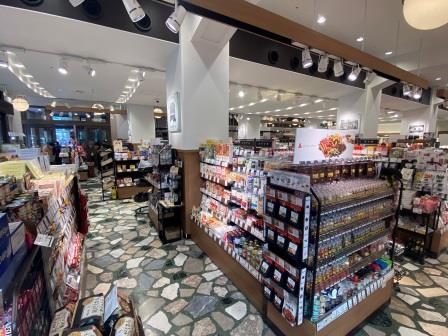
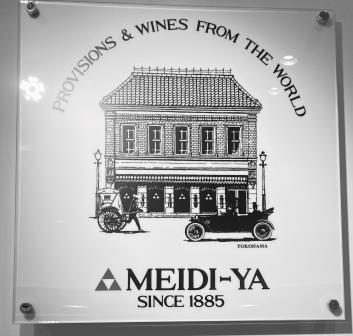
Meidi-Ya (or Meiji-Ya) was founded in Yokohama by Isono Hakaru in 1885. It started out in the importing business and soon pioneered the introduction of Western food culture, focusing on wines and luxury foods.
Built in 1933 in the Italian Renaissance style, this building is an important landmark in the history of Japanese architecture. It is said to be the oldest existing private building integrated with a subway station in the world. 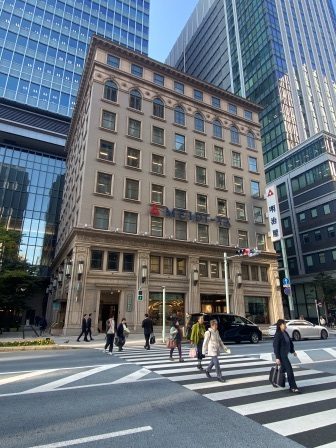
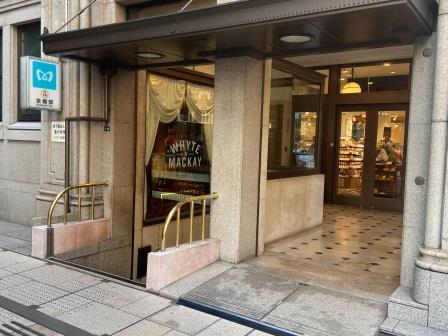
I walk over to the staircase that is part of the building and leads down to the Ginza Line platforms. Kyobashi, G10, opened on 24 December 1932, becoming the fifth terminus of the chikatetsu from Asakusa in five years. It remained at the end of the line until the extension one stop south to Ginza was completed on 3 March 1934.
Route Map
 Trains To Beyond