The Chicken Buses of Guatemala
Apparently, foreigners call them “chicken buses” because the locals sometimes have poultry riding with them as cargo, but to the Guatemalans they are simply la camioneta, la burra, or el bus.
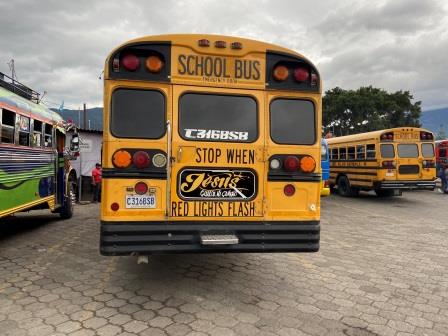
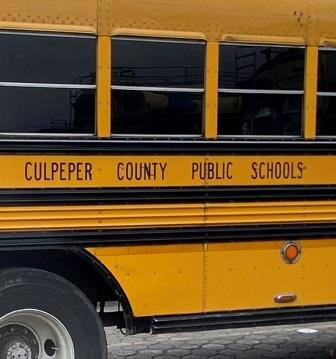
The vehicles are refurbished school buses from the United States and Canada. They are usually about 10 years old with a significant mileage on them. They are purchased, often at auction, and then driven down to Guatemala.
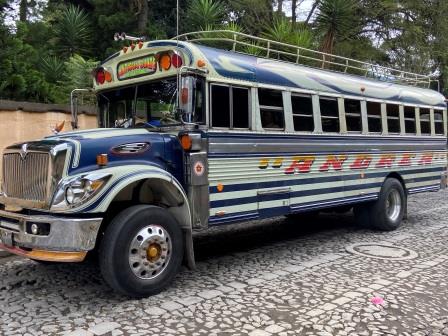
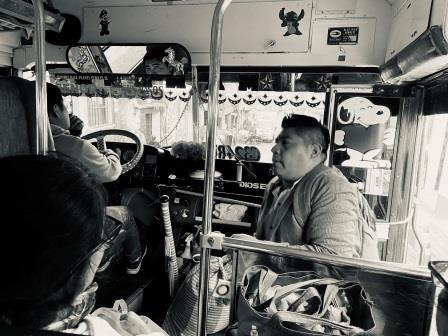
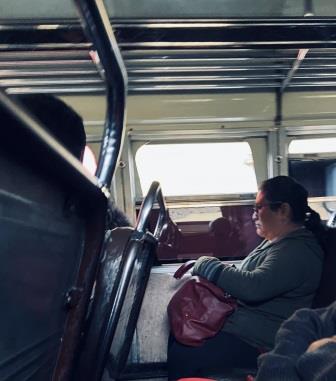
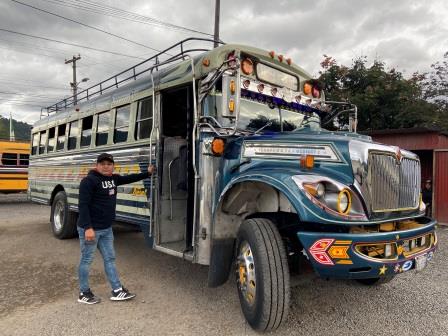
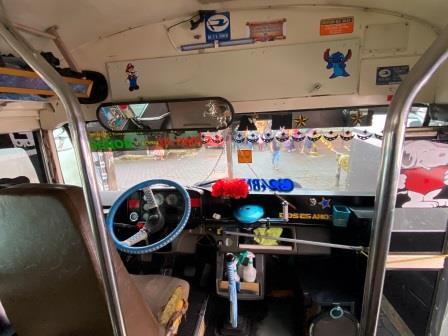
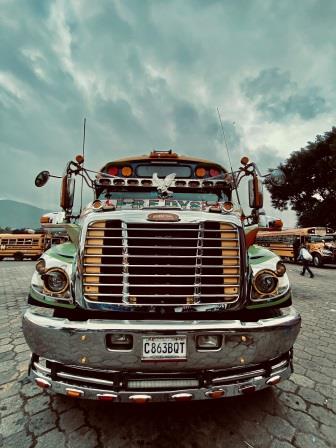
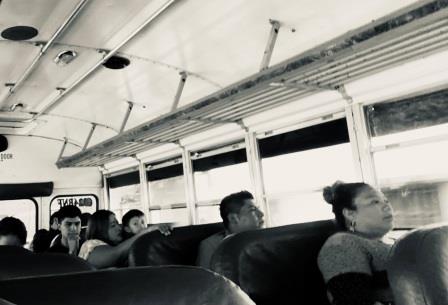
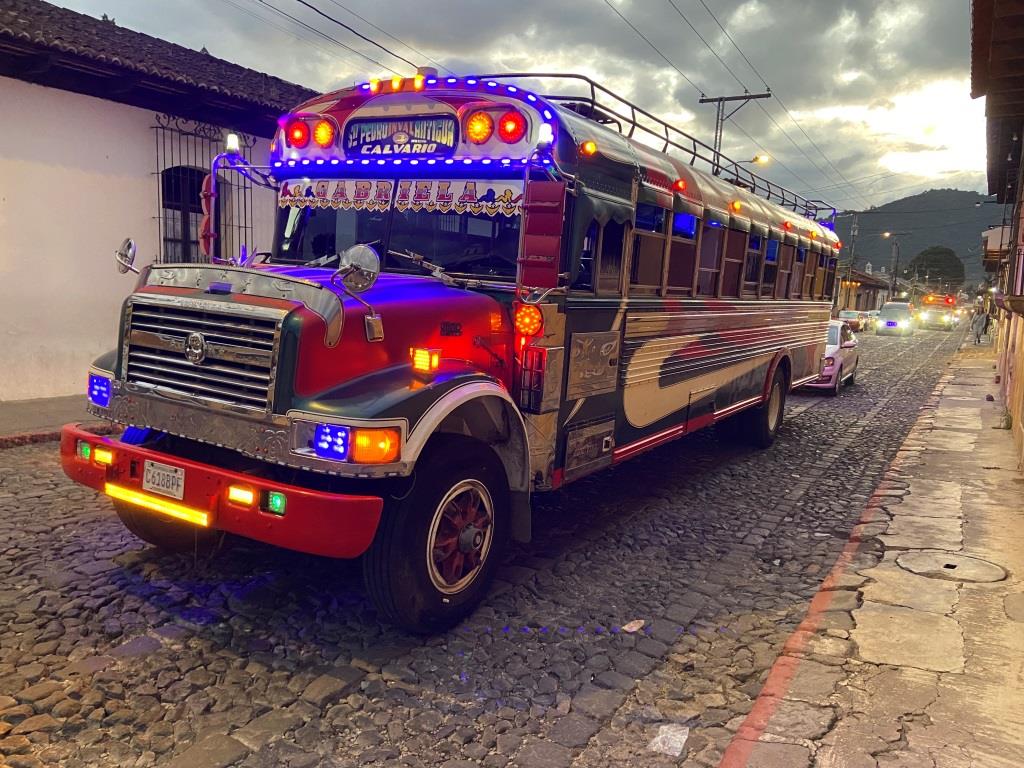
In some cases, the buses retain their original yellow liveries with just the name of the school district crossed out. However, most of them are repainted in garish colours and their polished up bumpers are adorned with flashing lights and other ornaments. Inside, the original seats are usually kept but otherwise the interiors are transformed by the addition of impressive stereo systems and flashing neon lights.
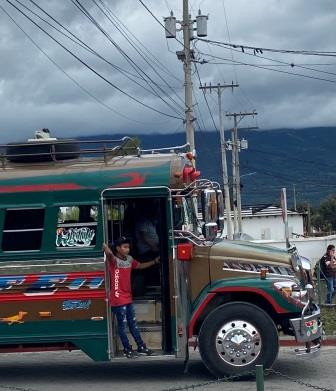
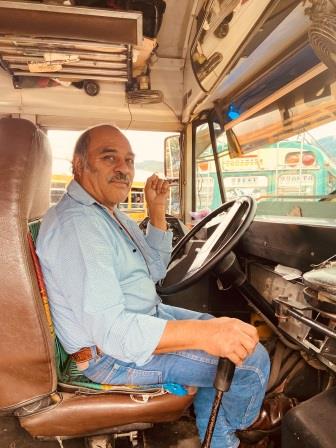
The bus drivers (chofer) are always accompanied by a conductor (brocha). The conductor loads cargo onto the top of the bus, collects the fares and announces the stops. For most of the time though it seems he rides on the front step, looking quite precarious as he hangs out of the open door of the speeding bus.
The buses ply dedicated routes with their origin and destination permanently painted above the front windscreen. Chicken bus fares are pretty cheap, one USD for an hour’s run was about the norm in 2023. Payment is usually made during the journey, with the conductor waiting until after all the stops where passengers are picked up on the edge of town before circulating through the bus with a wad of notes in his hand. Tickets are not issued.
The conductor is not the only one who circulates; there are plenty of hawkers who board during the journey selling food, drinks and other small items.







 Trains To Beyond