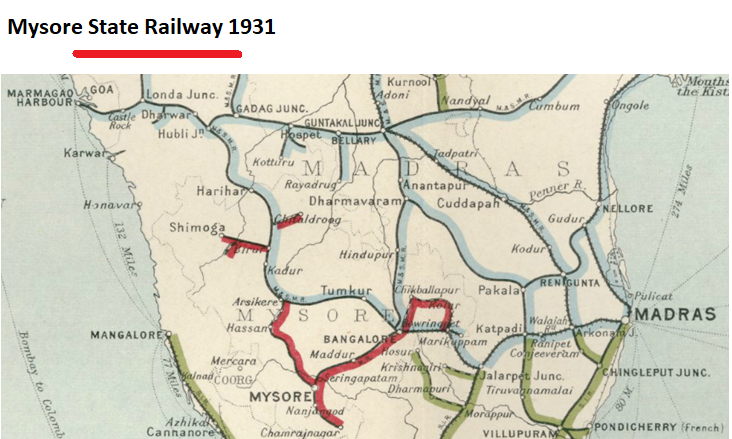
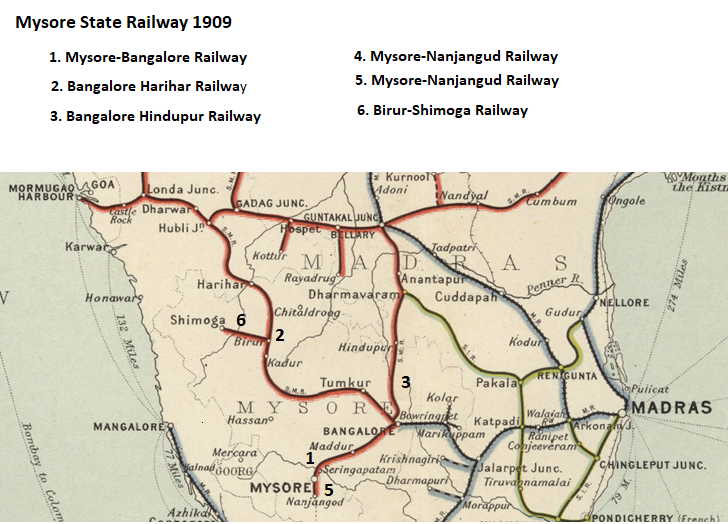
The story of railways in Mysuru (Mysore) began in the late 19th century under the Wadiyar dynasty. The Mysore State Railway opened the 86-mile Mysore-Bangalore metre-gauge line between 1881-1882. It was initially operated by the state before being managed by the Southern Mahratta Railway (SMR). The network expanded quickly with new lines including the Mysore-Nanjangud and Birur-Shimoga routes. By 1900 operations covered all three gauges. The lines eventually became part of the Southern Railway in 1951.
Although the museum is close to the railway station, the entrance was on the opposite side. Established in 1979 by Indian Railway the Mysuru Railway Museum covers more than 3 acres and features indoor and outdoor exhibits. It was modified in 2020 and looked good from the modernisation. The feeling was of a well-kept well looked after collection.
It is regarded as the second railway museum after the National Museum in Delhi and its exhibits mainly date from when the railway system in the city was metre gauge, before 1993. The entrance fee was 50 Rupees and it was open from 10am to 5:30pm.
Close to the entrance was a display focusing on the different gauges used in India, with the three prominent ones being exhibited next to each other broad (1676mm / 5 ft 6 in), metre (3ft 3inches) and narrow (762mm/2 ft 6 in).
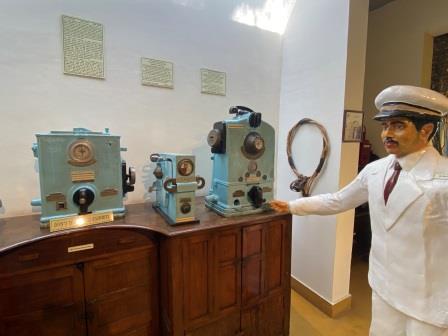
Inside on of the buildings was a collection of tokens, for single line working, equipment.
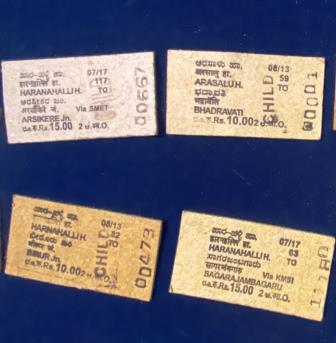
In another building was a collection of ticket-related items including plenty of old tickets and several versions of Edmundson date stamp printers.
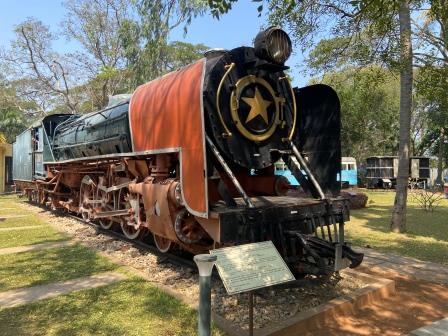
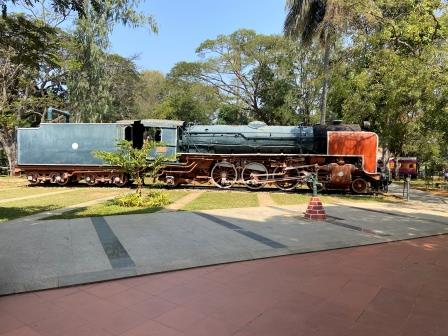
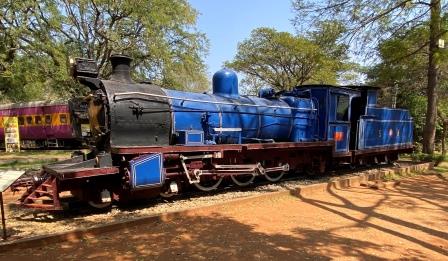
The largest locomotive on display was the YP2511 4-6-2 which was built by Telco in 1963
The Metre Gauge (MG) engine was one of the type that used to ply back and forth on the line between Bengaluru and Mysuru before the line’s conversion to Broad Gauge.
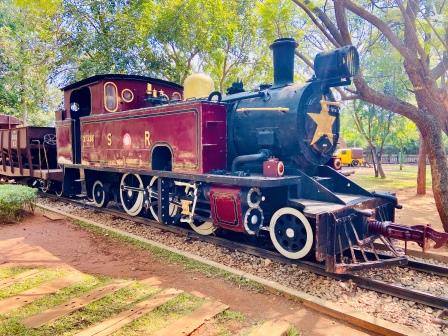
The other MG steam locomotive was TS 37338. The tank engine was manufactured by Bagnall’s of Stafford in 1932 for Mysore State Railway. It was used on suburban services on the Bangalore-Tumkur line.
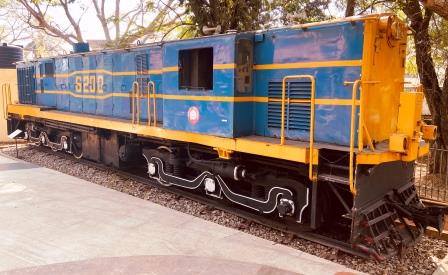
MG Diesel Locomotive YDM 6200
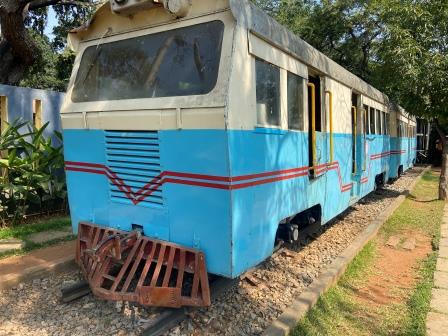
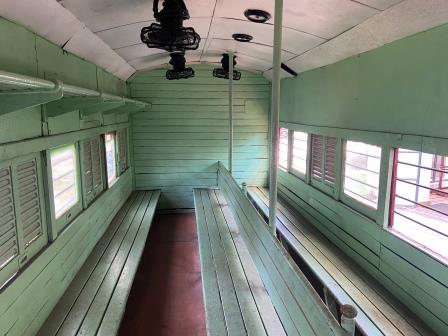
A metre gauge railbus dating from 1930
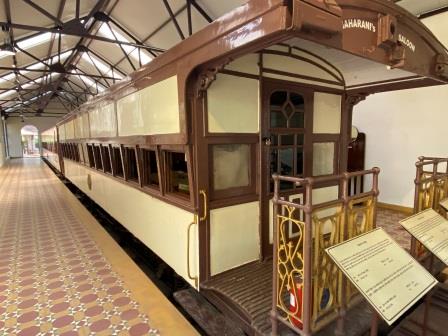
Metre Gauge carriageIn the Sri Ranga Pavillion are historic royal carriages from the time of the Maharani, including a saloon carriage dating from 1899.
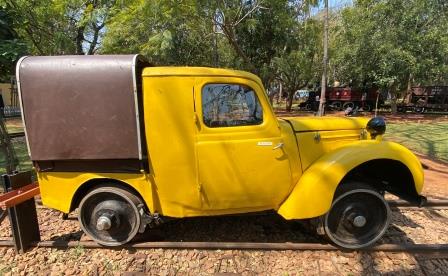
This 1925 model Austin Car, originally built to run on road, was fitted it with rail wheels and carried track inspection officials on the MG network.
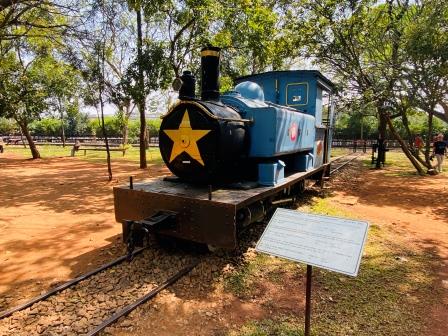
There were narrow Gauge engines on display as well. E 506 is a 4-6-2 supplied to Mysore State Railway (MSR). This ‘E’ class locomotive was built by Kerr, Stuart and Co. Ltd. and worked on the NG Bangalore- Bangarapet Railway.
This North Western Railway 2-4-2 NG Tank Loco No. 119 E used wood as fuel instead of coal. It was built in the year 1900 by WG Bagnall and Co. Ltd. Stafford, England.
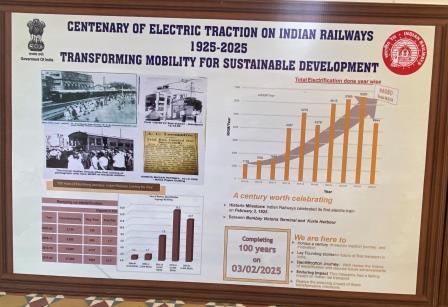
Given that in 2025 the country celebrated the centenary of electric traction in India, the walls contained several displays about the history of electric trains in India.
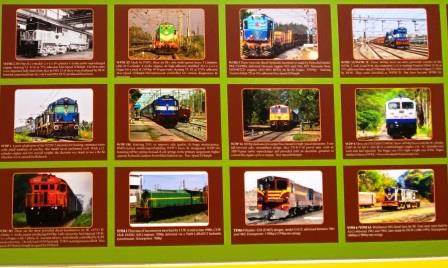
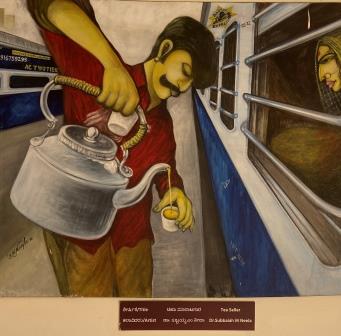
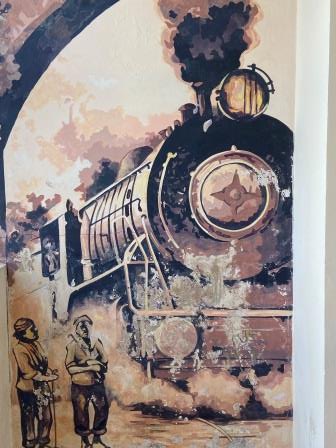
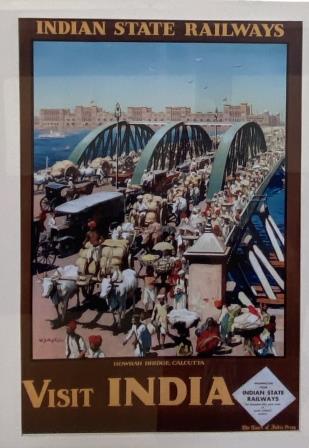
The walls were covered with posters charting the development of steam, diesel and electric traction on Indian Railways.There was also a large collection of railway posters and art
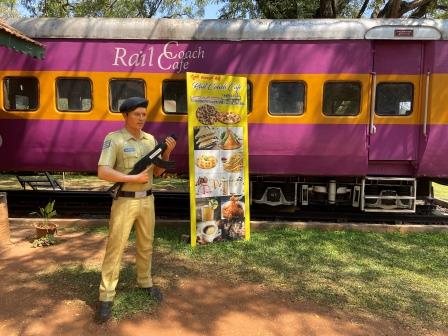
The museum included two cafes, one of them housed in an old MG carriage.
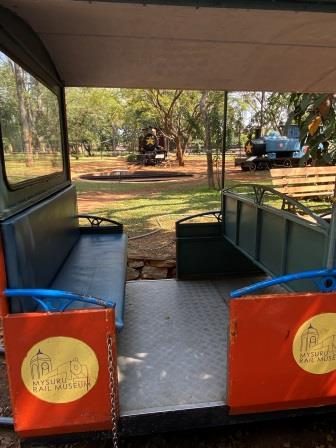
The whole thing was complemented by a Mini Toy Train which took visitors on a tour of the grounds.

 Trains To Beyond