Nagoya (342km/213.7 miles)

The platform layout at Nagoya is similar to that at Shin-Yokohama: two island platforms serving four tracks. All trains stop here, and it is the first calling point for the fastest Nozomi services after Shin-Yokohama. When services began in 1964, this was the first stop out of Tokyo for the then-fastest Hikari trains.

This is the only place on the whole line where slow trains stop and are overtaken by faster trains that also stop. The layout here is designed to enable cross platform interchange between them.
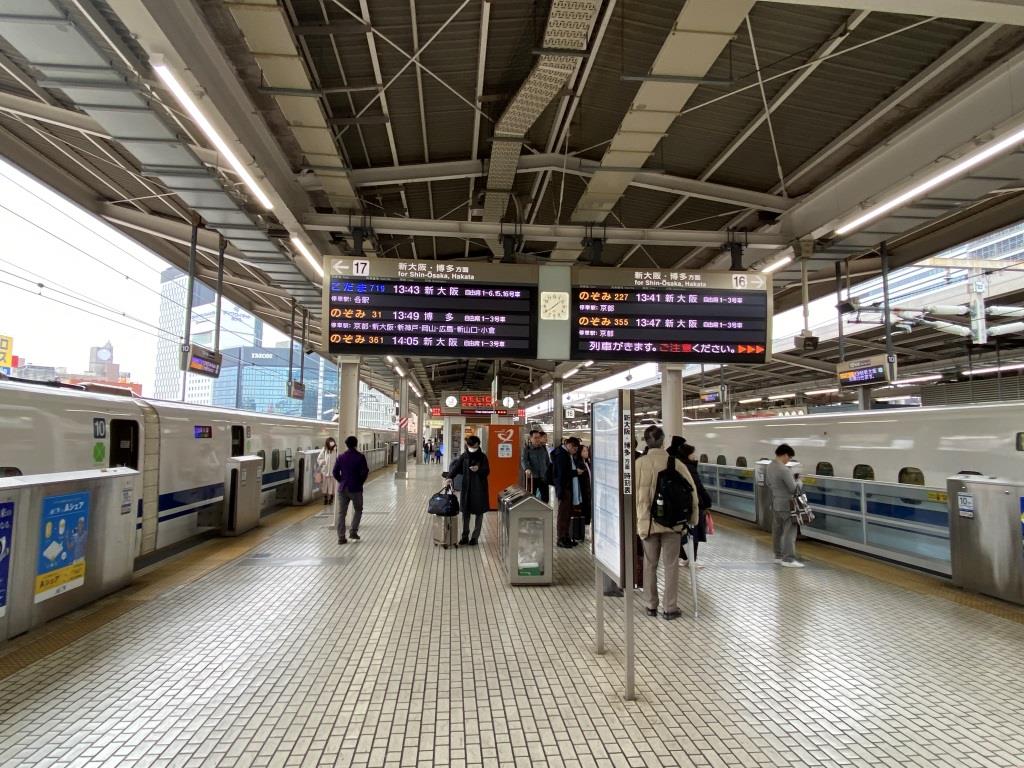
My own train, Kodama 719, stops here for 6 minutes to provide interchange with a Nozomi service to Hakata. This is not my first ever visit to Nagoya, so rather than exiting the station I decide to just wander along the platform and switch carriages from the rear of the train to the front.
In and around Nagoya Station
Nagoya Station is vast and claims to be one of the largest if measured by floor space. Not only does it have a maze of connecting corridors lined with shops, it also includes the tallest station building in the world, a 50-storey complex which houses the headquarters of JR Central.

The conventional JR station opened in 1886 and today serves the Tokaido Line, Chuo Line, and the Kansai Line. The Aonami Line which provides access to the SC Maglev and Railway Park (Shinkansen Museum) also starts here.

The main station building is located on the east side of the tracks and close by are stations for the private Meitetsu and Kintetsu railways. The city subway also serves the station. Nagoya easily fits into the list of busiest fifty stations in the world.

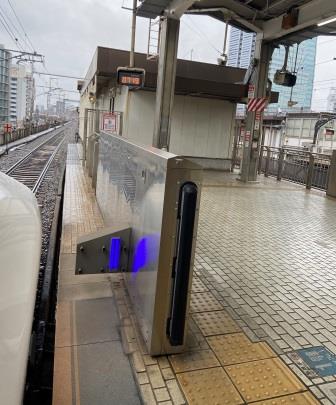
The Shinkansen platforms are located on the much quieter western side. Their own exit opens on to a small square surrounded by a few shops and business hotels.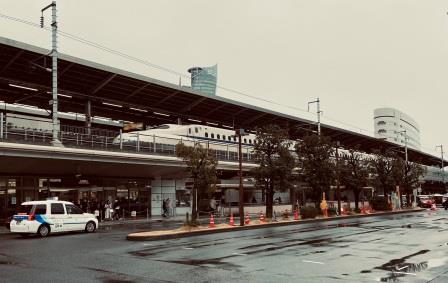
One of the special bento lunch boxes on offer at the station has picture of Nagoya castle on it and contains some local favourites including misokatsu (fried pork cutlet in miso sauce) and tenmusu (tempura shrimp rice ball).

Train #7 (cont.) – Nagoya to Gifu-Hashima
At 13:43 we set off again on Kodama 719. One of the half-hourly Kodama services from Tokyo terminates at Nagoya, the other, like this one, continues on to Shin-Osaka.

As we head out of the station there is a fork and a short branch leads from the centre tracks, crosses over our path and heads to Nagoya Depot, out of sight, just to the west. The trains that start and end their journeys at Nagoya are serviced here.
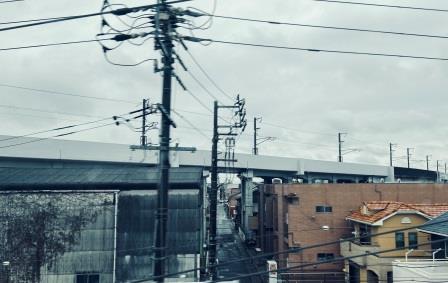
We gingerly make our way on the elevated tracks picking up speed, peeling off from the old Tokaido Line once more and heading in a straight line. We are around 350km from Tokyo here.
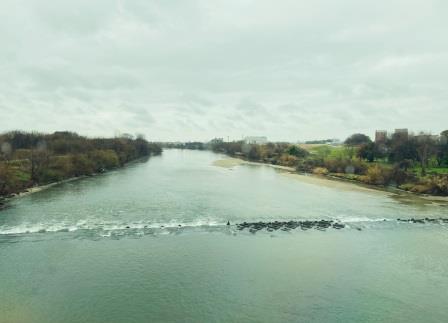
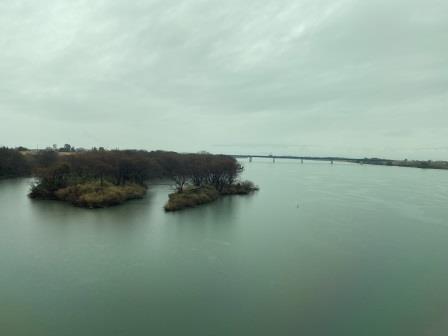
The suburbs of Nagoya do not provide the best scenery, but after a few more minutes we pass over the impressive Kisogawa Bridge (1001m) and enter Gifu prefecture.
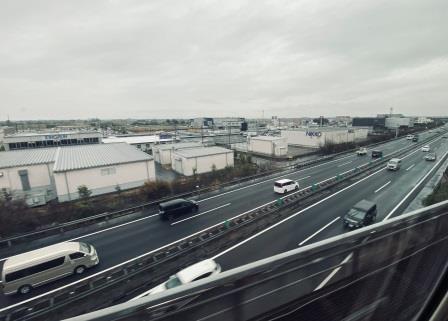
The Meishin expressway comes to join us, and we are alongside it for a moment before passing over it.
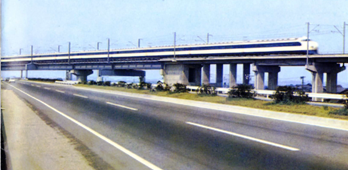
This scene is another that has often been used to publicise the line over the years, especially in the 1960s when both motorway and bullet train were presented as the face of the new Japan.
We slow down for the stop at Gifu-Hashima and come to a halt in the station at 13:58. Our journey time of just 10 minutes for the 25km compares with 13 back in 1965.

 Trains To Beyond