A lot has been written over the years about how the Rhodesian / Zimbabwean railway network emerged. This is my own modest account. It consists of a brief historical overview, details of the Bulawayo and Livingstone (Sawmills) railway museums and a gallery of locomotives and rolling stock.
The Political Background
For a quarter of a century after the railway’s arrival in Bulawayo in 1897, Rhodesia, was directly controlled by the charter company that Cecil Rhodes himself had helped to form, the British South Africa Company (BSAC).
Direct rule by the BSAC ended in 1923 and the self-governing British colony of Southern Rhodesia was then created. In 1953, without changing its status as a colony, it became part of a federation alongside two British protectorates, Northern Rhodesia (present-day Zambia) and Nyasaland (present-day Malawi).
In 1964, following the independence of the two protectorates, the colony became simply “Rhodesia” and, after declaring itself independent in 1965, eventually emerged as the Republic of Rhodesia which, like South Africa, continued to be governed by a white minority.
The United Nations refused to recognise Rhodesia. Within the country, growing African nationalism eventually erupted into a bush war. Finally in 1980, after multi-racial elections, a new government headed by Robert Mugabe was formed, it was recognised internationally and the new country of Zimbabwe was born.
The Railway Network
Although the Rhodesian network was created by several nominally independent companies, it was ultimately under the control of the BSAC. Its basic shape developed from the intersection of two lines at Bulawayo and the extension of a third line from there northwards.
In 1897 the “Cape to Cairo” line from Mafeking reached Bulawayo. It had begun construction in 1894 and was routed via Bechuanaland (present-day Botswana), crossing the border at Plumtree. The company that had built it was initially known as the Bechuanaland Railway but was renamed Rhodesia Railways in 1899. The original intention had been to extend it to the north and construction began taking the line towards the Mafungabusi coalfield 150 miles north of Gwelo (Gweru), heading to its ultimate terminus in Egypt. When the Boer War broke out in 1899, supplies became difficult to obtain and work was suspended.
In 1902 another railway from Beria in Portuguese East Africa (present-day Mozambique) also reached Bulawayo. Construction of the line, initially known as the Beria Railway, had started back in 1892 within Portuguese East Africa. It had originally been built using 2ft (610mm) gauge but was later converted. It reached Umtali (Mutare) in 1898. Now known as the Beria & Mashonaland Railway, it was extended to Salisbury (Harare) in 1899, and then on to Gwelo (Gweru) to eventually meet the Rhodesia Railways’ line about 80km east of Bulawayo.
The discovery of more extensive coal deposits at Wankie prompted the abandonment of the original Mafungabusi plan and the Rhodesia Railways “Cape to Cairo” line was constructed north west to Wankie. It opened in 1903 and was thereafter extended onwards to Victoria Falls and then, through what would become Northern Rhodesia (present-day Zambia), via Livingstone, Lusaka, Broken Hill (Kabwe) to reach Ndola in 1909. In the 1920s, branches were built from Ndola to service the emerging copper mines in the area,
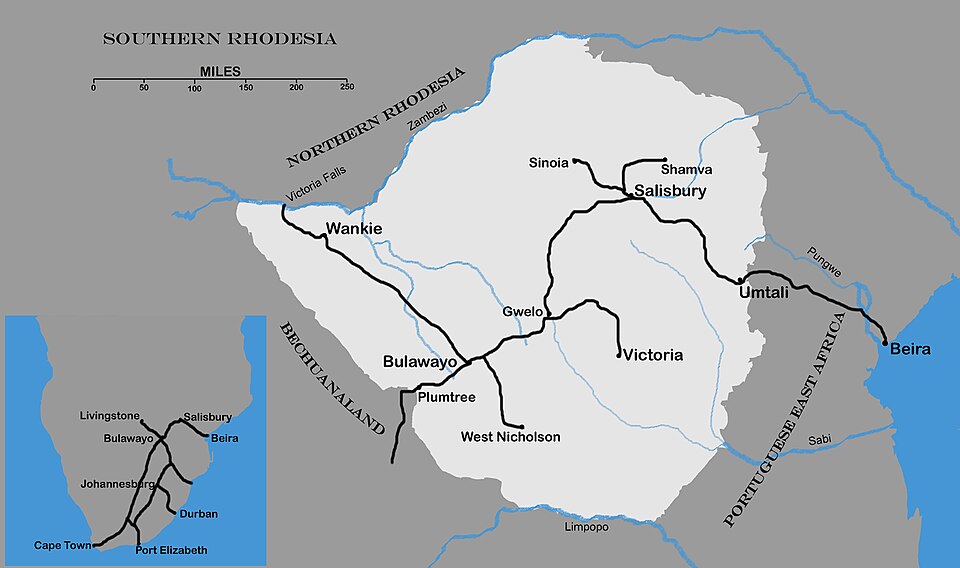
Rhodesian Railway Network 1927 / Funkycanute/ Creative Commons 4.0
The convergence on Bulawayo of the first two lines and the construction of the third northwards established the city at the centre of a three pronged Y-shaped network and ensured it became an important rail centre and eventually the site of the headquarters of Rhodesia’s railway system, a role it still plays in modern Zimbabwe. Eventually, augmenting this basic Y-shape was a network of branch lines, several of which had been opened to serve gold mines.

Post 1923
The development of Rhodesia’s railway network proceeded at a slightly different pace to that of the country. Whilst the BSAC gave up control of Rhodesia to the British Crown in 1923, it retained ownership of the railway system. In the 1920s and 30s the various BSAC-influenced companies that had operated the network were consolidated into Rhodesia Railways Ltd. which, although still based in Bulawayo, continued to operate all sections of its lines in Northern Rhodesia (present-day Zambia), Bechuanaland (present-day Botswana) and Portuguese East Africa (present-day Mozambique).

After the Second World War, the growing Rhodesian economy called for expansion of the system as well as better links with neighbouring countries. Several lines were completed after 1947 and are shown in green on the map below. The system was nationalised in 1947, although it retained its Rhodesia Railways name.

In the mid-1950s a link to the Mozambique border was constructed via Rutenga and then a branch off to Beitbridge on the border with South Africa was opened in the mid-1970s. More recently, in the 1990s, a second line on a more direct course from Bulawayo has also reached Beitbridge via West Nicholson.
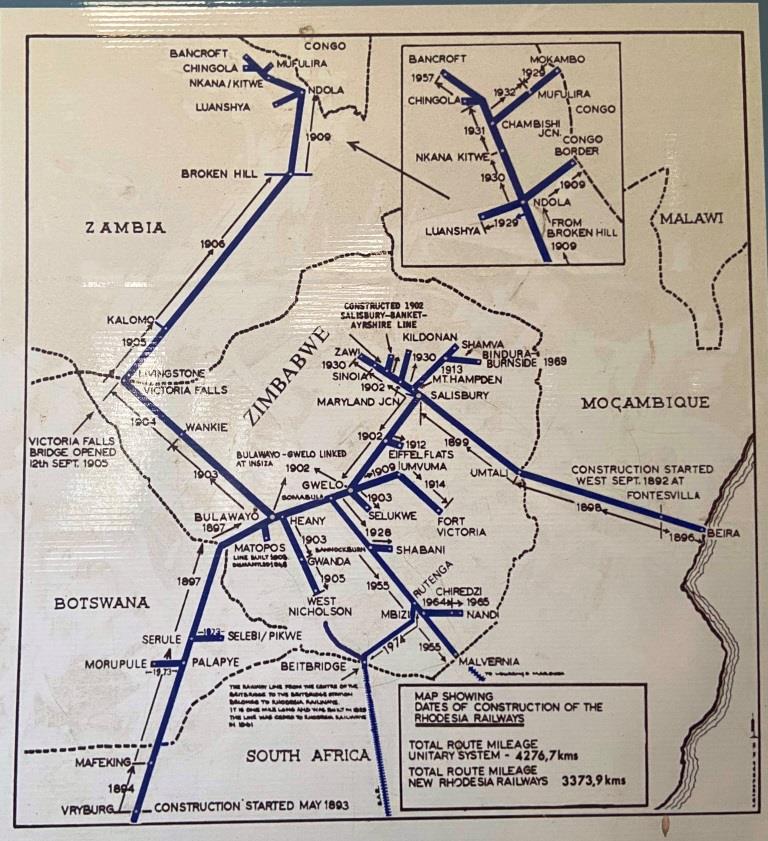
The Network Splits
With Zambian independence in 1964, Rhodesian Railways relinquished its network (basically the main line from Livingstone to Ndola and its branches in the Copperbelt) in what had been Northern Rhodesia. The newly formed Zambian Railways took over its share of locomotives and rolling stock. The line from Umtali (Mutare) to Beria inside modern-day Mozambique was also given up at the same time, although operations inside Botswana continued until 1987.
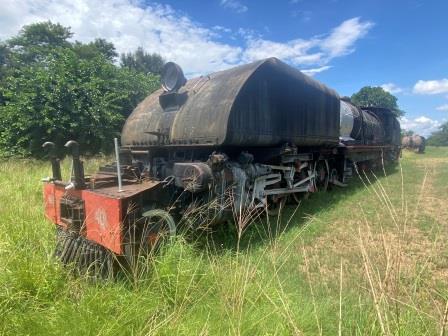
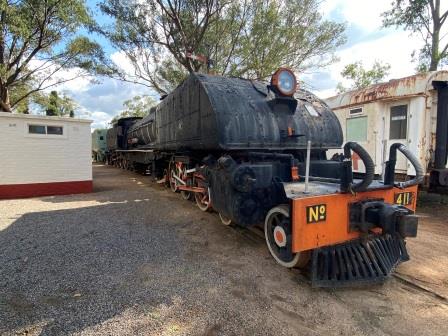
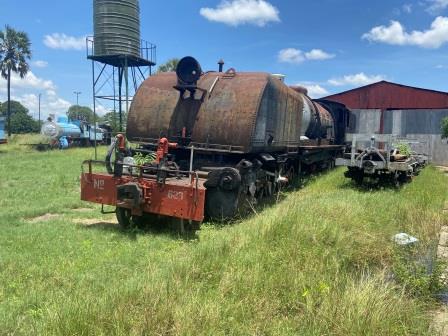
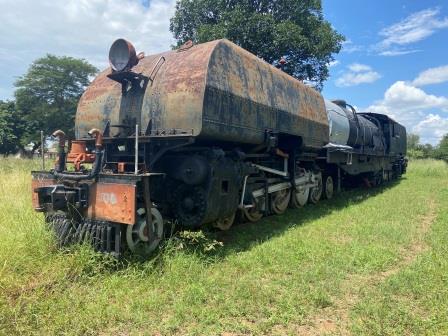
Rhodesian Railways were heavy users of the articulated “Garratt” locomotives. These powerful engines, almost all of which were built at the Beyer Peacock factory in Manchester, England, were well suited to the steep gradients and tight curves found around the network. Although the early 1950s also saw new diesel locomotives, deliveries of Garratts actually continued until 1958. In 1976, 100 of Rhodesia’s remaining 109 Steam locomotives were Garratts.
Rhodesian Railways eventually became the National Railways of Zimbabwe (NRZ) in May 1980. Modernisation continued with the electrification (now sadly defunct) of 350 km of line between Harare and Gweru (Gwelo) in 1983 and the delivery of more powerful diesels. Steam haulage endured into the early 1990s. A small fleet of steam locomotives is still used on special tourist trains.
NRZ Today
The current NRZ network stretches to about 4,200 km (2,600 miles). At its peak back in the 1990s it was shipping 12 million tons of freight a year, although, hastened by a sharp decline in the country’s agricultural and mineral output and confounded by the poor state of NRZ’s infrastructure, it had fallen to 3 million in 2023.
Nevertheless, the freight situation does seem to be improving now. Zimbabwe’s mineral output is increasing as a result of Chinese companies establishing iron ore, steel, chrome and lithium operations in the country. Their need to ship via ports in Mozambique has created traffic for NRZ. Private rail companies are also entering the market to increase capacity, most notably the South African company Grindrod which currently operates the Beitbridge to Bulawayo Railway.
The Bulawayo Railway Museum
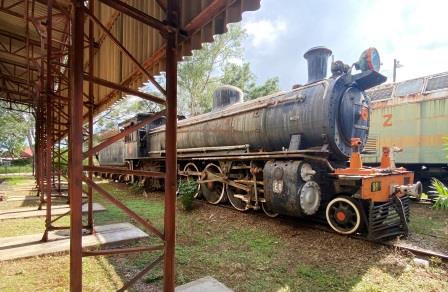
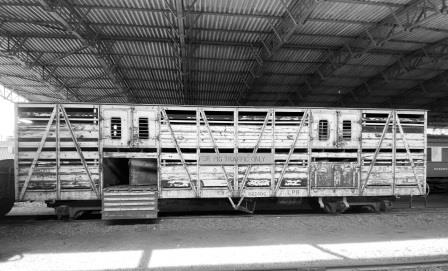
The Bulawayo Railway Museum was established just south of the main railway station in 1972 to preserve Rhodesia’s railway heritage. The main office is actually a real station building. “Shamva Station” was taken from its original site hundreds of miles away and reassembled in Bulawayo.


The Sawmills Museum
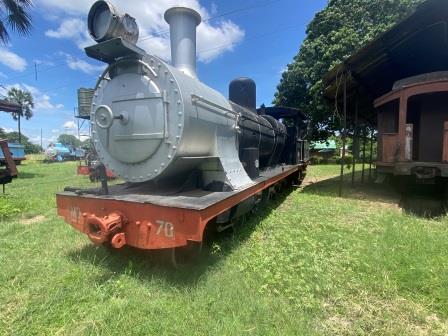
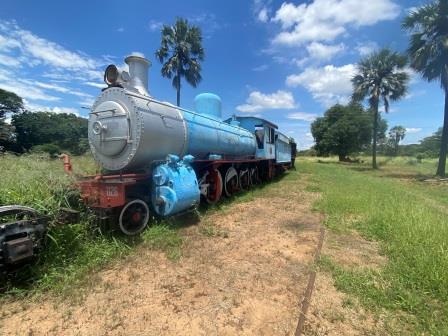
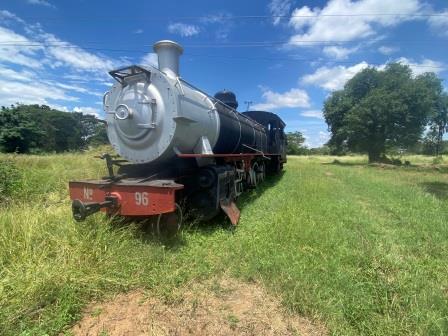
The Railway Museum in Livingstone, Zambia is dedicated to preserving the country’s railway heritage. It was opened in 1987 by President Kenneth Kaunda. Its main collection of locomotives used to operate on the railway between Mulobezi and Livingstone. The line, which eventually became the Zambezi Sawmills Railway, was constructed to carry timber and opened in 1923/4. In addition to its “own” engines, the museum is also home to several ex-Rhodesia Railway locomotives and carriages.

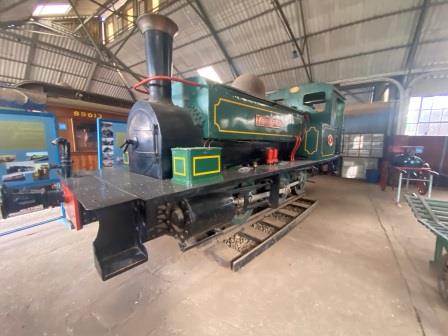
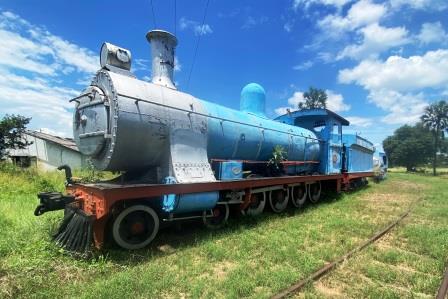
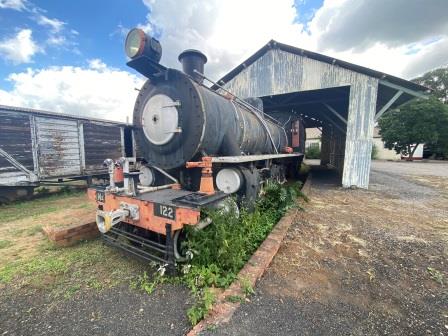
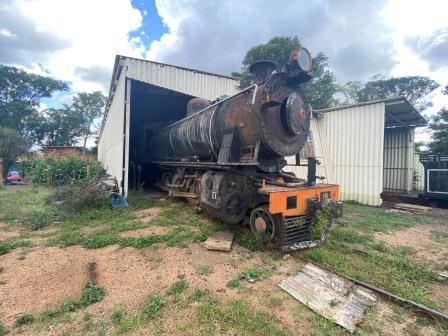
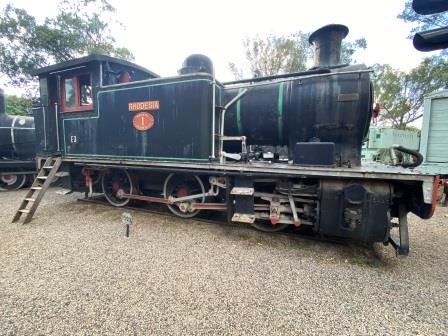
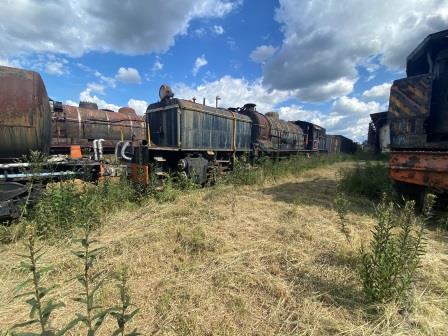
Gallery – Steam Locomotives
Locomotives are listed in chronological order (by build date)









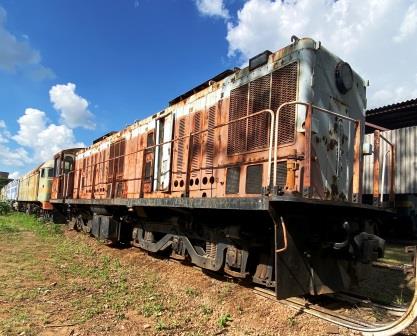
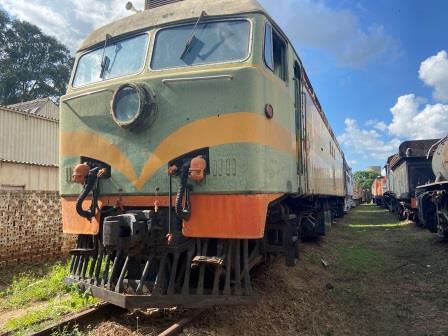
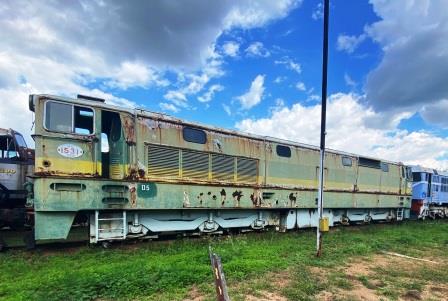
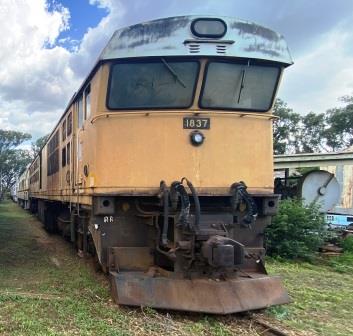
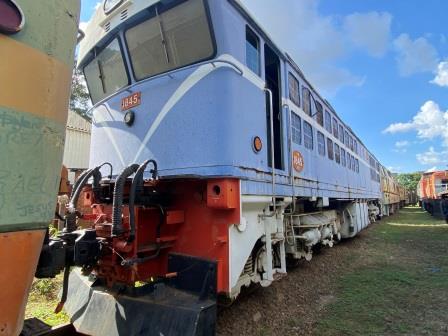
Gallery – Diesel Locomotives
Locomotives are listed in chronological order (build date)



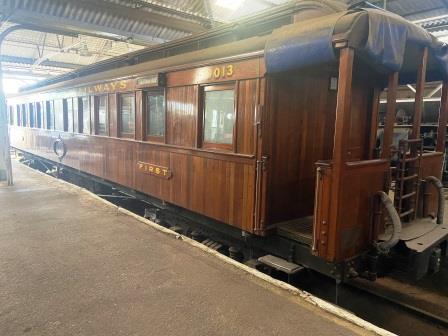
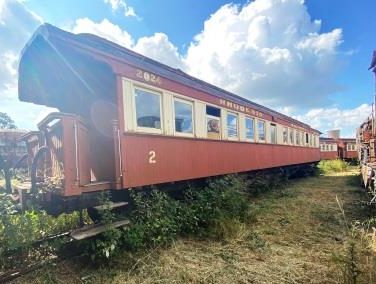
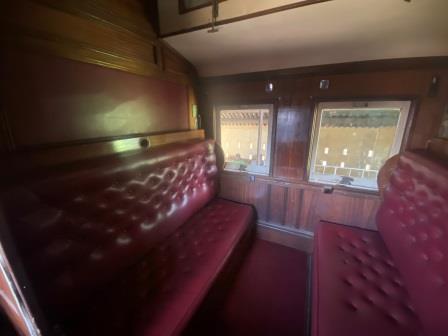
Gallery – Rolling Stock
Vehicles are listed in chronological order (build date)


 Trains To Beyond
