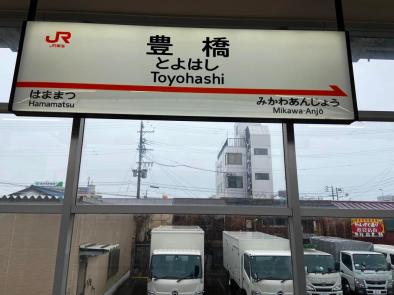
Toyohashi (274.2km / 171.3 miles)
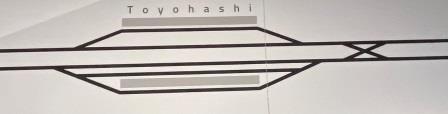
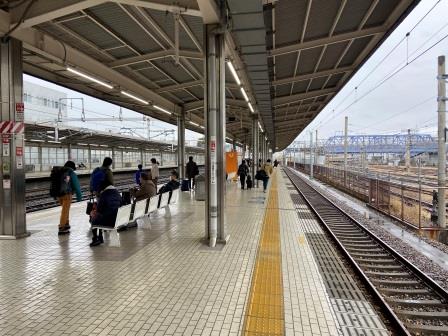
The track layout at Toyohashi has the same side platforms and centre through roads as at Odawara, Shizuoka and Hamamatsu, yet here there is another platform on the Tokyo-bound side. It seems that this extra platform (number 11) gets little use, and I assume it is there for extra provision in times of disruption.
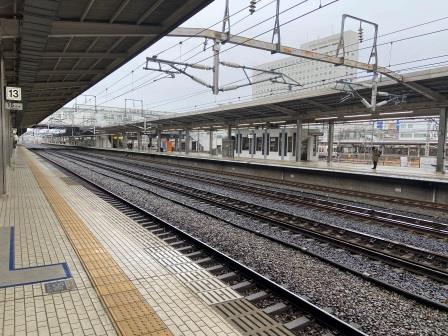
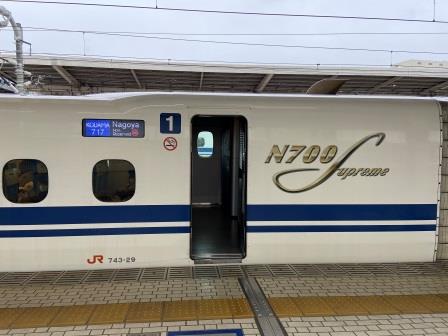
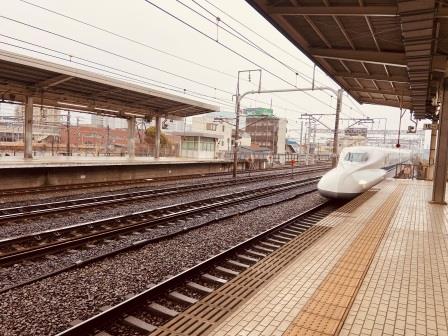
I watch the lovely new N700S that I have just alighted from leave the platform and then I go for a little bit of a wander around the rest of the station, starting with Platform 11.

Unusually, the Shinkansen tracks are not elevated here, and from platform 11, I get a view directly across to the conventional station. Toyohashi opened in 1888 and as well as being a stop on the Tokaido Line, it is the southern terminus of the JR Iida Line, and is also served by the private Meitetsu Nagoya Line.

Toyohashi gets the regular half hourly Kodama service, and there are also Hikari trains roughly every two hours. They normally travel nonstop from Shin-Yokohama and give the city a very reasonable transit time from Tokyo of around 80 minutes.
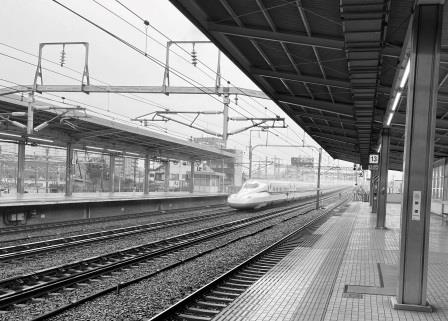
The main station building as at all the other stations I have visited since Shin-Yokohama is on the opposite side, and it is accessed here via the east exit. I head instead towards the Shinkansen exit on the west side.

As I head away from the platforms, I climb rather than descend. The fact the Shinkansen tracks are on the level here mean that it is only one of two locations on the whole line where passengers use an overbridge rather than an underpass.

In and around Toyohashi Station
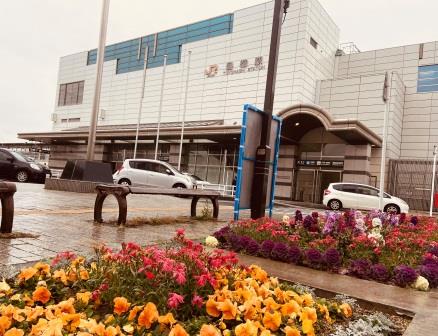
I have a quick wander outside, exiting on the Shinkansen side. I don’t linger as it is starting to rain, but I stay long enough to admire the attractive flower beds in front of the station.
It is almost 13:00 and my mind turns to lunch. There are notices all over the system at the moment warning that, following the recent abolition of the trolley service, there is no longer any food available to buy on any of the Tokaido Shinkansen trains. One of these warning signs greets me as I pop into the bento lunch shop on the concourse above the tracks.
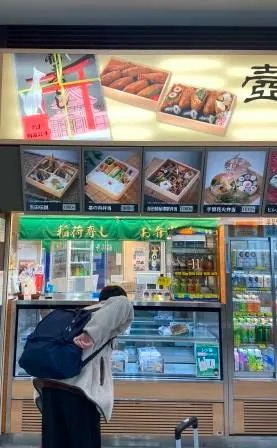
My eyes are drawn to the colourful display just above the kiosk window. It is advertising the house special Inari Sushi Bento; the wrapper has a picture of a red Torii gate on it. I decide to go for it and get a can of beer as well. Clutching my purchase, I go back down to the platform.
Train #7 – Toyohashi to Nagoya
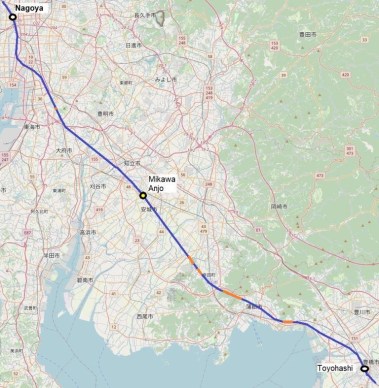
My next train arrives; Kodama 719 bound for Shin-Osaka. We depart at 13:08 and quickly leaving Toyohashi behind, cross the Toyokawa and then continue to skirt the coast for a bit before turning inland.
The first short tunnel we come to is another planned as part of the prewar project and used in the 1950s to take one track of the Tokaido Line before being returned for the Shinkansen.

We keep the Tokaido Line itself close for a while and then head off through a series of three tunnels; the first, Sakanosaka (2,713m), is the longest.
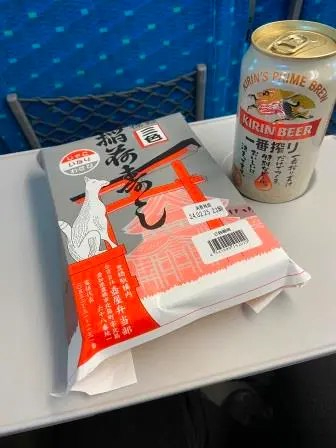
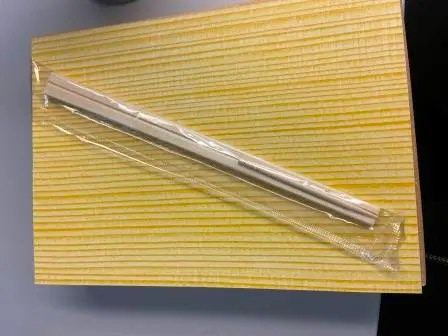
I am now sitting in a totally empty car 16 right at the rear of the train. I admire the wrapper of my bento before quickly removing it to reveal a balsa wood box with a pair of chopsticks and a toothpick in a plastic wrapper.
Inari Sushi is traditional sushi (vinegared rice) tucked inside sweet and salty deep-fried tofu pockets. This particular bento features three traditional pieces and then two half pieces covered with tiny, dried whitebait and two more covered with boiled horseradish. It is delicious, a perfect light lunch, and goes really well with the beer.

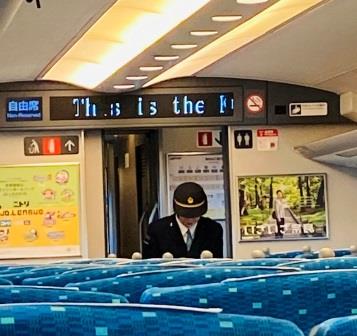
As I am eating, the lady conductor emerges from her room at the back of the train and walks past me. As she gets to the front of the carriage she turns and bows. I am used to this happening but given I am the only person in the carriage, it does amuse me.
The train slows down to make a brief stop at Mikawa-Anjo. This is the third of the trio of stations opened in 1988 and the final station before Shin-Osaka that wasn’t open in 1964. Here we are 312km out of Tokyo.
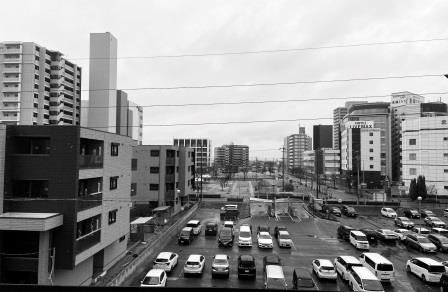
The station is located where the Shinkansen diagonally intersects the Tokaido Line, and two platforms have been provided on the old line downstairs. The two platforms upstairs have, not surprisingly, been provided at the side of the main running lines. As we depart a Tokyo-bound Kodama comes to a halt on the other side.

We carry on, encountering more and more built-up areas as we get closer to Nagoya. The city is obviously a big freight hub, and we pass a yard full of container trains. It is incredible to imagine now that before it was opened the Shinkansen was also envisaged as a freight carrier, with container trains travelling mainly at night.
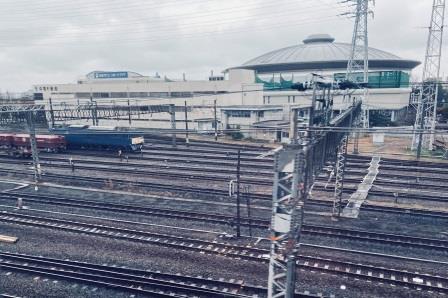
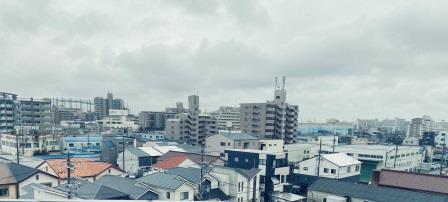
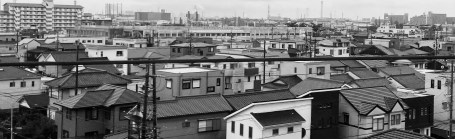
As we approach Nagoya we are running mostly on elevated track. Later Shinkansen projects made much more use of such structures, but here on the Tokaido they form an aggregate length of 103.8km (64 miles) which equates to around 20% of the total distance.
We slow down, weaving high above the city and alongside the Tokaido Line once more to come to a stop in Nagoya at 13:37. Our journey time of 24 minutes for the 67.8km compares with 25 back in 1965, although we have made an extra stop at Mikawa-Anjo. Non-stop trains run between the two points today and take just 19 minutes.
 Trains To Beyond