Takoradi Station
It took me about forty minutes to get the 2.5 km to the station. The station, understandably given its history, was located close to the harbour. The surrounding area, now encompassing several beaches, was full of hotels in the higher price range.

Just across from the station was a little square containing a monument to Sir Frederick Gordon Guggisberg (1869-1930), the Canadian-born Governor of the Gold Coast (1919-1927) who was instrumental in creating the deep water harbour at Takoradi and expanding the railway.

The station building itself was extremely attractive. I ventured inside to try to find information on whether the train would run. There seemed to be no one around to ask. 
I found a route map on the wall which confirmed what I already knew. The passenger service operated from here to Sekondi via a reversal at Kojokrom, a combined distance of less than 10km.
It was about 2pm in the afternoon and as I had initially expected the train might run back to Sekondi in the evening, I had been hoping to find it stabled in the platform waiting to return. But the station was deserted.

I walked all the way down to the end of the platform. The rails seemed a little rusty from disuse. I took this to be a less than encouraging sign.
Yet, in complete contrast to what I had found in Accra, the ballast, the buffer stops, the sleepers, everything looked first class. There were two platform faces and over to the left there were some sidings, presumably for train storage.
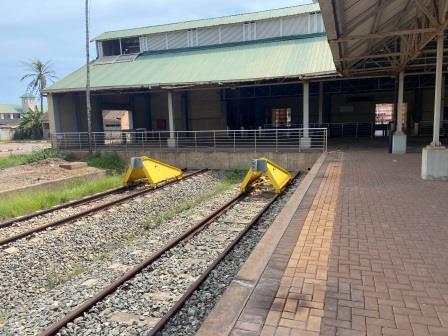
This line was rehabilitated in 2016 when the service was renewed and reequipped. It is part of a plan to modernise the whole line all the way to Kumasi. The project calls for a standard gauge line, but initially the railway was rebuilt using the original 3ft 6 inch gauge.
Nevertheless, as I looked down at the sleepers I could see that they were planning ahead. They were of a dual gauge variety. The indents where the track could be moved over to widen it, were already visible.

As I was just about to start walking back to the station building I spotted a guy walking up the tracks. He approached me and introduced himself as Emanuel, a manager at the railway. He asked what on earth I was doing standing on the station all by myself. I asked him if the train would be running later and he confirmed my worse fear that it would not. There was some fault or other that made it impossible, he explained.
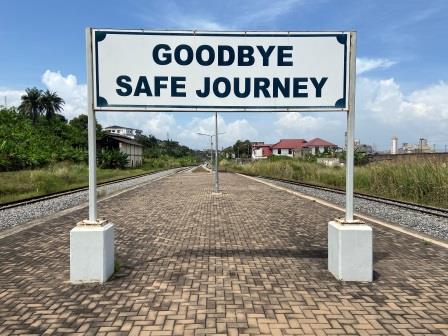
A Train Ride
He invited me back to the terminal building where, to my surprise, he explained they had a suite of management offices on the top floor. I was taken up there and introduced to the small team. Emanuel left me talking to the timetable planners and disappeared for a while.
He returned about twenty minutes later to announce that I was in luck, they had decided to do a test run with the diesel unit and he would ride with me to Sekondi station. The train would be arriving from Kojokrom in a few minutes.
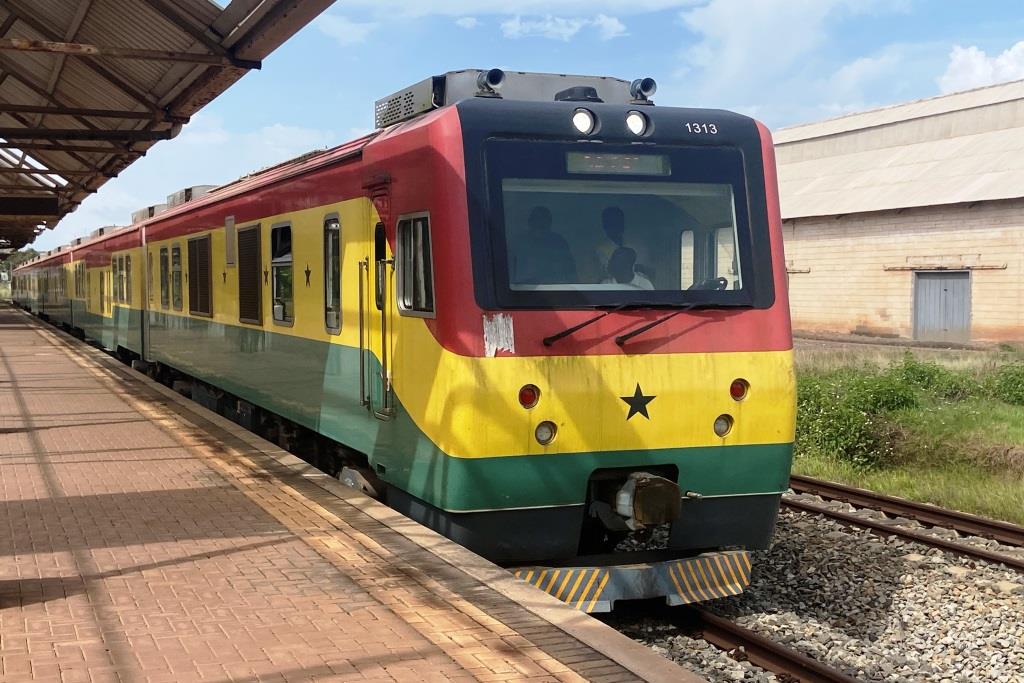
After about 10 minutes I was led back onto the platform where a 4-car diesel unit painted in the bright colours of the Ghanaian flag was just pulling in. There seemed to be a test team of around five in the cab and as they changed ends they beckoned Emanuel and myself to make ourselves comfortable in the train.

The little Chinese-built unit was pretty attractive inside, although the air conditioning was set a bit too low. As we trundled along, Emanuel chatted with me explaining his job and the grand plans for expansion of the Ghanaian Railway system. We moved at quite a sedate pace passing a couple of little halts along the way but in no time at all we were pulling into Kojokrom.

The two platforms at Kojokrom seemed to be waiting for better more intensive services to come in the future but were certainly overkill for the current service. We got out and had a little walk around whilst the driving team changed ends again, ready to take us to Sekondi.
A Little Bit of Bother
We set off again, initially in the direction we had come before branching off to the left. The line up from Takoradi had been double track but now we were on a single track section.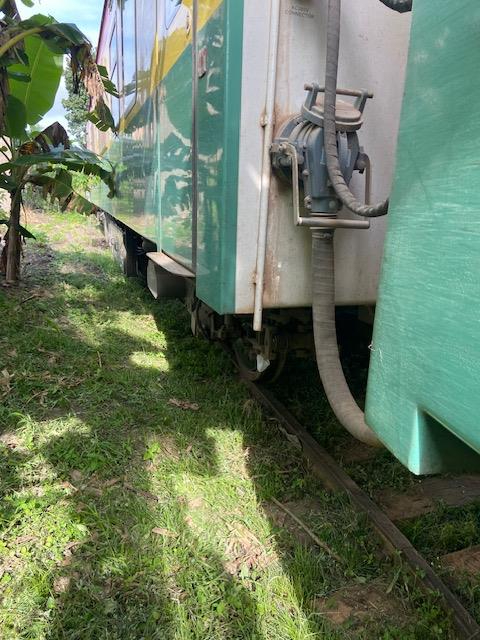
We had only been going for a few minutes when there was an enormous bang and the little train rocked from side to side and came to a halt. We were now a little lopsided. Emanuel was immediately on the phone trying to contact the driving crew but he couldn’t get through.

We sat there for about ten minutes until we saw someone walking past by the side of the track, we shouted and they managed to contact the drivers. The doors were opened and Emanuel and I climbed down onto the track and went up to the back of the train.
Everyone was looking at the back wheel set, it seemed to have suffered a minor derailment and the chassis itself was sitting down on the rails. It didn’t look too serious but it was clear we were not going to be making any more progress towards Sekondi.

I was just about to excuse myself when Emanuel beckoned me over. “We will have to walk a bit” he suggested and asked me to follow him walking along the track. As we left the train behind I kept asking him if it was really okay for him to abandon it, he assured me it was fine and told me that showing me Sekondi station was more important.
Sekondi Station
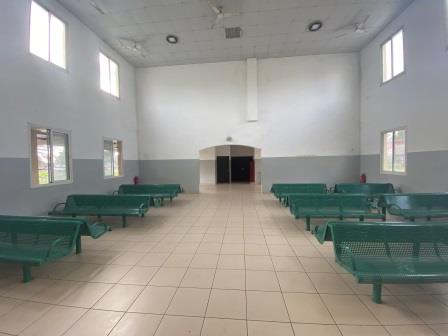
After about ten minutes’ walk we reached a level crossing and flagged down a taxi to Sekondi. Emanuel explained that the station building at Sekondi had also gone under a lot of development in the past 10 years and like the rest of the little system it looked ready to play its part in the reinvigorated Ghana railway network.

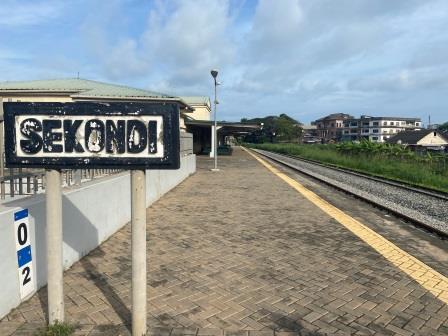
As we were walking from the station to the centre of Sekondi, Emanuel received a phone call from his boss. I didn’t understand exactly what was being said, but the gist of it was that the boss wasn’t too impressed. In the end, Emanuel decided to excuse himself and left me to wander into town by myself.

Sekondi
From the station, I walked the short distance to the centre of Sekondi. It was obvious from the buildings that this was much the older settlement of the twin town.

I climbed out of the town centre to get a view of the harbour, the large Ghanaian Navy base and Sekondi castle.
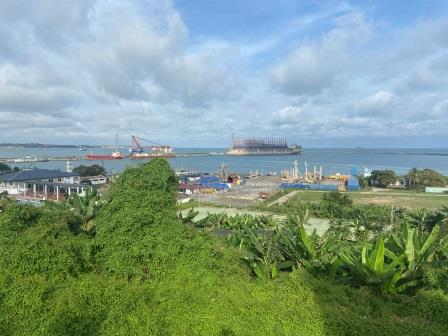
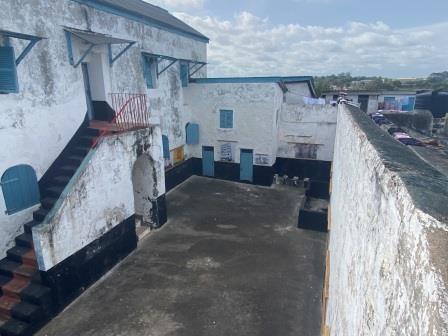
The castle here was originally a Dutch possession, built as a lodge, it was reconstructed in the early 1700s to become the much more fortified castle we see today.
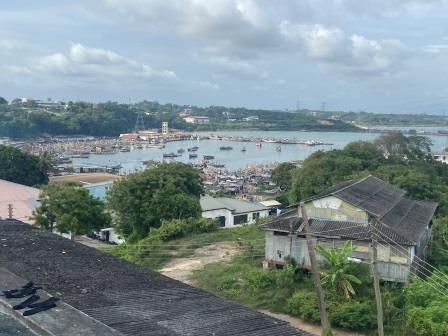
After the British takeover in the 1870s it was used as a lighthouse. It was nearing the closing time of 4:30pm, so the guard agreed to waive the usual entry fee.
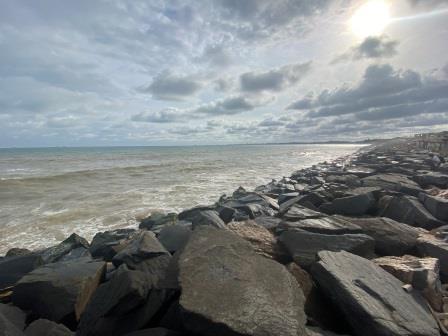
I concluded my visit to Sekondi with a look at the fish statue, also known as “Enam Ase”, it is a symbol of the importance of the fishing industry here. It was an easy place to get an Uber and using the 8km road direct along the coast, I was soon back at my starting point: Takoradi station.

Drunk as a Goat
I had intended to stay around the beach harbour area for a beer or two and perhaps have a bite to eat in one of the beach hotel restaurants.
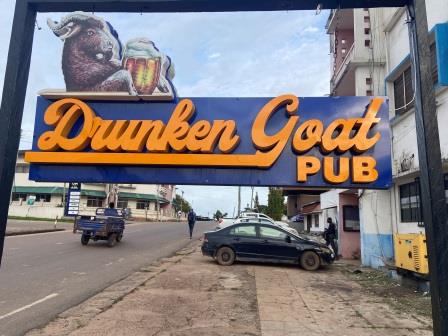
My first stop was the Drunken Goat, an established pub, a few blocks away from Takoradi station. I had a bottle of Club there whilst talking to the two female bar staff as they changed shift. Their experiences of living in Takoradi, were generally good, although they both harboured a dream to emigrate to the USA.
My next stop would have been Vienna City Beach, a place where I thought I could get a snack as I watched the sun go down. In the end I never got there, I spied a little local run bar, little more than a shack with a few tables, and decided to have a little stop over.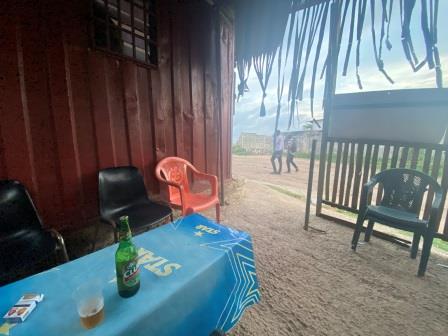
I got in with the little crowd, the landlady and a couple of her local customers, and spent the rest of a lovely evening chatting and exchanging stories. I even met a local guy who had been born on the same day as myself back in 1964.
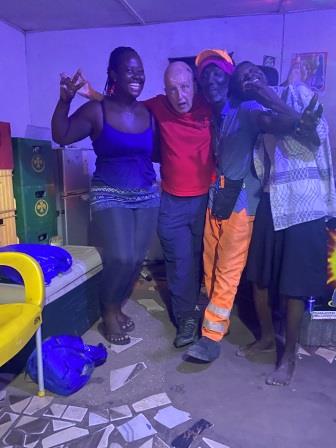
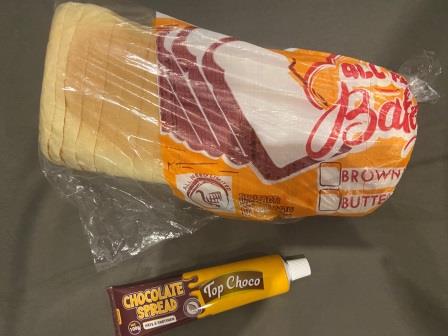
Eventually, I called an Uber and returned to the Airbnb, still not having eaten anything. There weren’t really any rich pickings at the little shop next door: I ended up with a loaf of bread and a tube of chocolate paste.
Continue = Tro Tro to Cape Coast
 Trains To Beyond