Walks and train trips around India’s biggest city
Rails in Mumbai
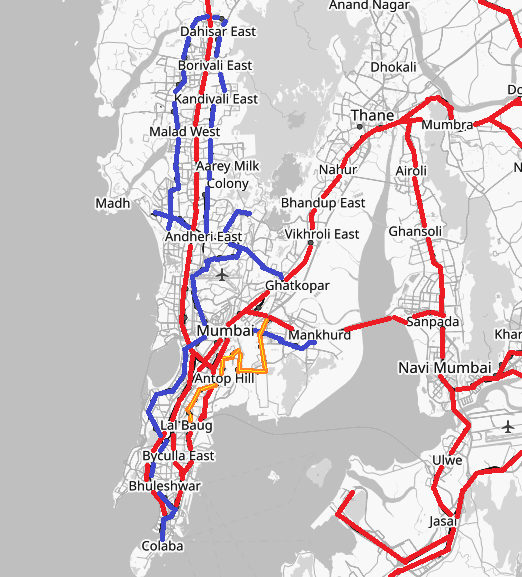
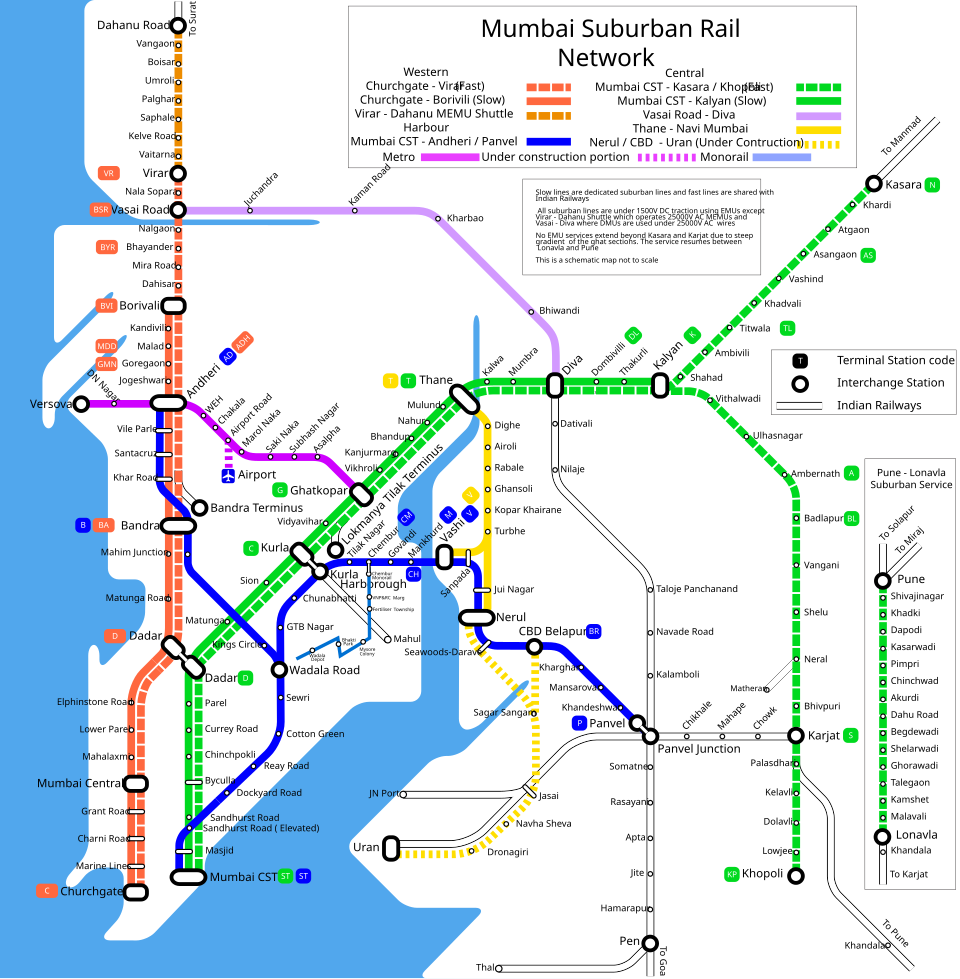
Mumbai’s 435km suburban rail network is Asia’s oldest and carries 7.5 million people a day across seven lines. Meanwhile, the city’s new Metro system is rapidly expanding with four operational lines and several others under construction. Both of these networks are complimented by a single monorail line.
Mumbai
Mumbai is India’s economic powerhouse and a key port city. It plays a central role in the country’s finance and trade. The city has a population of around 12–13 million people, while its wider metropolitan area exceeds 20 million.
India’s financial capital is one of the world’s largest and most vibrant cities. It was originally made up of seven islands that were gradually joined together through land reclamation. Today, it sits on a narrow peninsula surrounded by the sea on three sides.
The Plan
I spent six days in the city in early 2026, staying in an apartment in Ville Parle with two friends. I took the opportunity to learn a little bit more about the railway system and to explore parts of the city on foot. 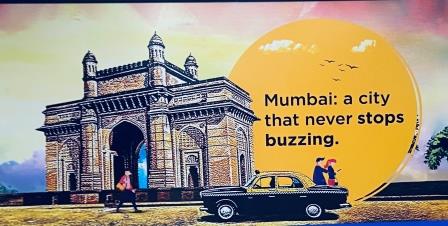
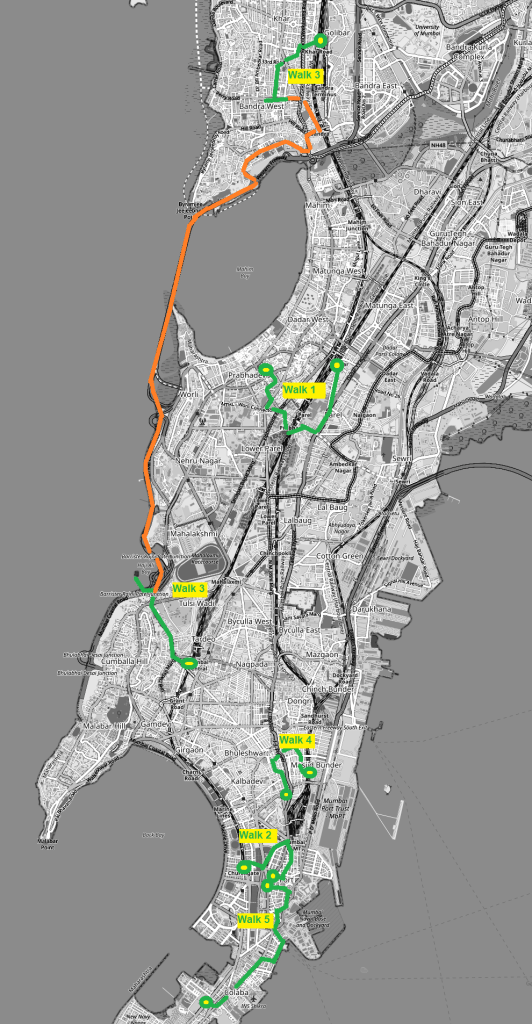
Here is a brief account of how the suburban railway developed and how the Mumbai Metro is now growing to complement it. Here also are details of the five walks we did between some of the stations.
The Origins of the Suburban Railway
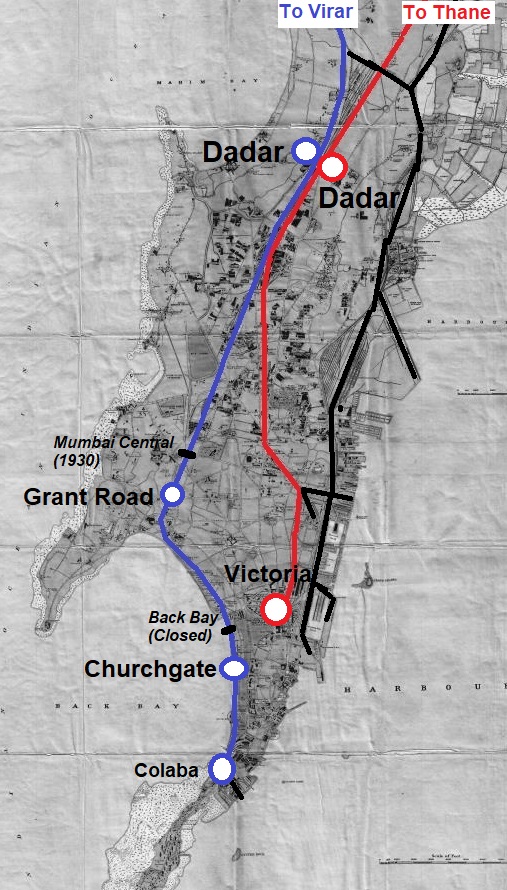
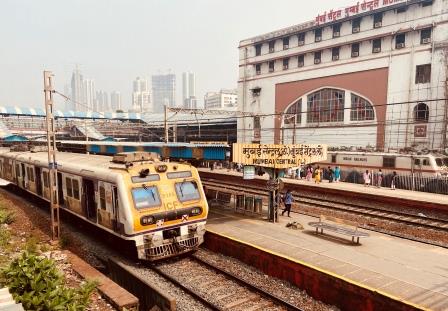
The history of Mumbai’s suburban network can be traced to the start of railways in India. The Great Indian Peninsula Railway (GIPR) opened the country’s very first line from Bori Bunder (later Victoria and now Chhatrapati Shivaji Maharaj Terminus) to Thane (34km) in 1853.
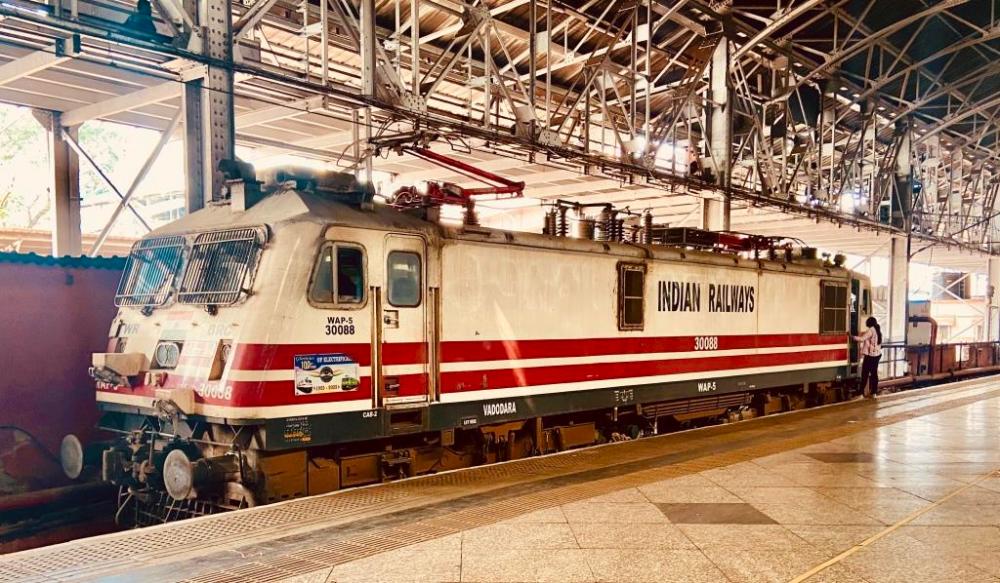
The line was extended to Kalyan Junction (54km) in 1854 and then along what is now the south eastern section of the Central Line to reach Karjat and Khopoli in 1856. The main line was then taken from Karjat over the Bohr Ghat towards Pune in 1863. Trains were using this route to link Bombay (Mumbai) with Madras (Chennai) by 1871.
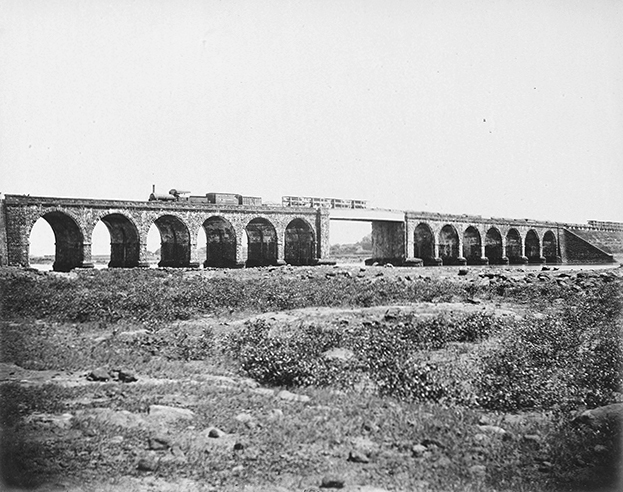
Meanwhile, the line from Kalyan Junction to Kasara (the current north eastern terminus of the Central Suburban Line) was completed in 1861. By 1865 that main line had climbed through the Thal Ghat beyond Kasara and reached Igatpuri. The GIPR began offering services to Calcutta (Kolkata) via this route in the early 1870s.
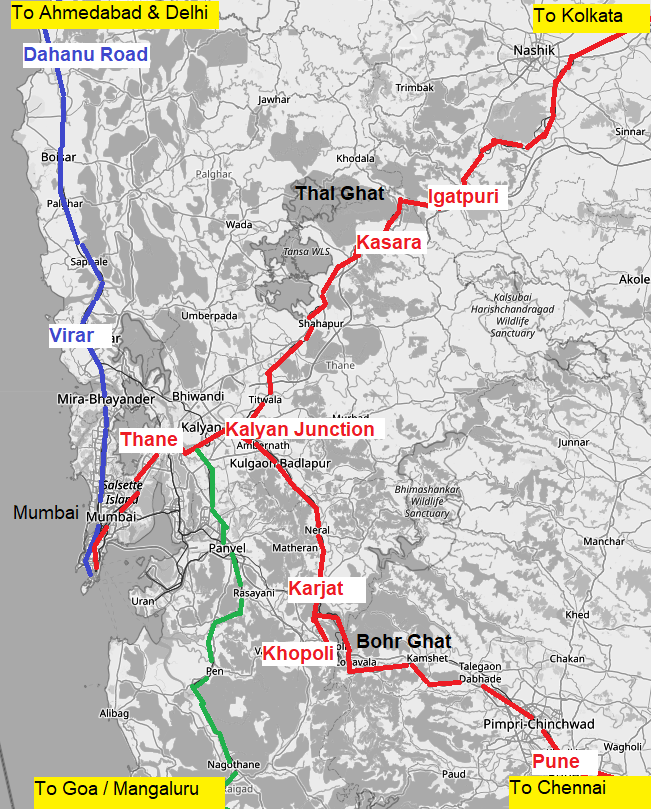
What eventually became the Western Line of the suburban system was created by a separate company, the Bombay, Baroda and Central India Railway (BB&CI). It had begun running trains in Gujarat and reached Grant Road, Bombay in 1864. By 1867 services were linking Virar and a short lived terminus, Bombay Back Bay, a little further south than Grant Road.
A station at Churchgate opened in 1870 and in 1873 the line was extended to Colaba. Main line services along this route also began serving Ahmedabad in 1870 and the line via Baroda (Vadodara) Junction eventually became the premier route to Delhi.
Walk One
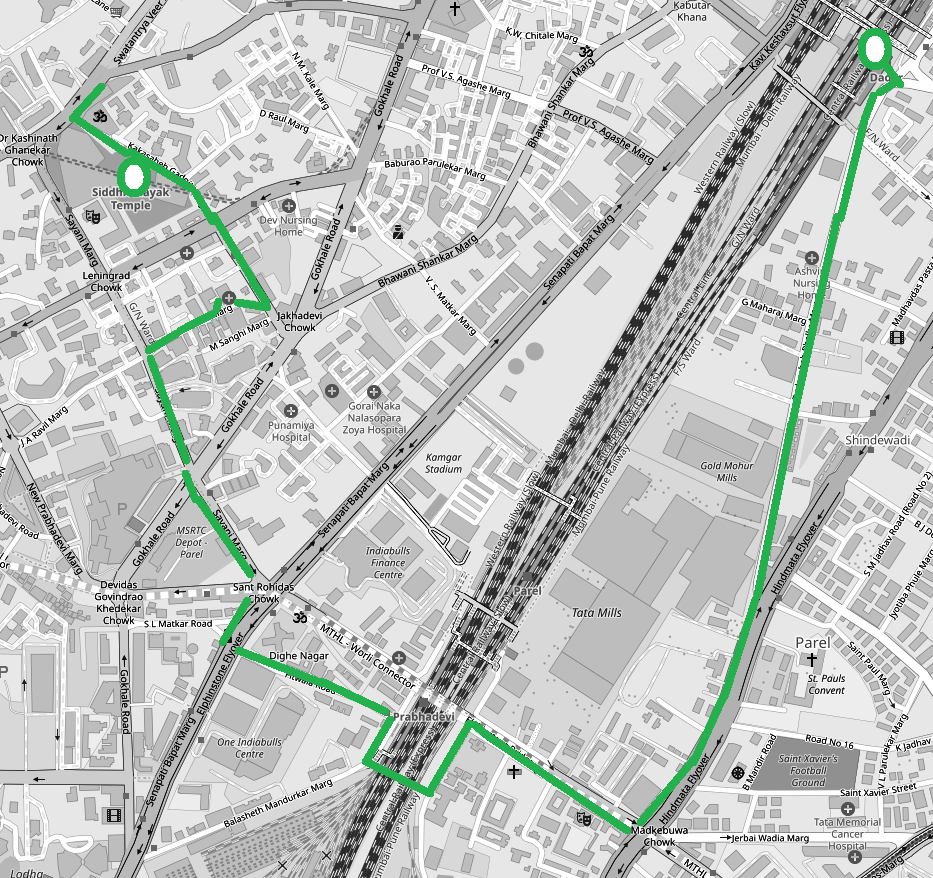
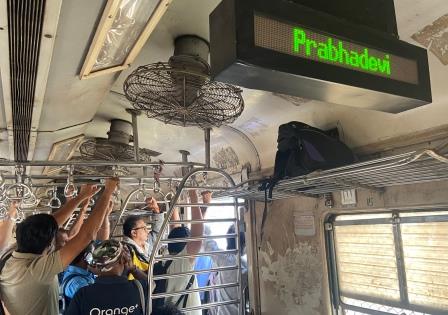
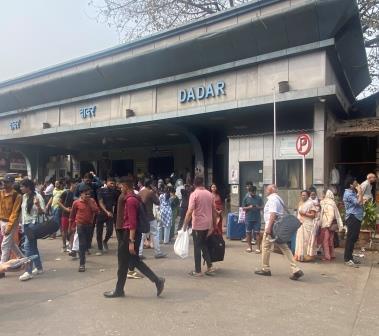
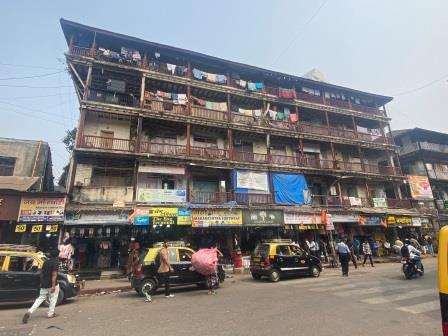
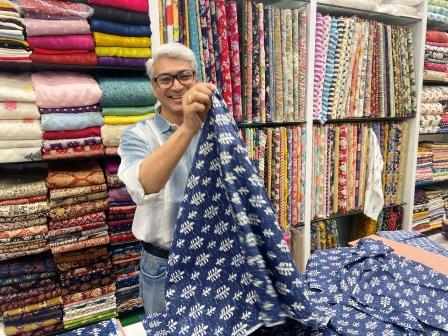
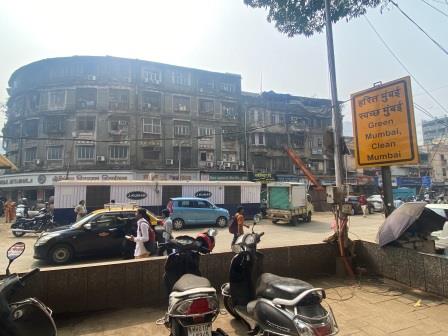
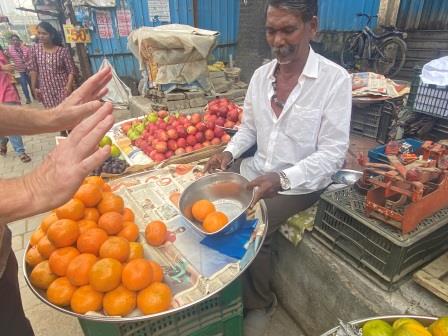
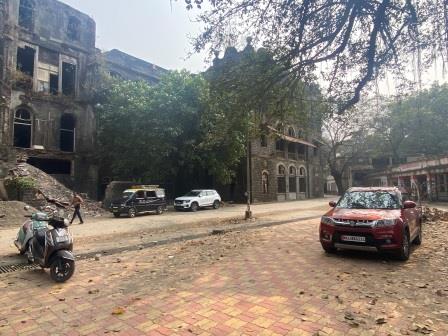
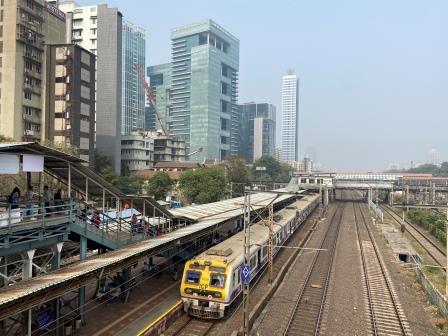
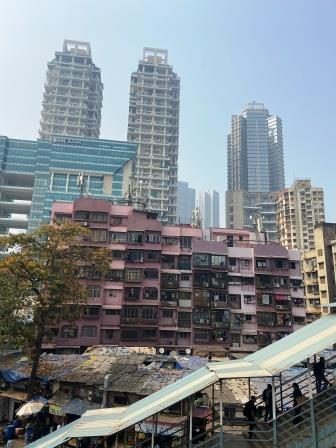
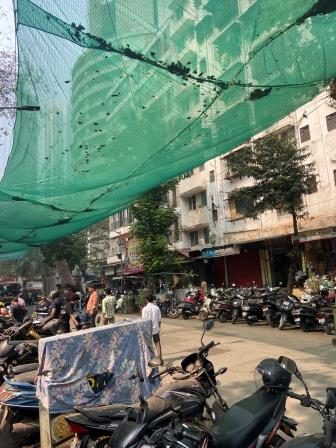
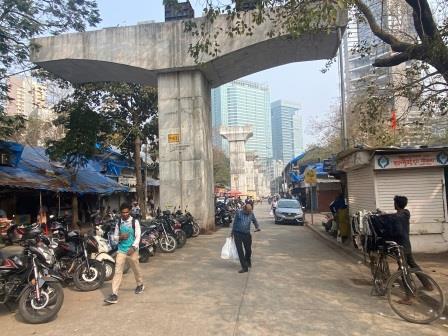
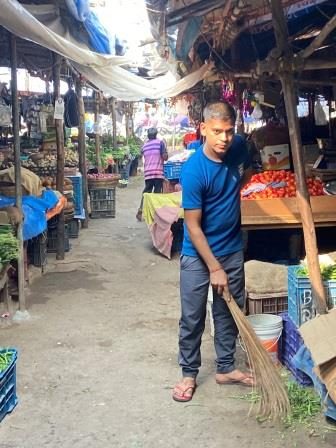
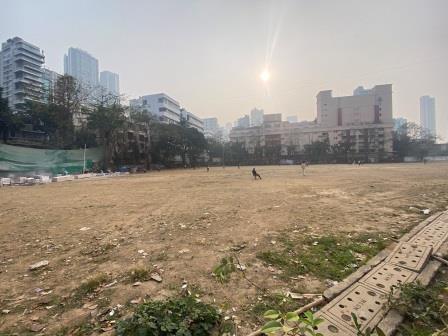
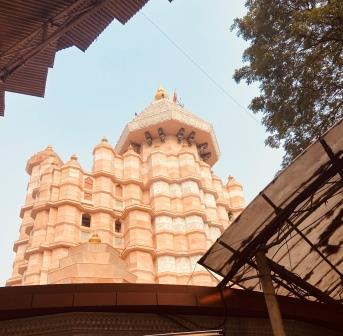
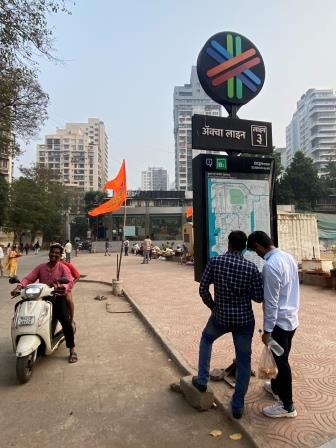
Our first walk began at Dadar (Central Line / Western Line) and took us south through the Dadar textile district. We then headed past Prabhadevi, towards Lower Parel and ended up at the Siddhivinayak Temple. We returned by metro from Siddhivinayak (Aqua Line).
The Suburban Railway Develops
The number of suburban services on both railways grew strongly during the latter part of the nineteenth century. Colaba was the main terminus on the BB&CI whilst Victoria (now Chhatrapati Shivaji Maharaj or CSMT) replaced Bori Bunder and was officially opened by the GIPR in 1888.
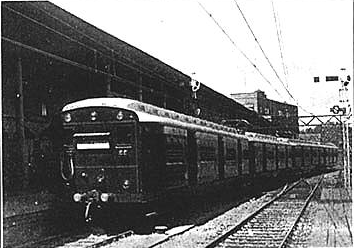
The first section of the third line serving the central area, the Harbour Line, was opened in 1910 between Kurla and Reay Road. Partly using pre-existing freight lines, it was connected back to Victoria in 1925 and electrified, using the 1.5 kV DC overhead system, to Kurla and Bandra. It was extended to Mankhurd in 1951. By 1930 the main lines to both Igatpuri and Pune had also been electrified.
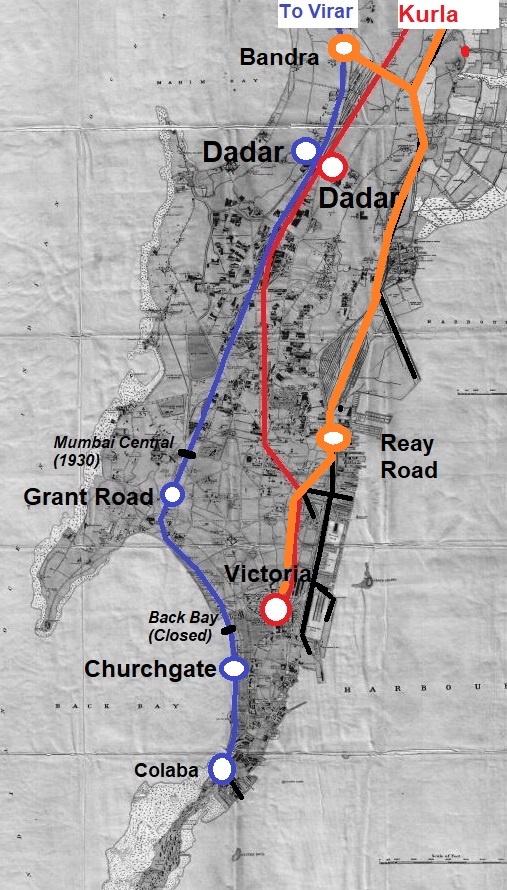
On the BB&CI, the first electric services began running from Colaba to Borivil in 1928. The wires had reached Virar by 1936. As the government needed land at the southern tip of the city for military use, Colaba Terminus was closed in 1930. Suburban services were cut back to Churchgate and main line trains began terminating at the new Mumbai Central station the same year.
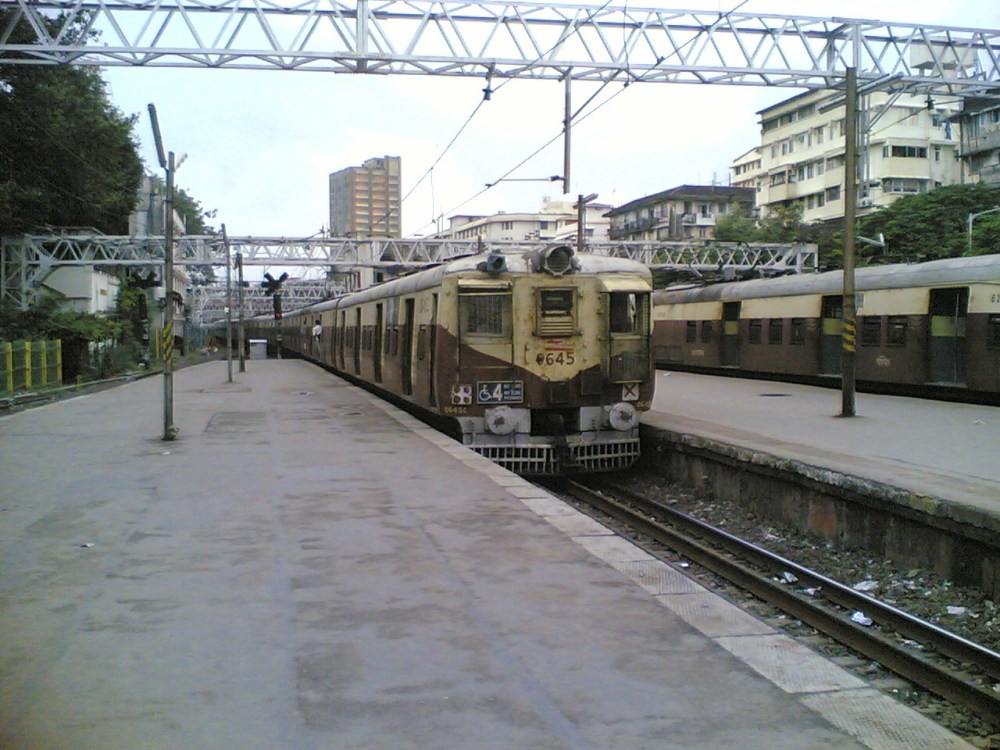
In 1951 ownership of the BB&CI lines out of Churchgate and Mumbai Central passed to the Western Railways zone of Indian Railways, whilst the Central Railway zone took over control of the GIPR lines out of Victoria Terminus. The suburban lines themselves gained the names Central and Western at this point.
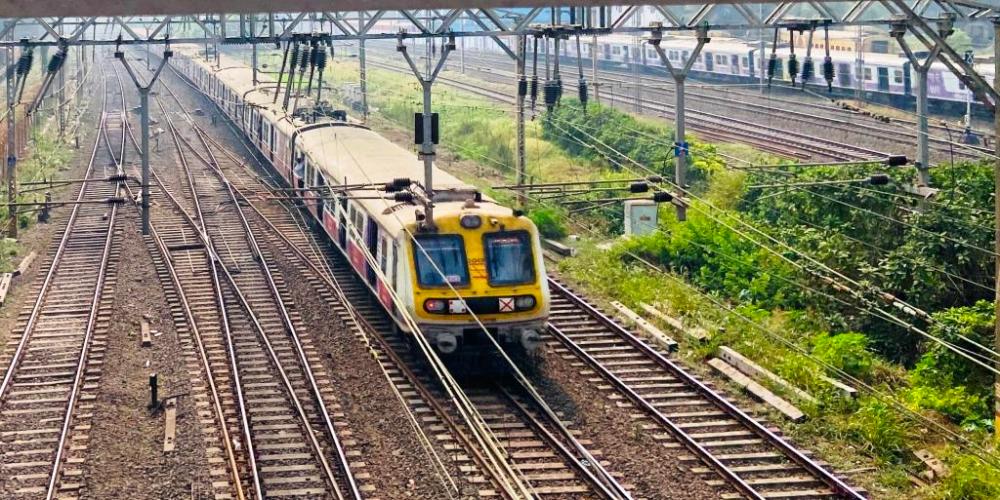
Ridership grew dramatically. By the 1950s the Central Line had been quadrupled and services expanded through Kalyan and eventually to Kholpuri and Kasara. Meanwhile, the Western Line was four tracked as far as Vivar. Train capacity also expanded with services being formed of 9-car, then 12-car EMUs.
Walk Two
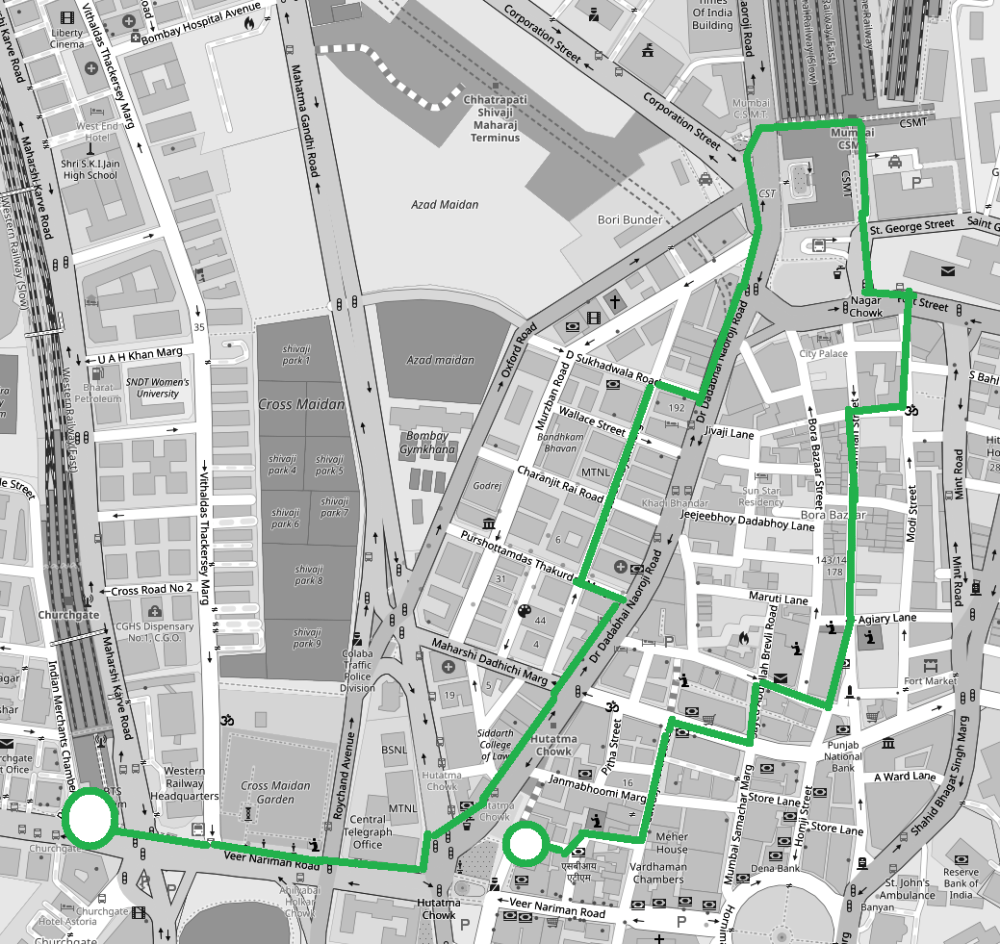
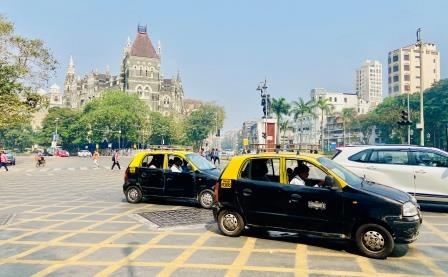
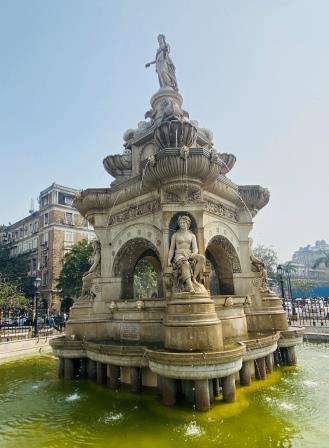
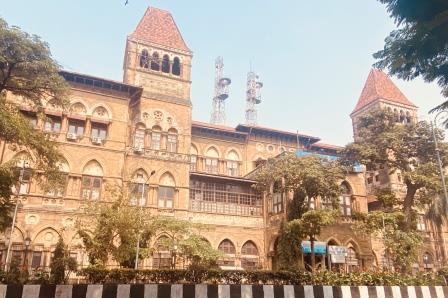
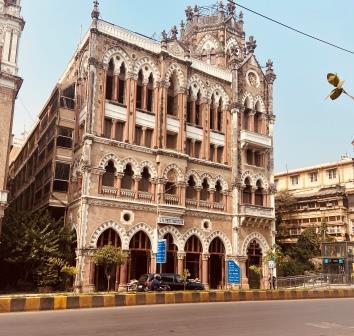
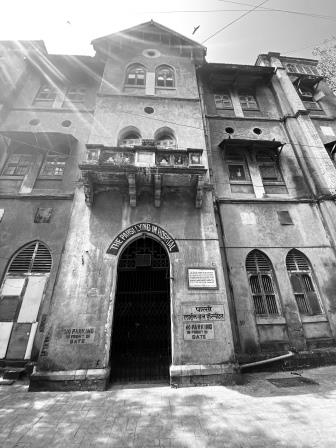
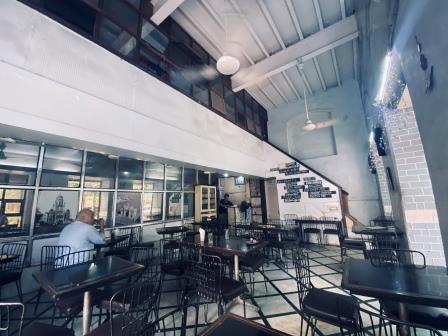
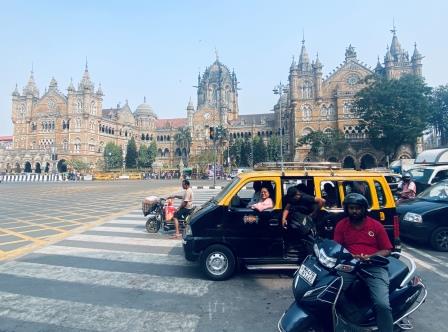
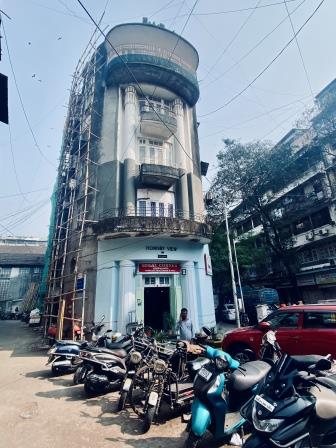
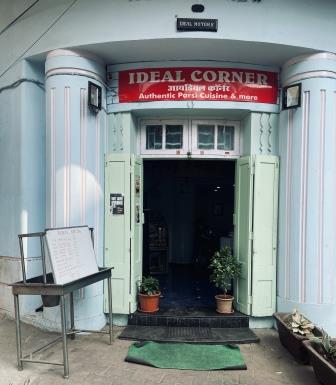
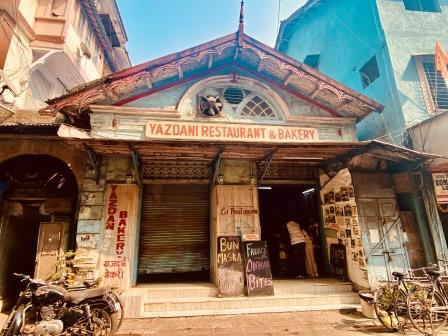
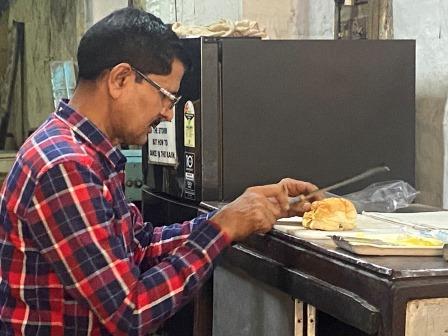
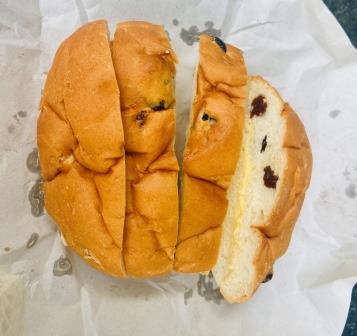
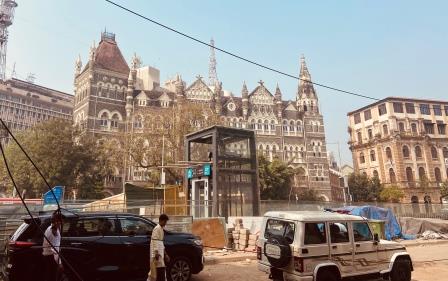
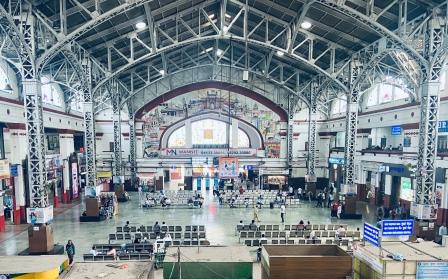
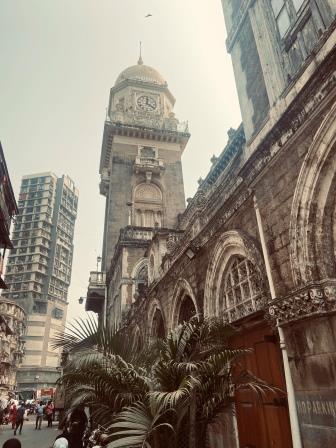
Our second walk began at Churchgate (Western Line) and was mainly concentrated on the Fort area of the city. We included a visit to CSMT station and wandered in search of Persian cafés and bakeries. We ended our stroll at Hutatma Chowk Metro Station (Aqua Line).
The Suburban Railway Today
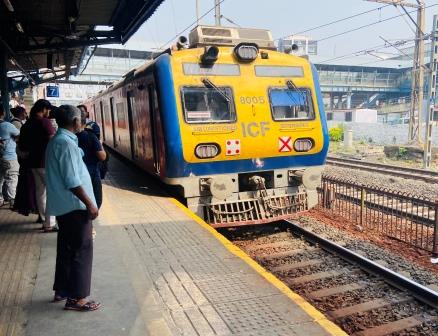
Although the three corridor lines (Central, Western and Harbour) remain unchanged in the central area, there have been extensions in suburban Mumbai. The Harbour Line reached Panvel in June 1998 and the Western Line began serving Dahanu Road in 2013. New lines have also been added on the outskirts: the Vasai Road–Roha line opened in the Mid 80s; the Trans Harbour Line opened in 2004 and the Port Line in 2018.
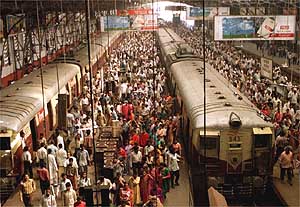
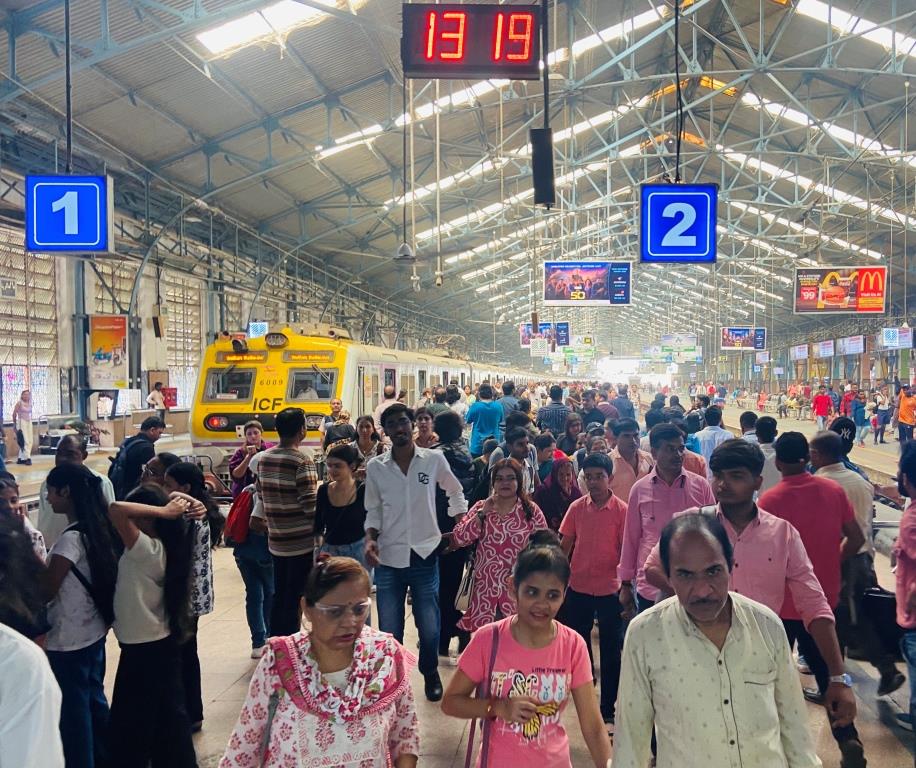
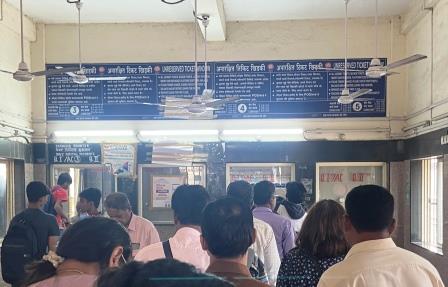
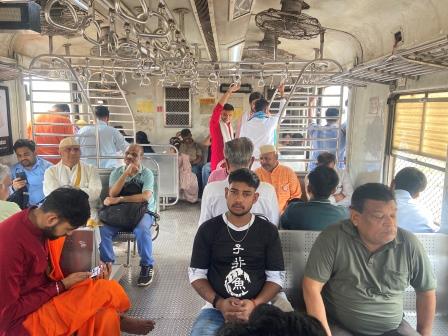
These changes notwithstanding, in the twenty first century the suburban railway has struggled to keep up with increased demand and suffers from some of the worst overcrowding in the world. Despite increasing train lengths to 15 carriages, over 4,500 passengers are often carried in the peaks, well over double the capacity.
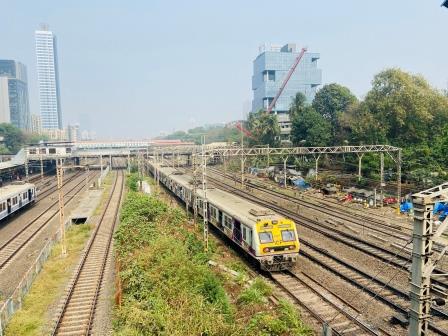
Conversion of the system from 1,500V DC to the new Indian standard of 25 kV AC was completed on the Western Railway in 2012 and the Central by 2016. New EMU sets were provided as part of the changeover with units manufactured by the Integrated Coach Factory (ICF) using equipment supplied by Siemens, Bombardier and others.
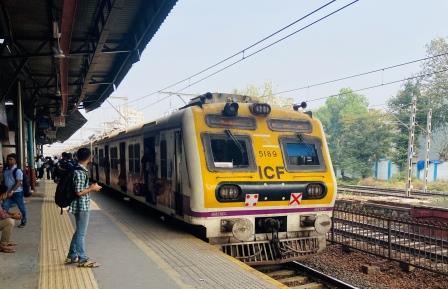
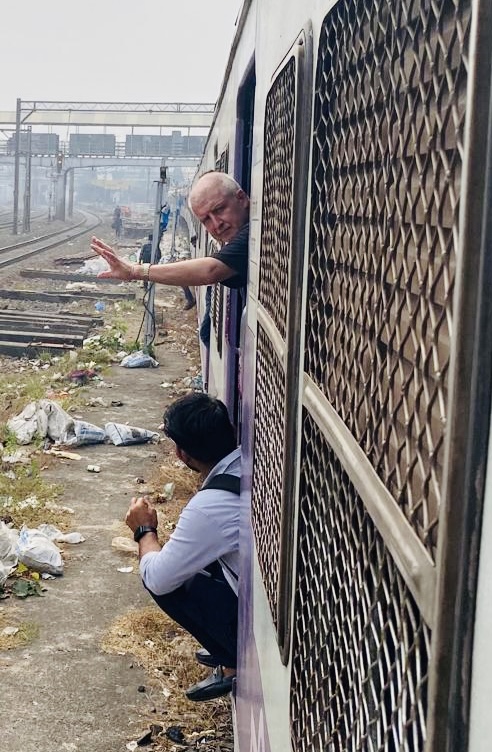
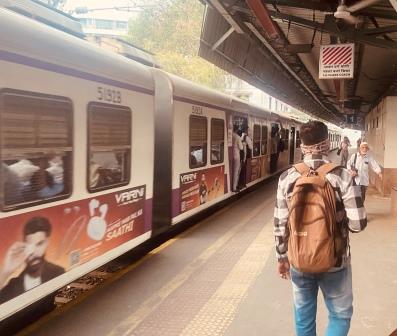
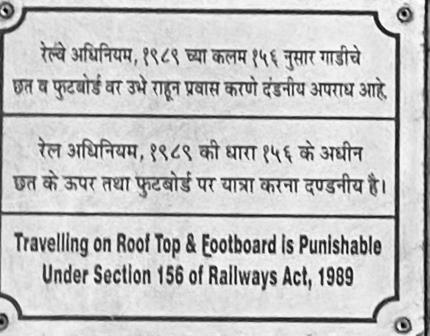
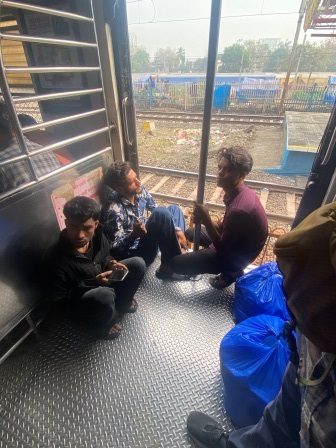
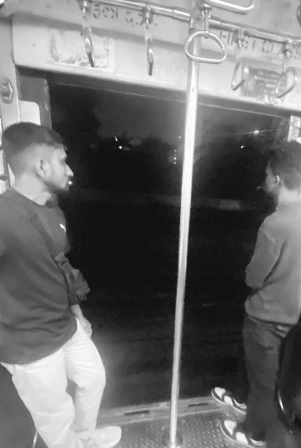
Famously, the trains have open doors, to facilitate short station stops and provide ventilation, and windows with wired grills on them to prevent theft. Passengers often end up hanging off the edge of the footboard and can easily fall to their deaths. The statistics are truly horrendous.
Walk Three
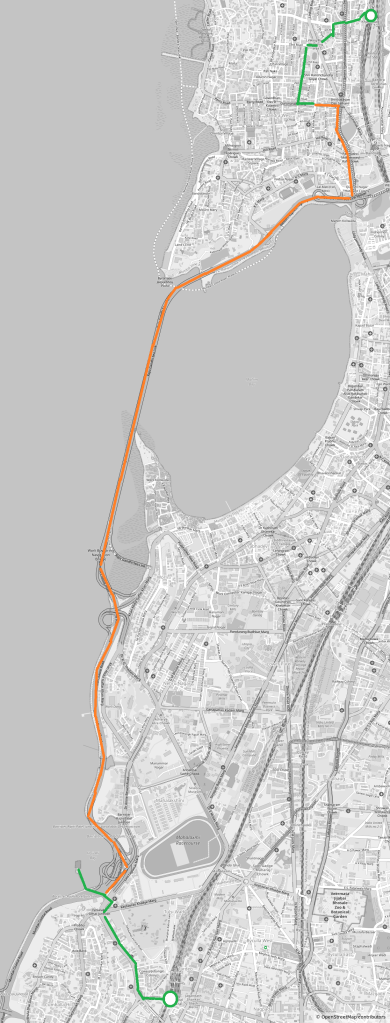
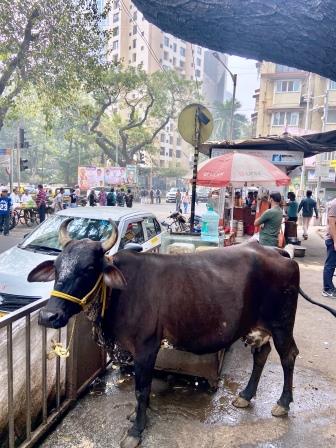
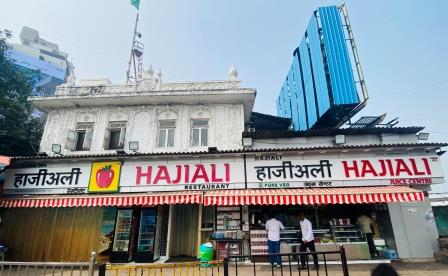
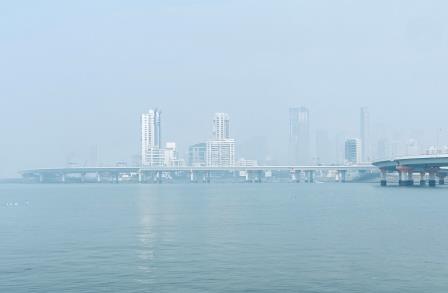
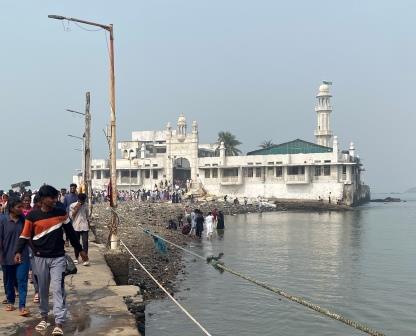
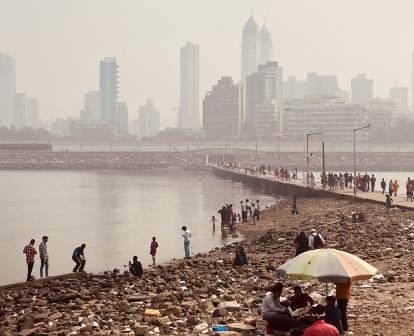
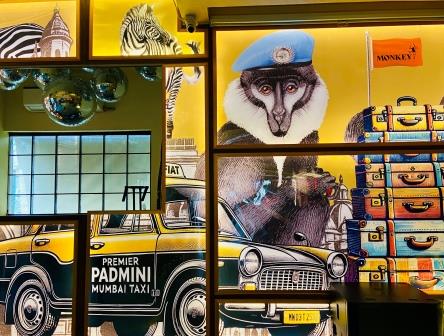
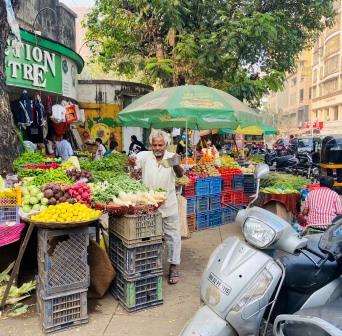
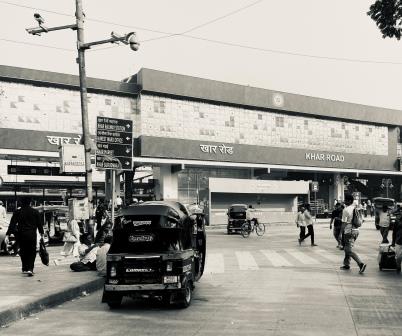
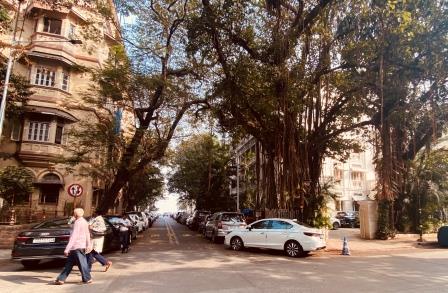
Our third walk began at Mumbai Central (Western Line). We walked west to the coast and then from there we went north to Bandra (with the help of a taxi). After a stroll around that cosmopolitan area, we ended up at Kahr Road (Western Line).
The Metro Arrives
By the early 2000s the population of Mumbai was growing rapidly but due to geographical constraints suburban rail infrastructure had not been able to keep pace. The Mumbai Metro was planned to reduce road congestion and supplement the railway.
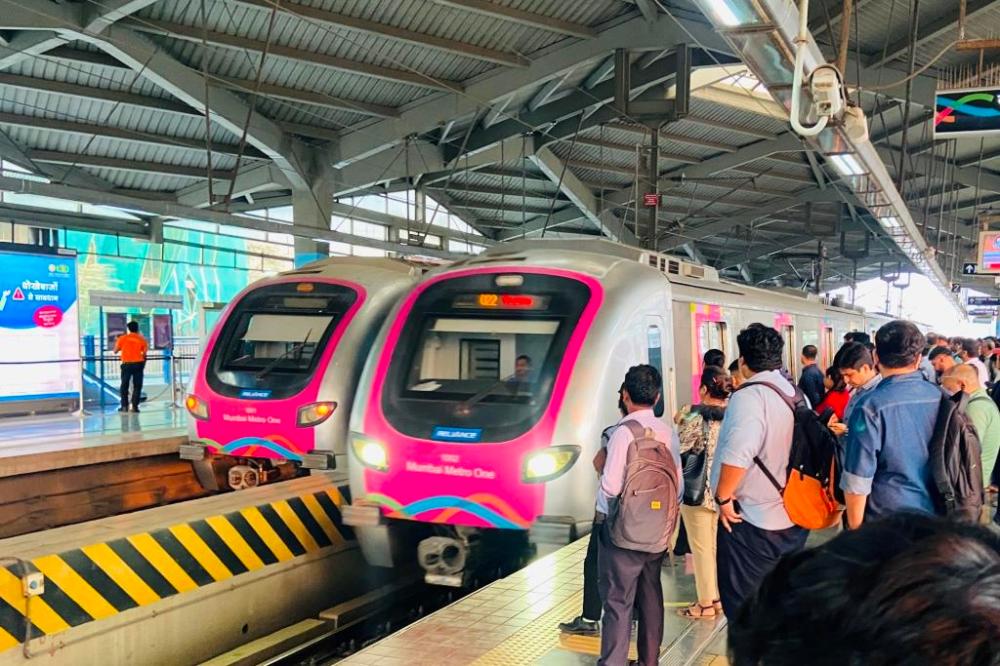
Construction of the system has been phased. By 2024 only three lines were in operation, but when it is completed, the network will comprise of sixteen lines and 523 kilometres of route. Like the Indian rail system, the Metro uses 25kV AC overhead electrification, but it utilises standard gauge track.
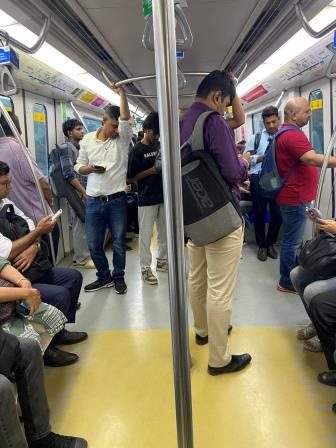
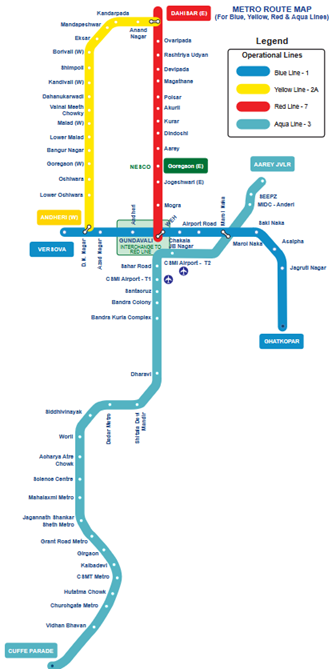
The first line to be constructed was the Blue Line. All 11.40 km is elevated and runs from Versova to Ghatkopar. The line, with its 12 stations, connects the eastern and western suburbs of Mumbai. It started operations on 8 June 2014.
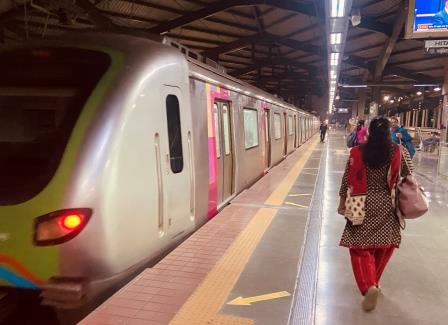
Opened in April 2022, after a gap of almost eight years, the Red Line was the second part of the system. It currently runs from Dahisar East to Gundavali but is due to be extended to the airport. Also opening at the same time, the Yellow line currently connects Dahisar with Andheri but is due to be extended towards Mankhurd.
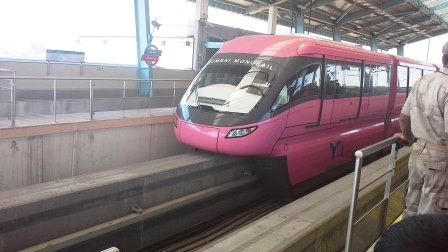
Meanwhile, the Mumbai Monorail was launched in 2014. The full route is 20 km. It uses elevated tracks, making it particularly useful in dense urban areas where space for rail expansion is limited. Unfortunately, it has suffered many service interruptions due to technical issues and was not operating in early 2026.
Walk Four
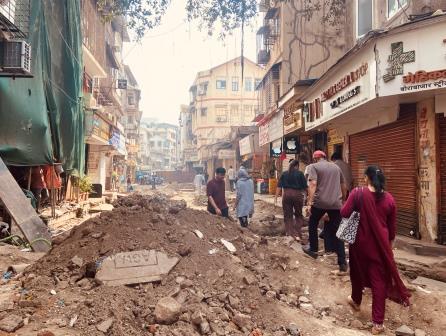
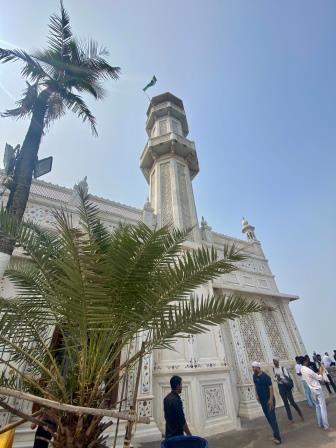
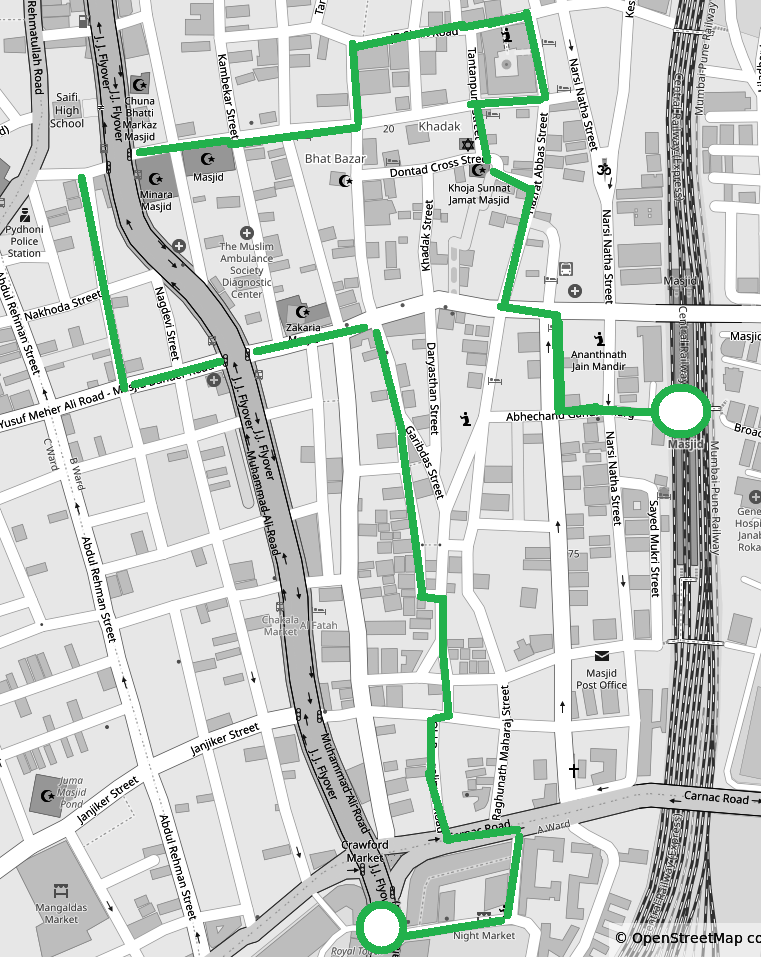
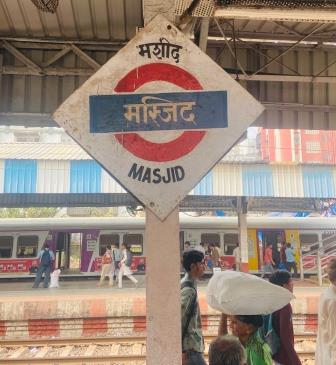
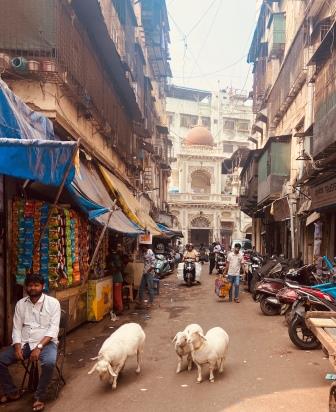
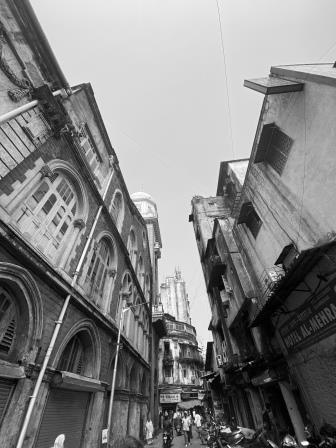
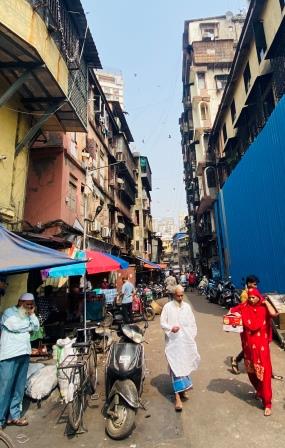
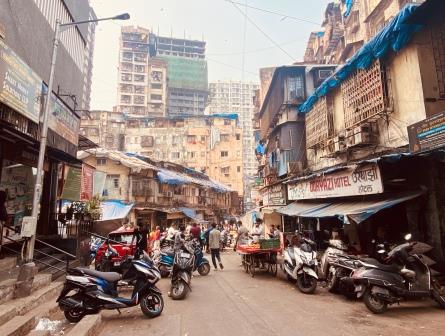
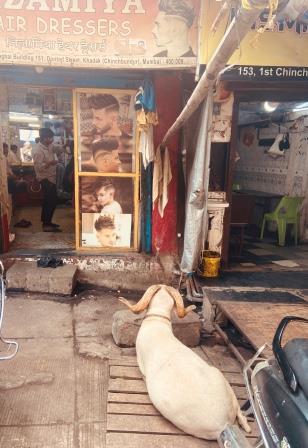
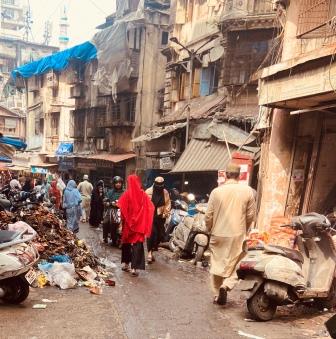
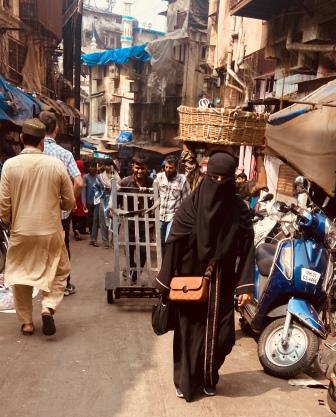
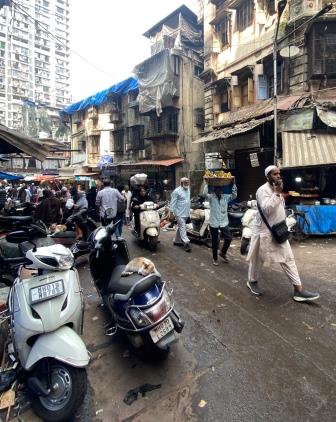
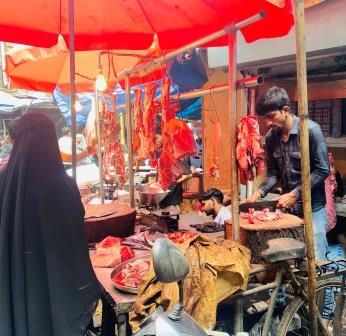
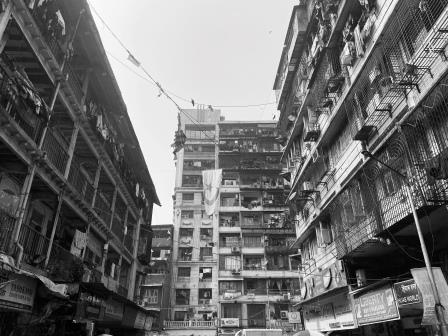
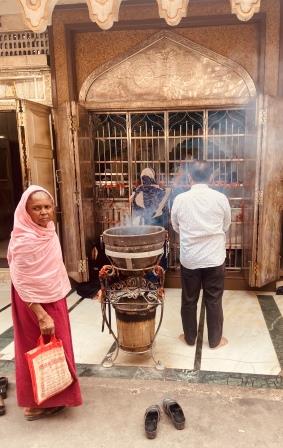
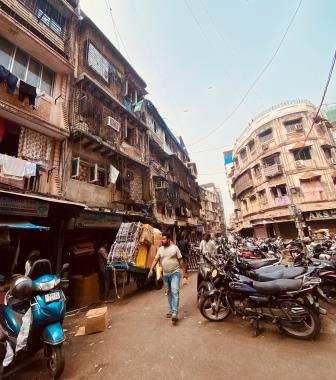
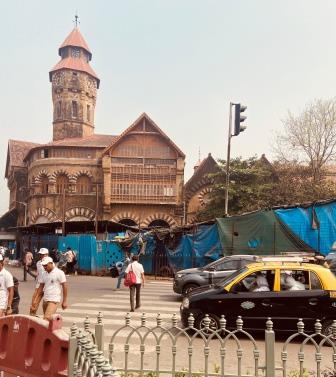
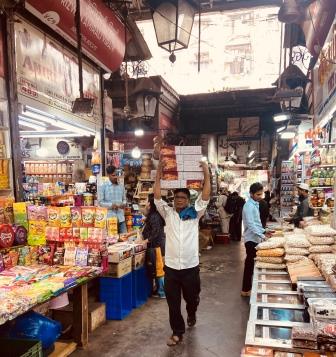
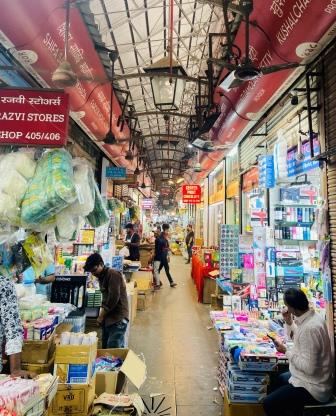
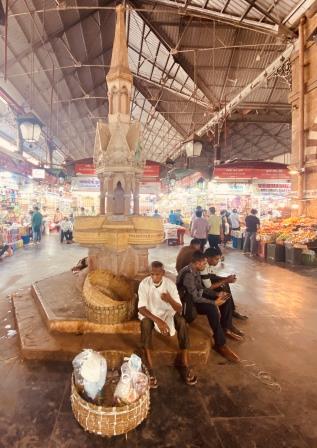
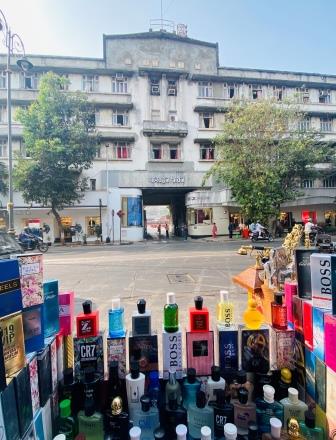
Our fourth walk began at the Masijd railway station (Central Line / Harbour Line). We walked through the historic Muslim neighbourhood to the west of the station and then headed south to the famous Crawford Market. Our walk ended near CSMT Terminus.
Metro Aqua Line
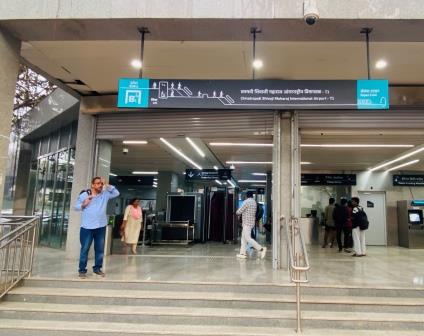
The Aqua Line is one of India’s most ambitious urban rail projects. Opened in phases between October 2024 and October 2025, the 33.5 km railway is the Mumbai Metro’s first true underground line. Only one of the twenty seven stations is on the surface. The line runs from Cuffe Parade in Colaba to Aarey JVLR north of the airport.
The line runs roughly north–south through Mumbai, passing through business and residential areas including Bandra, Worli, Dadar, Terminals 1 and 2 of the airport, Mumbai Central, Grant Road, Churchgate, and others. It has an interchange with the Blue Line (Line 1) at Marol Naka.
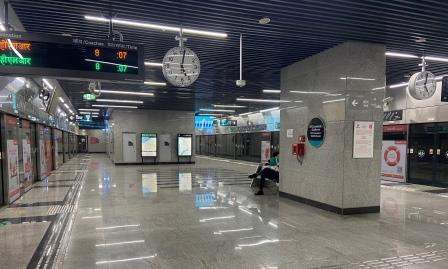
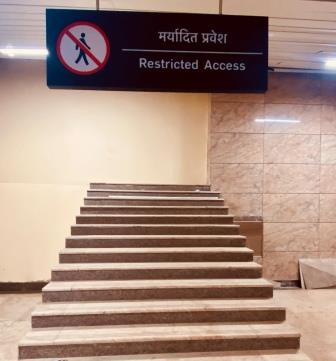
The system uses smart cards and paper QR tickets. Fares are set a little higher than the equivalents on the railway. Security is tight with x-ray scanners and plenty of safety personnel on the platforms. Photography is also officially prohibited, but given the novelty of the system, there are plenty of people taking selfies.
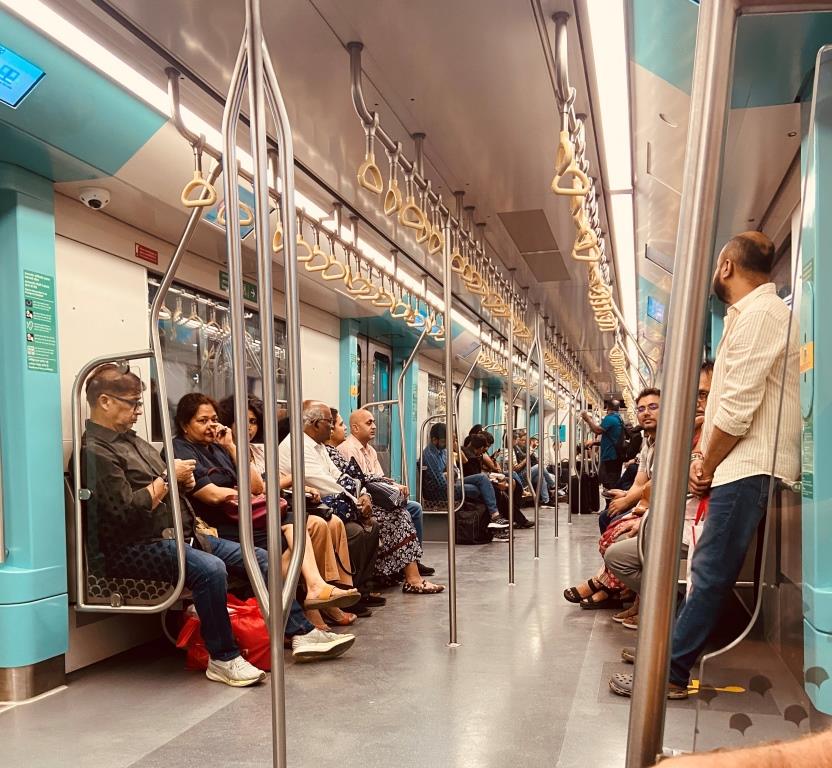
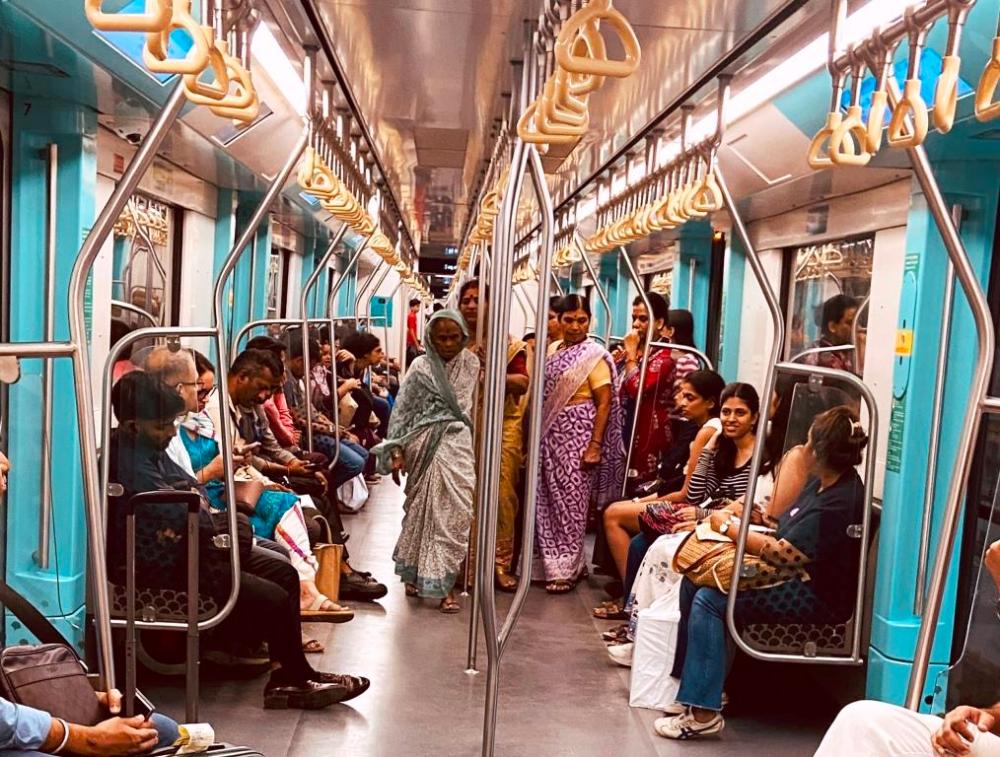
The stations and trains (built locally by Alsthom) are fully air conditioned and all the platforms have safety doors. With everything feeling spacious and clean, the experience is totally different from travelling on the over-crowded suburban lines.
Walk Five
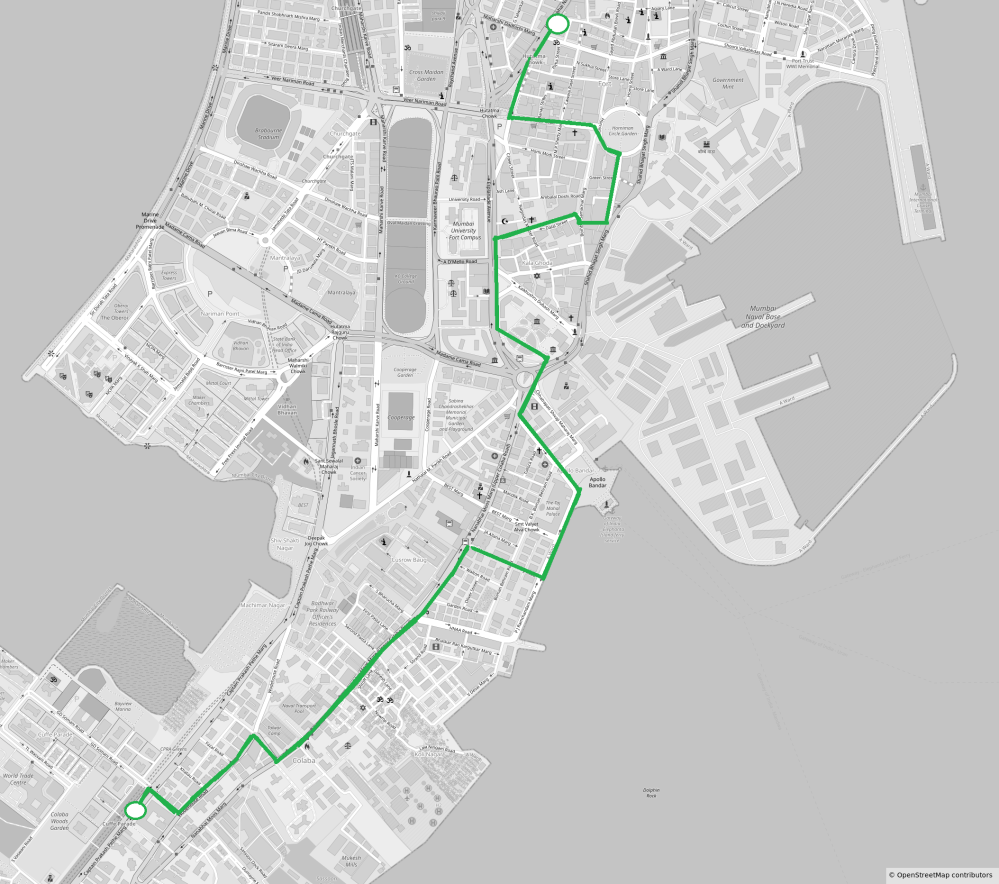
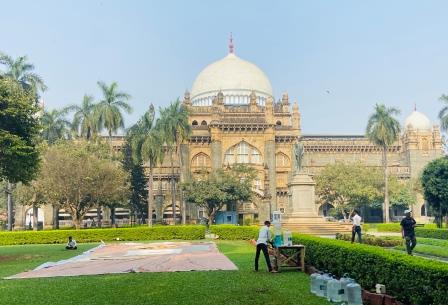
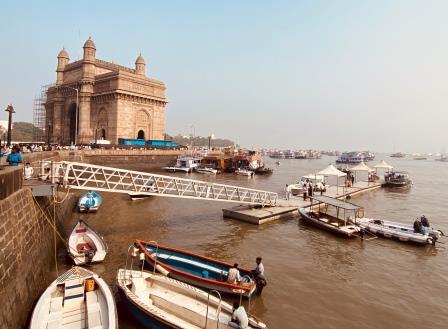
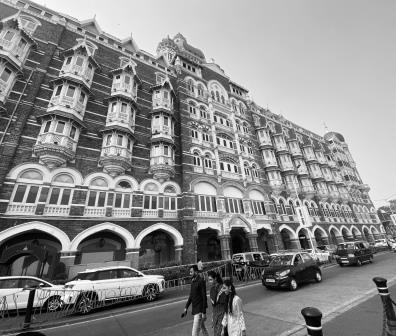
We began our fifth walk near the Hutatma Chowk Metro Station (Aqua Line) and meandered south through Colaba. On the way we passed many colonial-era landmarks. We ended our stroll at Cliffe Parade Metro Station (Aqua Line).
Final Impressions
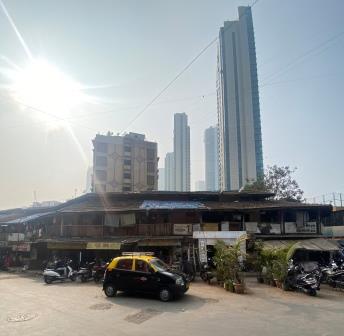
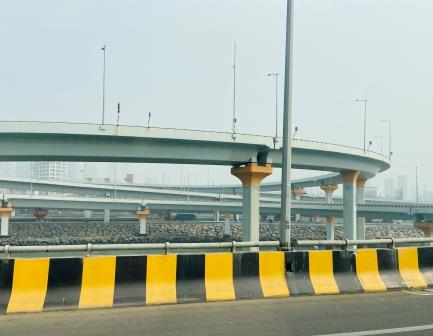
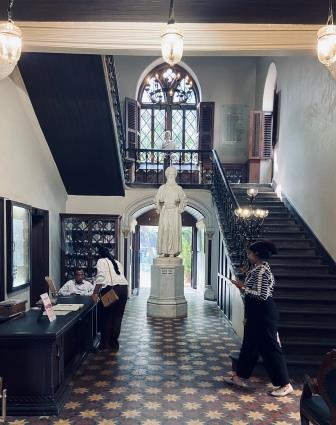
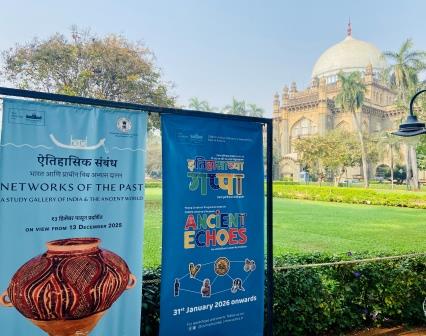
I found visiting Mumbai again after more than 30 years quite fascinating. Walking around areas like Lower Parel it was easy to see how the skyline had grown upwards, whilst travelling along the Bandra-Worli Sea Link and using the Aqua Line metro brought home to me how much infrastructure had changed.
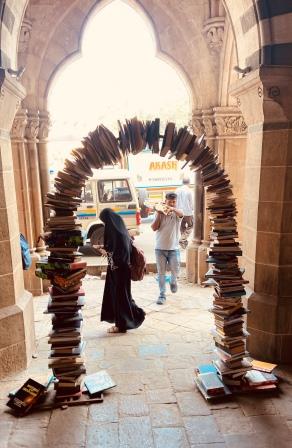
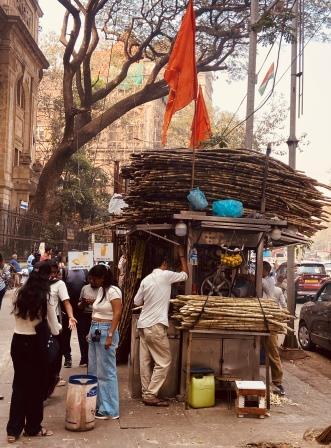
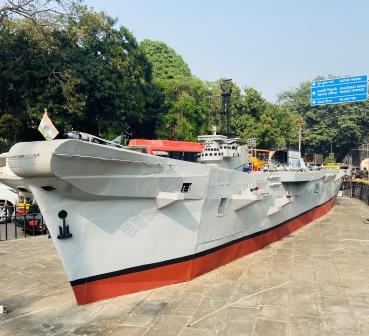
At the same time, the old city was very much still there. Walking through Chhatrapati Shivaji Maharaj Terminus, or around Colaba felt much the same, whilst on our stroll through the Masjid district I still experienced the same sort of chaos as on my first visit. Riding the, albeit now more modern, local trains still felt as intense as it did in 1994.
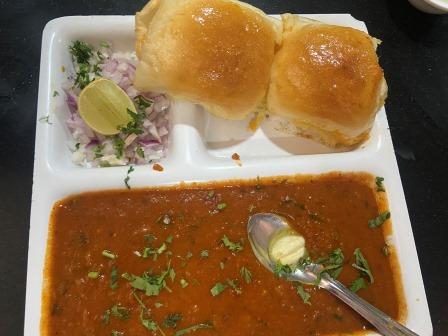
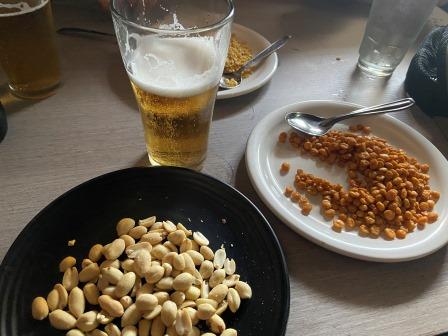
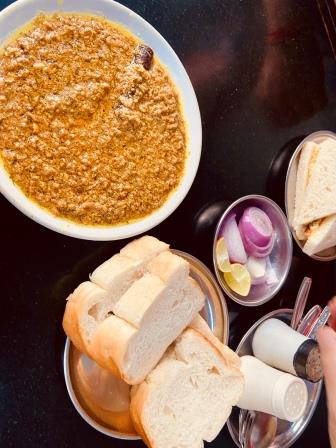
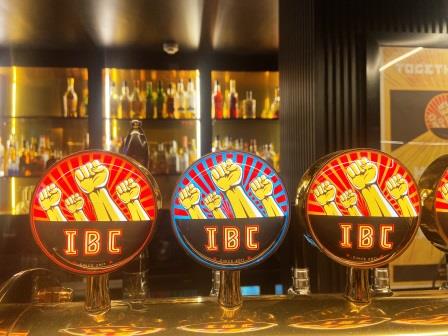
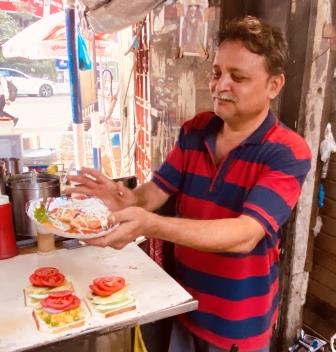
On our visit to areas like Bandra we saw trendy cafés, walked past restaurants offering global cuisine and sampled the latest local craft beer products, At the same time I was still able to enjoy the street food staples like vada pav and pav bhaji.
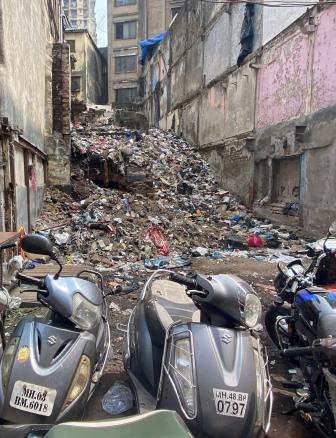
Whilst I certainly never felt anything approaching the level of culture shock I experienced in 1994, my biggest surprise perhaps was the impact that pollution was having on the city. The air quality index was pretty high throughout my stay and it made walking around quite unpleasant at times.
I would love to go back to Mumbai again, hopefully the expansion of the metro system and other environmentally friendly transport methods will, combined with other factors, eventually succeed in reducing the level of pollution and make the city more pleasant to visit.