Edgware Road
Edgware Road (6.75km) was opened in June 1907.
Station
Edgware Road became the Bakerloo’s northern terminus for more than six years before the line was eventually extended to Paddington.

The station here has no connection to the nearby Hammersmith and City, Circle and District line station of the same name which was opened back in 1863.
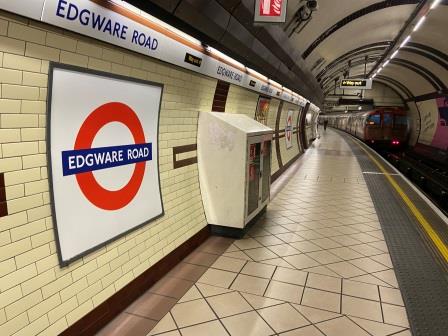
It still uses lifts between the platforms and the surface. There is also a 125-step staircase. The platforms were refurbished as part of a lift refurbishment in 2013-4 and are still looking good.
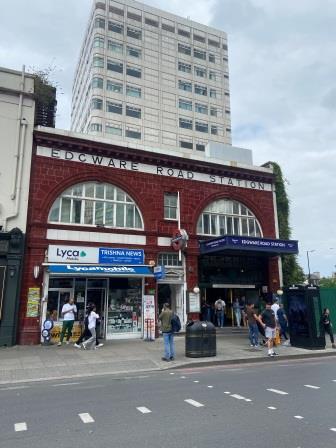
The surface building was the eighth and final one designed by architect Leslie Green for the line. It is also the last of the four that remain in use on the Bakerloo today.
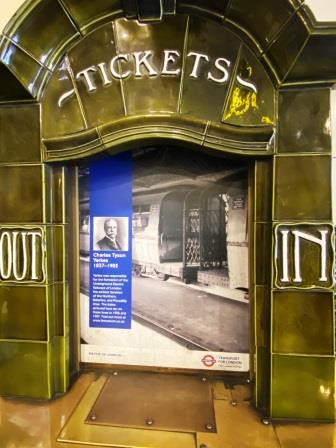
Nearby
Baker
Koşi Bakery (185 Edgware Rd, W2 1ET) hails from Turkmenistan rather than Lebanon
Loo
There are few good options for public toilets near the station. Luckily, the Green Man pub is right next door (308 Edgware Rd, W2 1DY).
PHOTO
Paddington
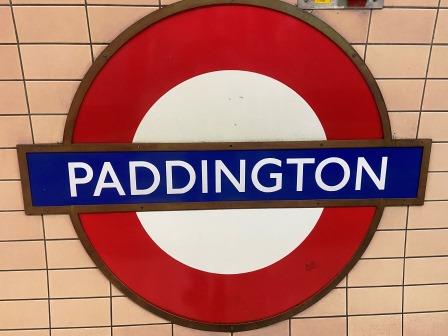
The Bakerloo Line reached Paddington (7.47km) in December 1913.
Station
After a long hiatus the Bakerloo was extended to Paddington and it remained as the terminus until the line was extended towards Queens Park in January 1915. The Metropolitan had already opened platforms in the main line station (today’s Hammersmith and City Line) in 1863 and at Praed Street (today’s Circle Line) in 1868.
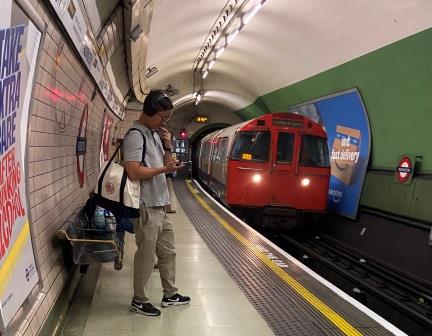
The Bakerloo platforms were built on a tight curve, which was necessary in order to get the correct alignment for the northwards extension.
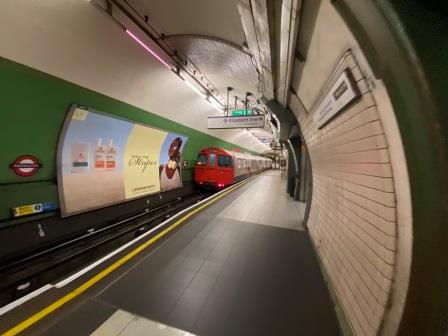
The station was the first on the line to be designed to use escalators instead of lifts. A surface building was not constructed at Paddington, although there was a small entrance on the corner of Praed Street.
Nearby
We come out of the station onto Praed Street walking east along the south side of the station. The street is packed with busy shops, fast-food joints and hotels.
PHOTO
St Mary’s Hospital, opened in 1845, is further along the street. Sir Alexander Fleming discovered penicillin here in 1928. The hospital is now run by the NHS but there is also a private maternity unit where many royal babies, including Princes William and Harry, were born.
PHOTO
Baker
In the other direction, at the western end of Praed Street, is Craven Road. Granier Bakery (5 Craven Rd, W2 3BP) is a popular artisan bakery and cafe.
It is known for its croissants, including plain, almond, and special filled varieties like pistachio chocolate and mascarpone. There are also seasonal fruit and custard buns.
We go for XXXXX
Loo (National Rail Station)
London Paddington was designed by Isambard Kingdom Brunel and opened in 1854, it served as the London terminus for his Great Western Railway. Trains still depart from here to destinations like Reading, Bristol, Exeter, Plymouth and Penzance. The Heathrow Express also uses the main station and the new Elizabeth Line platforms have been added in tunnels below. It is also famous as the fictional namesake and arrival spot of Paddington Bear.
There are public toilets on the main concourse. Two sets in fact, near Platform 12 and near Platform 1.
Warwick Avenue
Warwick Avenue (8.35km) opened in January 1915.
Station
The line was extended from Paddington to Kilburn Park in January 1915. As Maida Vale opened slightly later, Warwick Avenue was initially the only intermediate station.
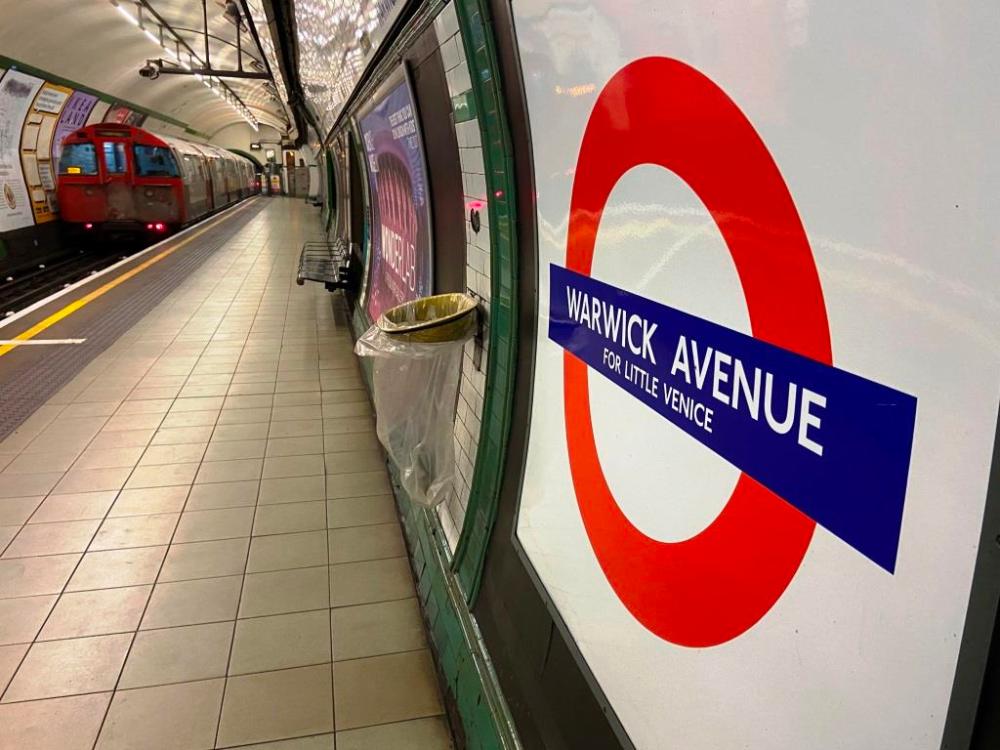
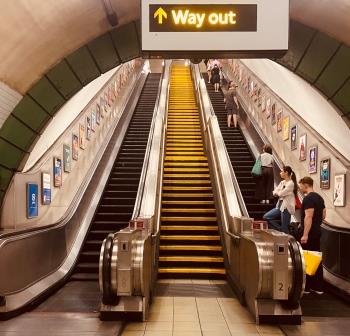
The first two escalators on London’s Underground had entered service at Earl’s Court station on 4 October 1911 and now, along with Paddington, the three stations on the new extension became the first to be designed without lifts.

All these stations had a new design that utilised a subterranean central hall with the platforms arranged either side. The escalator shaft led up from this hall to the concourse above.
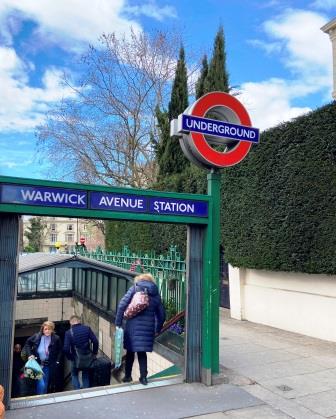
Warwick Avenue didn’t have any substantial surface buildings, steps lead down from entrances at street level. The ticket office, barriers and concourse are all below ground.
Nearby
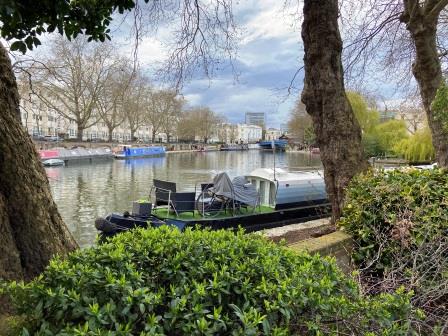
After the bustle of central London, the area here feels peaceful and affluent. Little Venice is the point where the Regent’s Canal meets the Grand Union Canal and the waterways are full of moored narrow boats and houseboats.
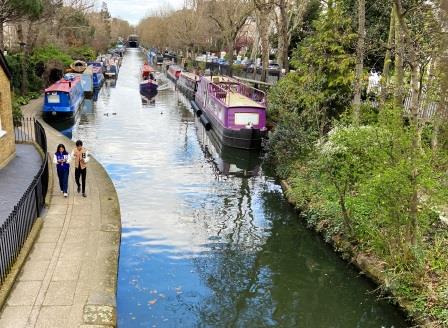
Around the station are wide, tree-lined streets. There are upscale mansions arranged in quiet residential crescents often with hidden private gardens sitting between them. There are also public green areas like Rembrandt Gardens.
Baker
Toast (6 Formosa Street, W9 1EE) is perhaps more cafe than bread shop but it does go by the name of “Toast Coffee and Bakery” and it is a stones throw away from the station.
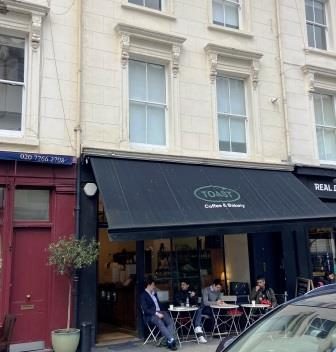
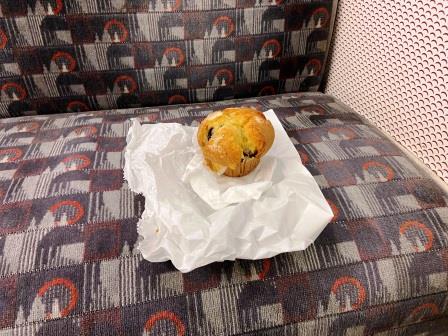
The coffee is certainly good but the take away pastries look delicious too. I have heard that the croissants are excellent here but in the end I go for a muffin.
Loo
It is a 3 to 4 minute walk to the nearest public convenience which is located at Rembrandt Gardens (W2 1XB).
Maida Vale
Maida Vale (9.14km) opened in June 1915.

Station
Opening about six months after the line from Paddington itself, Maida Vale began operations almost a year into the First World War. With men away fighting at the front, it became the first station on the London Underground to be staffed entirely by women.
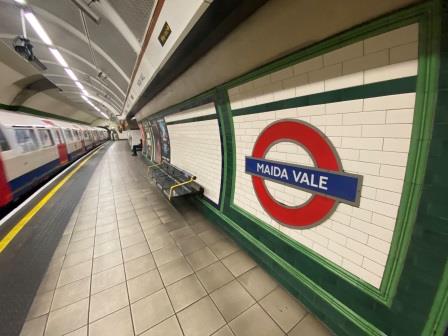
As at Warwick Avenue, it was fitted with escalators from new, but unlike the previous station, it had a surface building. It was designed by Stanley Heaps, who had become the Underground group’s chief architect following the premature death of Leslie Green aged just 33 in 1908.

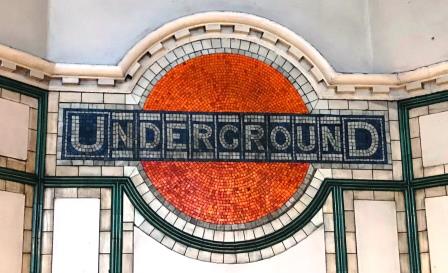
It features the same ox-blood glazed terracotta tiles as Green’s stations but the style is updated. With no need to provide a second floor for the lift gear, it is also a single storey design. It is Grade II listed.
Nearby
We come out onto Elgin Avenue. Here we find plenty of independent shops, several restaurants and the Elgin, a stylish gastropub.
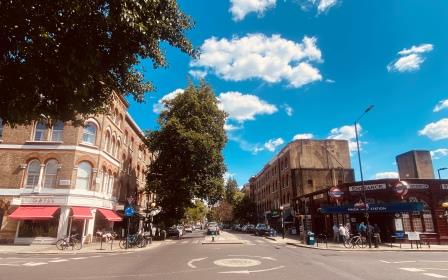
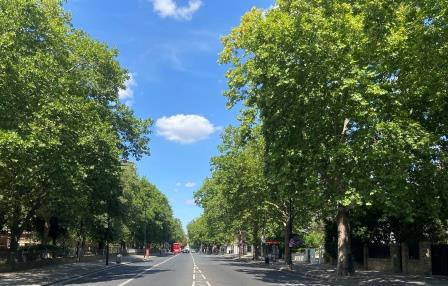
Around the area are tree-lined streets which are part of one of London’s first highly coordinated large scale planning projects. This part of the city was systematically transformed from rural fields after 1800 to become an elegant residential area.
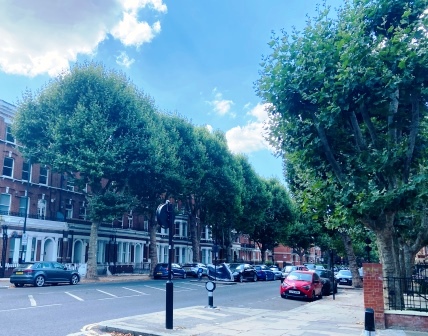
In the streets around the station are striking red-brick Victorian mansion blocks. Lauderdale Mansions built in 1897 was the pioneer among them. It was the birth place of famous actor Alec Guinness.
Baker
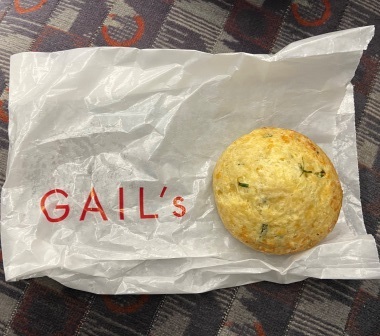
There is a branch of the high end chain, Gails literally facing the station (237 Elgin Ave, W9 1NJ). The bakery is seen as a symbol of gentrification, good or bad. The image is of £5 sourdough, organic jam and oat lattes. Gails has attracted its fair share of detractors recently. In Walthamstow there was even a petition against it setting up a branch.

Gails do tend to pop up in areas where the house prices are higher than average. This is not the first branch I have encountered on my travels nor will it be the last. It is the closest one to the tube station though.
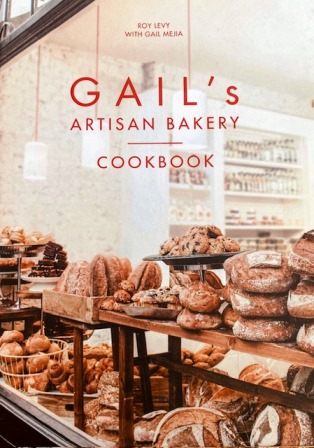
With a total of more than 200 branches, including more than 100 in London, Gails has come a long way since it was founded in Hampstead in 2005. I remember visiting the shop when it was just a one off and my wife bought their cookbook back in 2014.
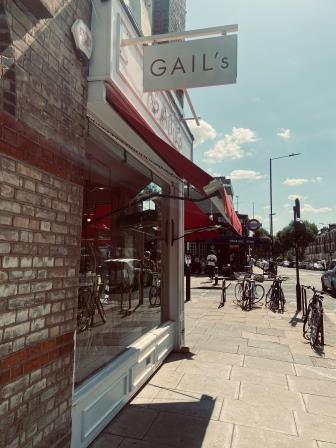
The branch here seems to be doing very well on a Saturday morning. On display are as many types of sourdough as you can imagine; Gails, San Francisco. seeded, waste-less, mixed olive, hazelnut and walnut, Bruern Farms and brown. I am actually partial to their sourdough but in the end I just get something to eat straight away.
Loo
It is about a 5 minute walk to the Paddington Recreation Ground on Randolph Avenue (W9 1PD). This is where Sir Bradley Wiggins learned to ride a bike and spent his childhood training. There are toilets in the pavilion.

Kilburn Park
Kilburn Park (10.02km) opened in January 1915.

Station
In January 1915 Kilburn Park became the terminus of the line for just a few weeks before the extension was continued northwards to Queen’s Park. This is the last station of the fifteen on the line that are below the surface.

The surface building is another one by Stanley Heaps. With more space available than on the corner site at Maida Vale it seems to work better. It has aged well and now more than 110 years old still looks very elegant.
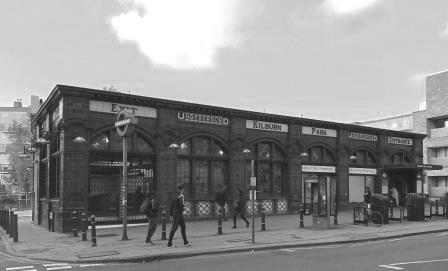
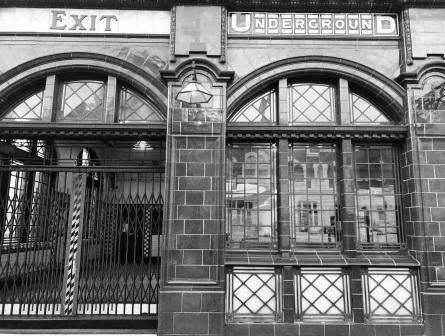
It is a personal favourite. It can be considered the final update of the original Leslie Green style. It is also Grade II listed.
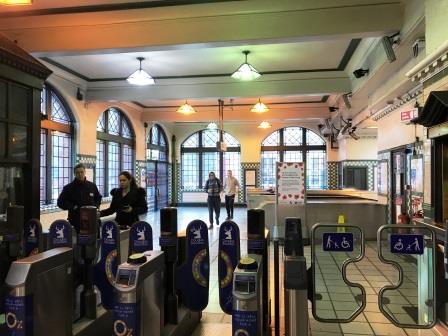
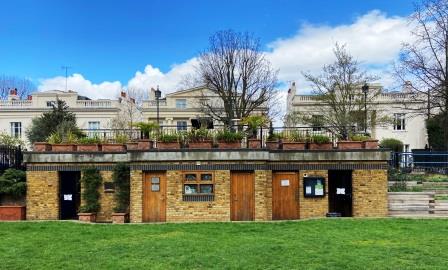
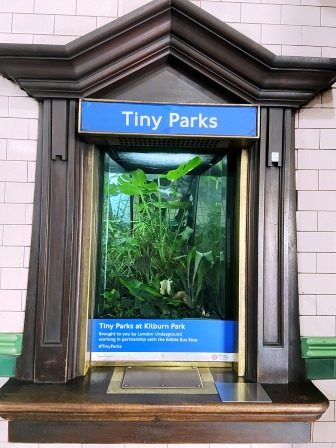
The ticket office is no longer in use here, but the old ticket windows have been cleverly repurposed at “tiny parks” using plants. The sign claims that it is a partnership with the ‘edible bus stop’.
Nearby
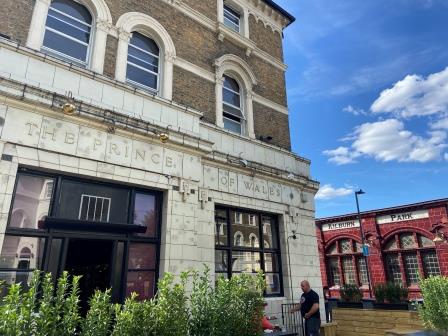
Although just a short distance from Maida Vale, Kilburn Park certainly doesn’t feel as wealthy. Popping into the Prince of Wales for a pint, it is obvious that the clientele here are a world away from the people sitting sipping their lattes outside Gails. This feels like a very working class.
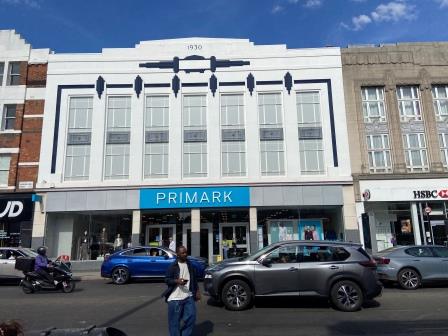
It is a short walk up to Kilburn High Road. Here is a mixture of discount shops, phone repair stores and fast-food outlets. There are some impressive buildings here too though. The beautiful art deco Primark was built in 1930 as a branch of British Home Stores.

Baker
It is a little bit of a walk, across Kilburn High Street itself to reach Hart & Lova (213a Belsize Rd, NW6 4AA).
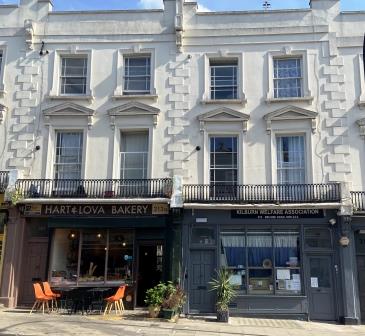
There is a cosy little cafe attached and there are a few people inside having the Monmouth coffee they sell.
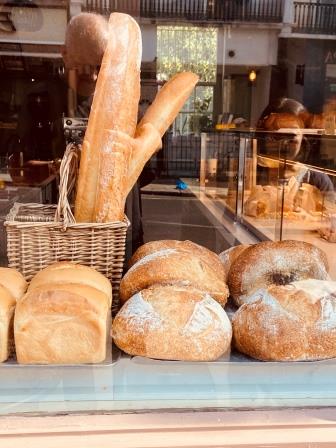
The place is apparently renowned for sourdough and their croissants are also very well regarded too. They have been winning awards for their pastries too.
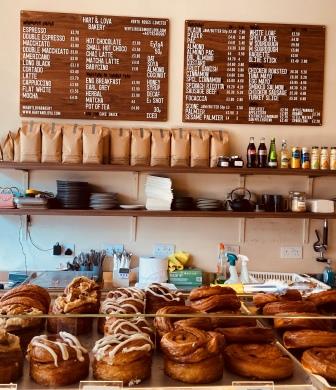
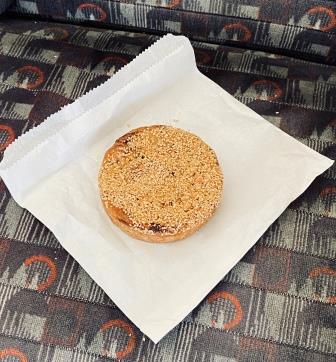
They have quite a few unique things too. We go for a date filled palmier covered in sesame seeds. It is absolutely delicious.
Loo
The Prince of Wales is right across the road from Kilburn Park (11A Cambridge Gdns, NW6 5AE).
 Trains To Beyond