Piccadilly Circus
The Bakerloo platforms at Piccadilly Circus (3.08km) were opened with the line in March 1906. The Piccadilly Line plaforms followed shortly afterwards in December 1906.

Down on the platform
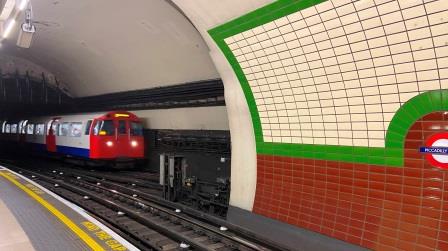
The platforms on the Bakerloo line at Piccadilly Circus were refurbished in the mid-1980s, included new platform tiling predominently in red and green. The Bakerloo line platforms at Piccadilly Circus offer a unique view on the network: the back to back layout is itself unusual, but the single tunnel containing a crossover at the north end of the station allows passengers to see both platforms at once.

Up above
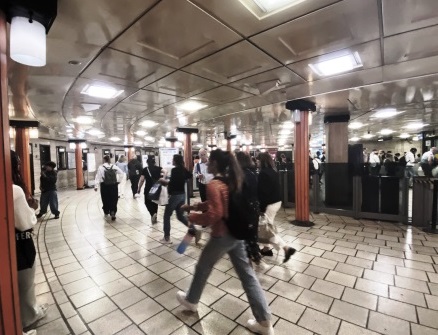
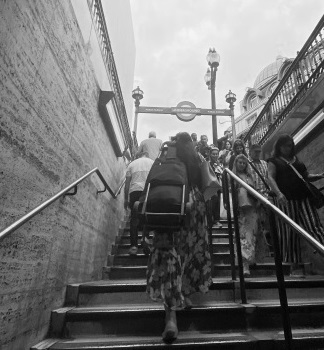
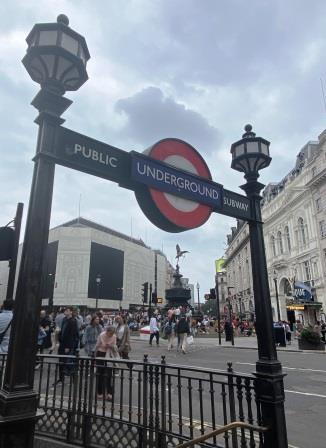
DANGER As originally built it had the Leslie Green-designed surface building. Growth of traffic after world war one led to the decision to construct a sub-surface booking hall and circulating area, which would also provide public pedestrian subways. Work began in February 1925 and was completed in 1928. The architect was Charles Holden. The old surface building was demolished finally in the 1980s.
Baker ?
Loo
Oxford Circus
The Bakerloo platforms opened at Oxford Circus (4.05km) in March 1906. The first tube railway at Oxford Circus was the Central London Railway (today’s Central line) which opened its station in 1900. The Victoria Line arrived in March 1969.
OOOOOOOOOOO
Down on the platform
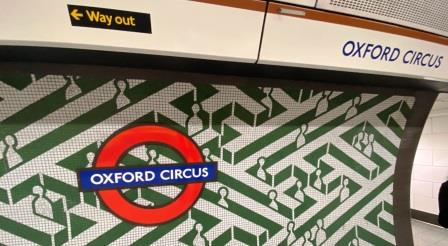
Cross platform interchange has been provided with the Victoria line and the platforms are parallel. Following the opening of the Victoria line in 1969, the Bakerloo platforms were re-tiled to match the new line’s style, and were re-tiled again starting in 1983. A major modernization project in 2007 involved removing some murals and replacing them with plain white tiles, similar to the original 1900 style DANGER !
Up above
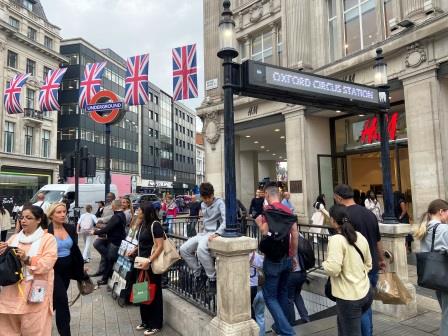
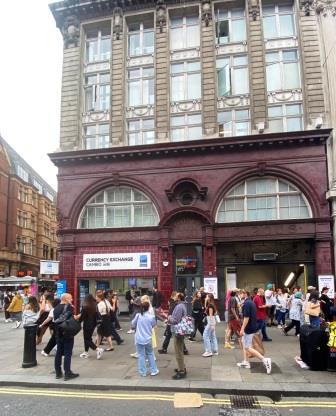
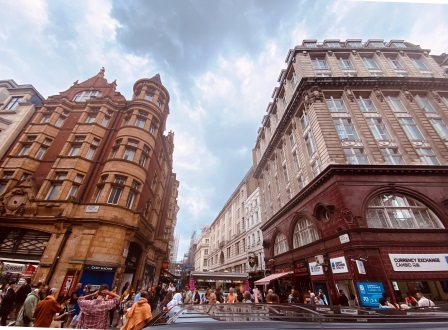
The Central and Bakerloo line initially had separate surface buildings and lift shafts but were eventually connected to each other underground. Over the years a lot of amendments and escalators were installed. In 1969 a new larger concourse was built under Oxford Circus itself. But both station buildings remain today as exits, the Bakerloo version is a classic Leslie Green structure. Both are Grade II listed
Baker ?
Loo ?
Regents park
Regent’s Park (4.92km) was opened with the original section of line in March 1906. Great Portland Street station on the Metropolitan, Hammersmith and City and Circle lines is within walking distance.

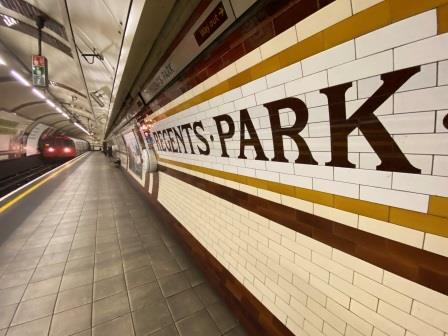
Down on the platform
Although the tiles on the platform are not original, they have been sympathetically replaced to give the station a similar to how it might have originally looked.
Up above
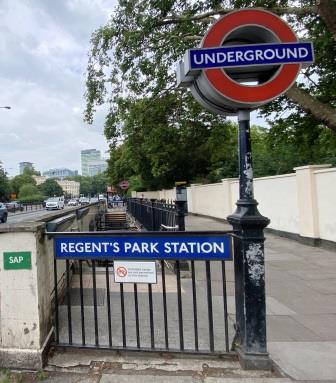
Unlike any other of the original stations, Regent’s Park has no surface buildings and is accessed from a subway. The station is still served by lifts. There is also a staircase which can be used which has 96 steps.
Baker ?
Loo ?
Baker Street
The Bakerloo line platforms at Baker Street (5.8km) opened in March 1906 and the line from Kennington Road (today’s Lambeth North) terminated here for about a year before being extended onwards.

Down on the platform
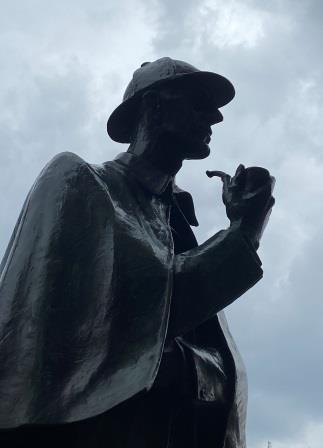
The Bakerloo line uses platforms 8 and 9, which date from 1906. Between 1939 and 1979 northbound trains on the line also used an extra platform, now 7, for the Stanmore branch. That, along with a new south bound platform 10 are now part of the Jubilee line which took over the Stanmore branch in 1979. In the 1980s the original tiling scheme was replaced with tiles depicting the silhouette of Sherlock Holmes, who lived at 221B Baker Street.
Up above
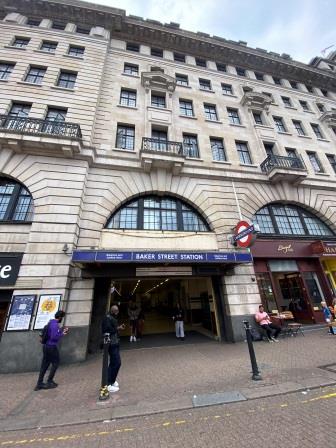
The original station building designed by Leslie Green stood on Baker Street itself and was linked to the tube platforms by lifts. Escalators were added in 1914 when a new concourse was constructed below the Metropolitan line.
Baker ?

Loo ?
Marylebone
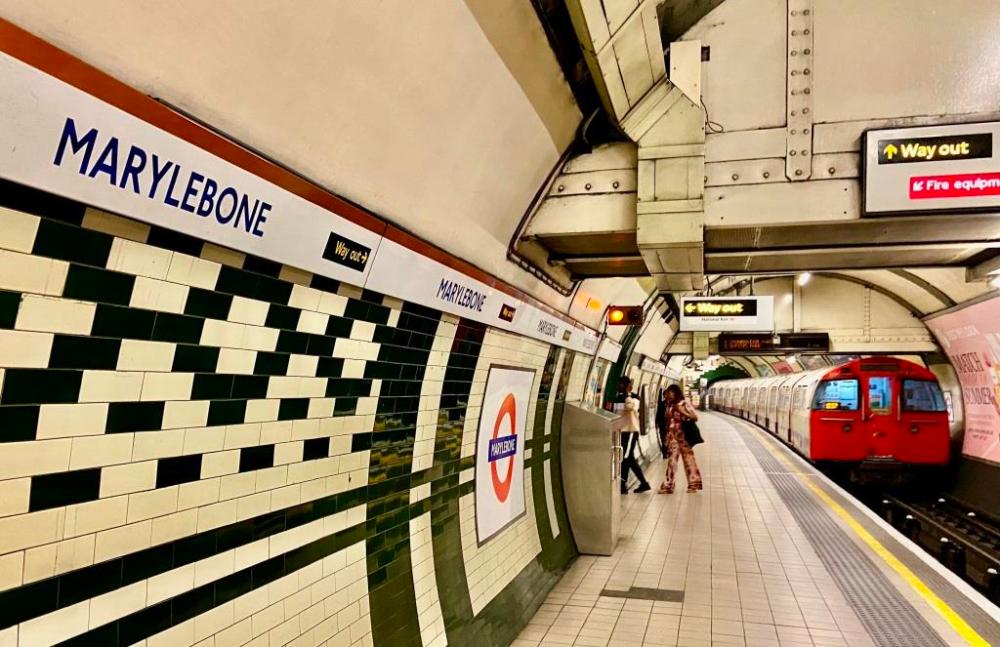
Marylebone (6.3km) was opened in March 1907 and was the terminus of the line for only a short period before the extension to Edgware Road was opened in June. It was originally named Great Central, the name of the railway company operating from the Main Line station above. It was renamed in 1917, although tiles with the original name can still be seen.
Down on the platform

Up above
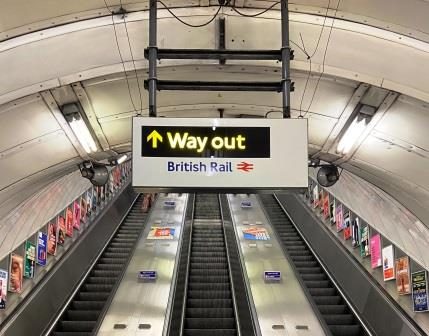
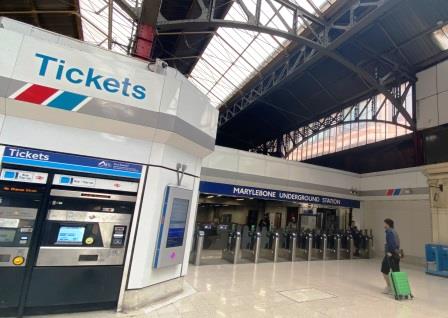
The original Leslie Green station building suffered damage in the Second World War and was eventually demolished. It was replaced by the present entrance inside the station in 1943. The platforms, once only accessed by lifts are now linked to the surface by escalators.
Baker ?
Loo ?
 Trains To Beyond