Elephant and Castle
The Bakerloo Line station (0km) opened in August 1906.

Station
The Baker Street & Waterloo Railway (to give it its official original title) opened the station here a few months after the line had begun operation between Lambeth North (then Kennington Road) and Baker Street. Despite several plans to extend south over the years, it has remained the line’s southern terminus ever since.

The Bakerloo was not the first tube line at Elephant and Castle. The City and South London Railway had opened what is now the Bank Branch of the Northern Line in 1890. The two stations are still separate on the surface but linked by underground passageways.

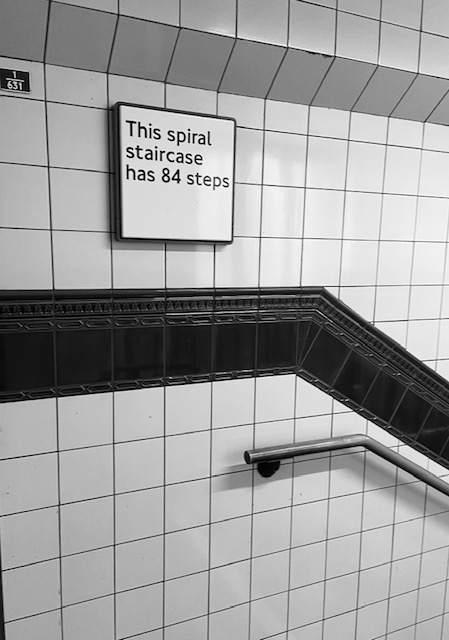
The two Bakerloo platform tubes are 18 metres (60 feet) below ground and arranged next to each other in a kind of ‘island platform’ arrangement. Lifts connect them to the surface, although there is also a spiral staircase with 117 steps for emergencies and for those in need of exercise.
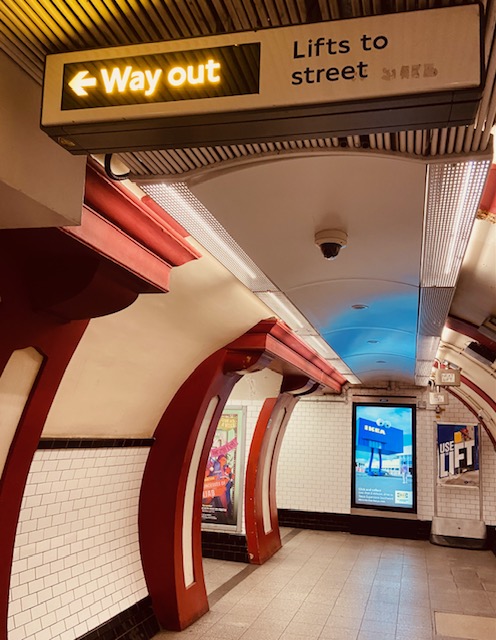
As the station is a terminus, departing trains tend to alternate between the two platforms. Approximately sixteen trains leave each hour, with roughly half going as far as Queens Park, four to Stonebridge Park and only four heading up to the northern terminus at Harrow & Wealdstone.
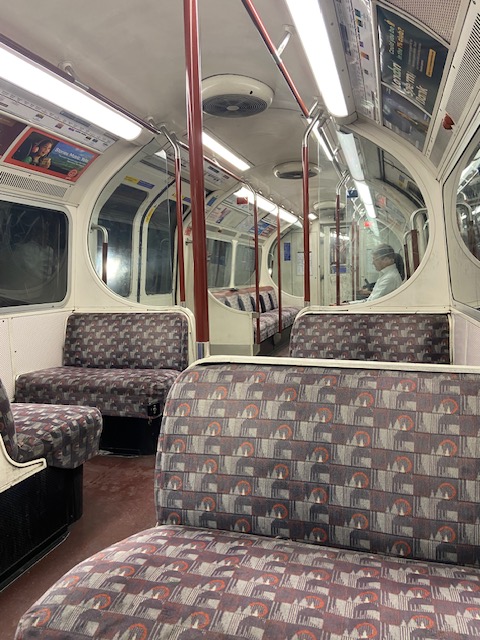
The Baker St and Waterloo Railway had become a subsidiary of the Underground Electric Railways of London (UERL) group in 1902 and its surface buildings were entrusted to Chief Architect, Leslie Green. 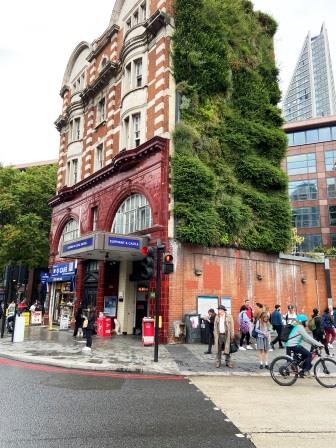
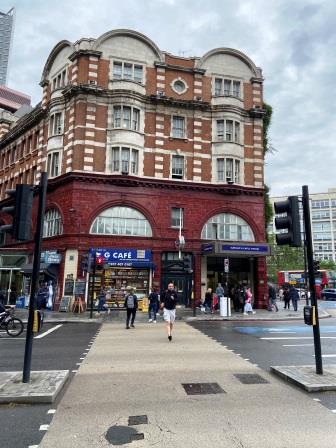
Green’s distinctive designs featuring oxblood terracotta tiles became a feature of the Northern, Piccadilly and Bakerloo Lines and many remain in use today. Their basic steel construction featured a flat roof that apartments and offices could then be built on. Three floors were added at Elephant and Castle.
Nearby
We exit the Bakerloo Line station and walk over towards the National Rail one. Elephant and Castle is changing fast. The old shopping centre which used to stand right next to the railway station has been demolished. It was the first American-style mall in Europe when it opened in 1965, but in recent years it had deteriorated. In its place the new “Elephant Quarter” is now being built.
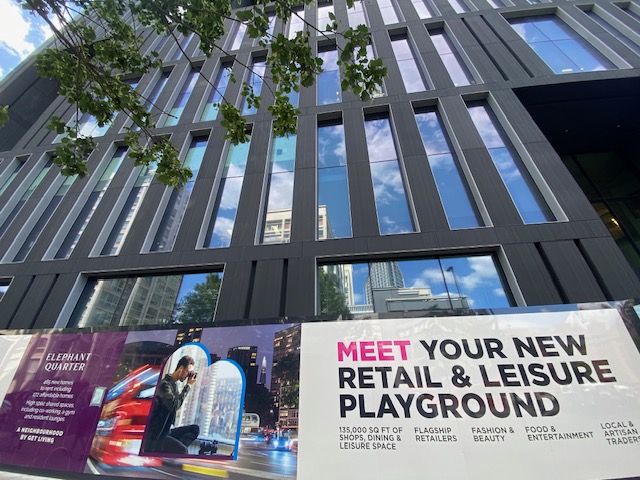
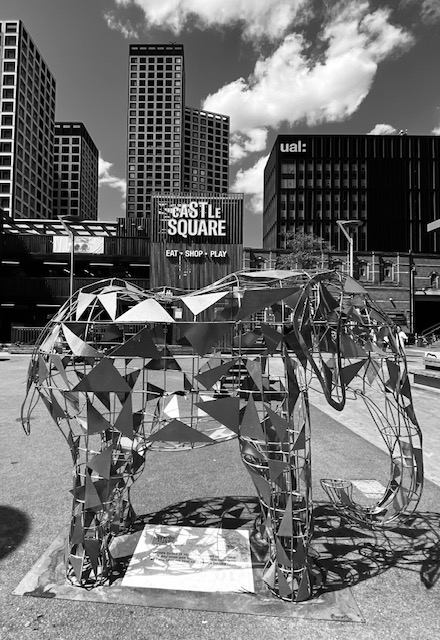
It is not quite ready yet, but we see signs advertising the new complex. There will be 485 homes to rent, including 172 affordable ones. High spec shared spaces, a gym and resident lounge are also promised. We see more regeneration on the east side of the National Rail station with pedestrian plazas and new green spaces suitably adorned with Elephant sculptures.
Baker
Elephant and Castle became a major hub for Latin Americans, especially Colombians, Ecuadorians, and Brazilians, in the 1970s. Attracted by affordable housing, immigrants settled here and eventually turned the local area into a cultural focal point complete with Spanish-language services and specialist businesses.

Chatica (Arch 3, Elephant Road, SE17 1LB) is one such business. It has been established for more than 15 years and occupies one of the arches directly under the National Rail station. It includes a Colombian bakery.
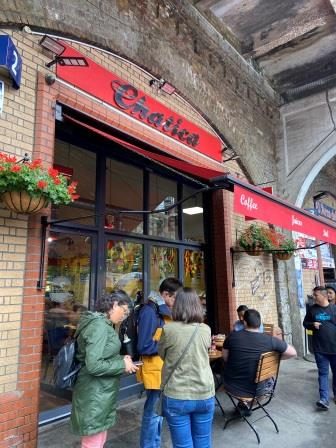
Chatica is one of the most popular UK-based Latin American food brands; its wholesale distributor arm brings Colombian and South American products to shops and restaurants across London and around the UK.
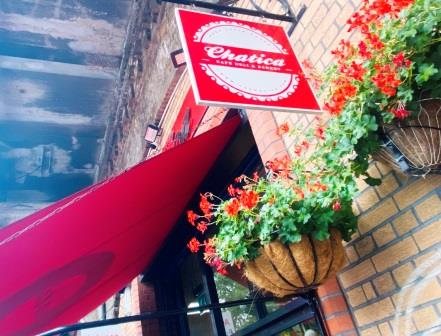
The flagship store here has a grocery shop and a little cafe. When we visit it is busy with locals having breakfast. Naturally the cafe serves 100% Colombian coffee.
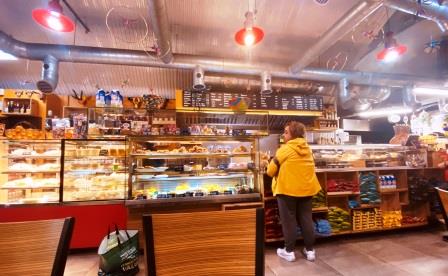
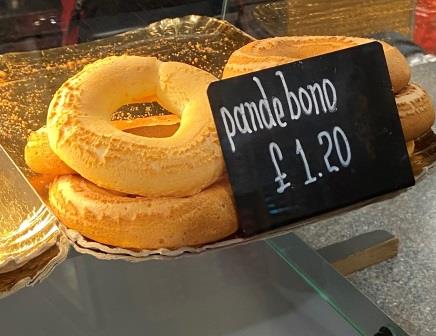
The bakery counter is offering freshly baked bread, different types of sweet pastries and empanadas. I opt to try Pandebono, a traditional Colombian cheese bread made with cassava (tapioca) starch.
Loo (National Rail Station)
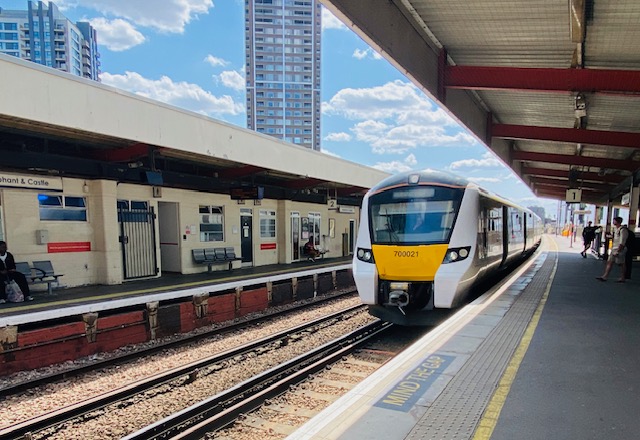
Elephant and Castle railway station opened on October 6, 1862, as a temporary terminus for the London, Chatham and Dover Railway. In 1864: The line extended further north to Blackfriars Bridge.
PHOTO
Today Thameslink provides the majority trains offering direct services north to Bedford and Cambridge or south into Surrey and Kent. The toilets are located on Platform 2.
Lambeth North
Lambeth North (0.82 km from Elephant & Castle) opened in March 1906.
Station
Lambeth North served as the southern terminus of the line for six months until Elephant and Castle opened.

The station’s name, originally Kennington Road was changed to Westminster Bridge Road after a few months. It became Lambeth (North) in April 1917 with the brackets being dropped a decade later.
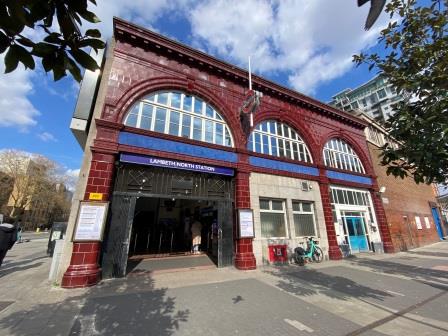
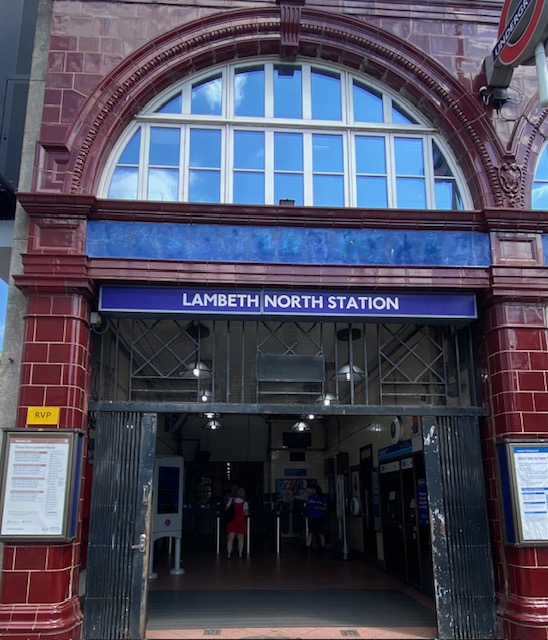
The surface building is another classic Leslie Green design. The second floor was designed to house the lift winding equipment, the large semi-circular arched windows are another distinctive feature of all Green’s UERL stations. Unlike at Elephant and Castle, there has been no construction above the station here.
Just around the corner from here the Bakerloo line has a small depot at St Georges Circus. It opened at the same time as the line in 1906 and is linked to the line by a junction just to the north of Lambeth North.

Nearby
Walking out of the station we find residential backstreets with local shops and pubs and then just a few minutes away is the Imperial War Museum with its many visitors from around the world.

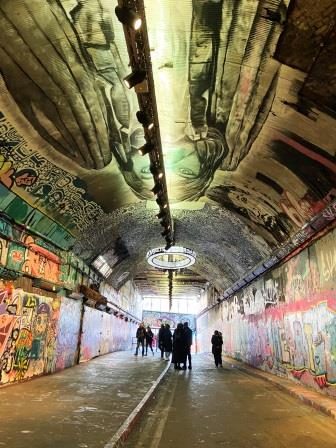
Walking towards Waterloo takes us past Leake Street, a constantly changing street-art tunnel tucked under the approach tracks for Waterloo station.
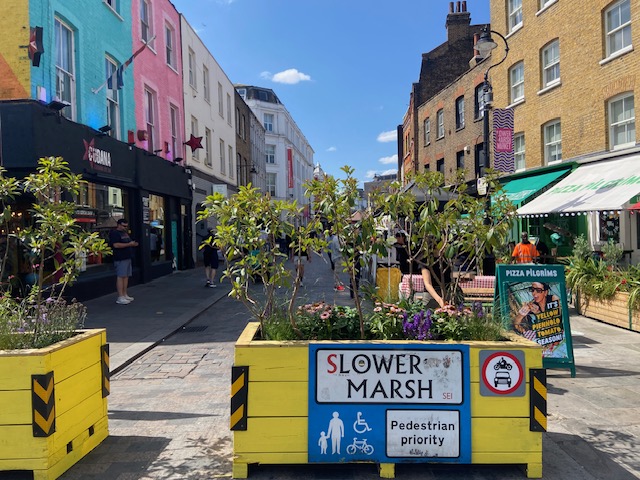
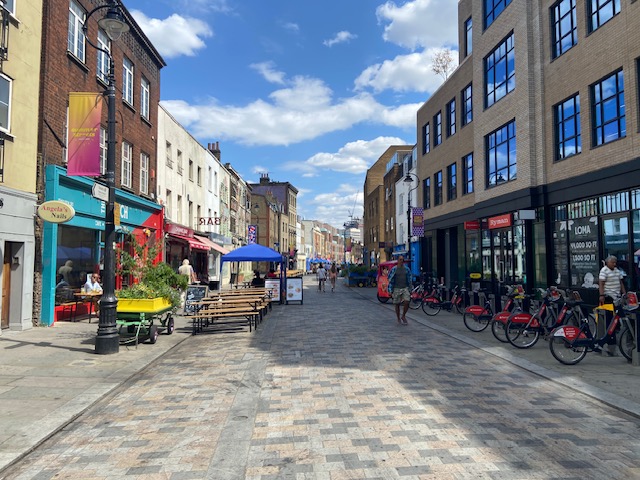
Here is Lower Marsh Market which according to a plaque at the entrance was so named because it lies on the site of the ancient Lambeth Marsh. The street market here has operated since the mid-nineteenth century.
Baker
The Cafe Pedlar (20 Lower Marsh, SE1 7RJ) has plenty of tables inside and outside for drinks but it also sells artisan bread. The lovely looking loaves that fill the shelves in the window come from sister business, the Little Bread Pedlar (founded 2010), every morning.
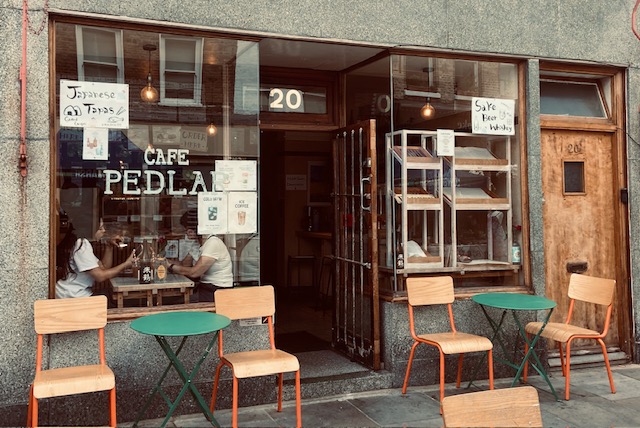
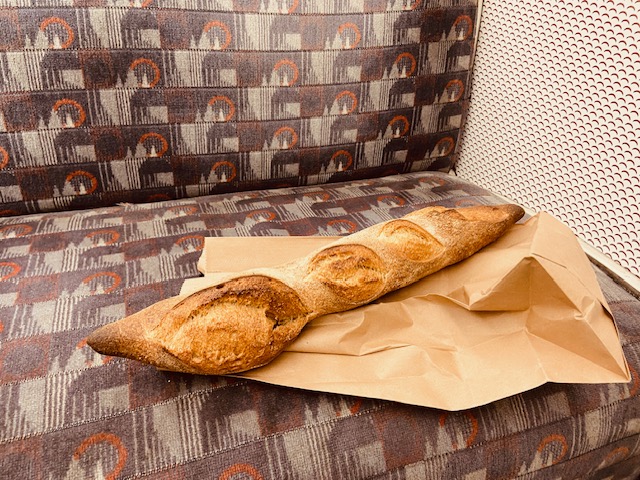
According to the sign on the window, White Sourdough, Wholegrain Sourdough, Seeded Sourdough, Baguettes and Ciabattas are available everyday. Focaccia is available Wednesday to Sunday and Raisin Sourdough and Irish Soda Bread is available Friday to Sunday. We get a baguette.
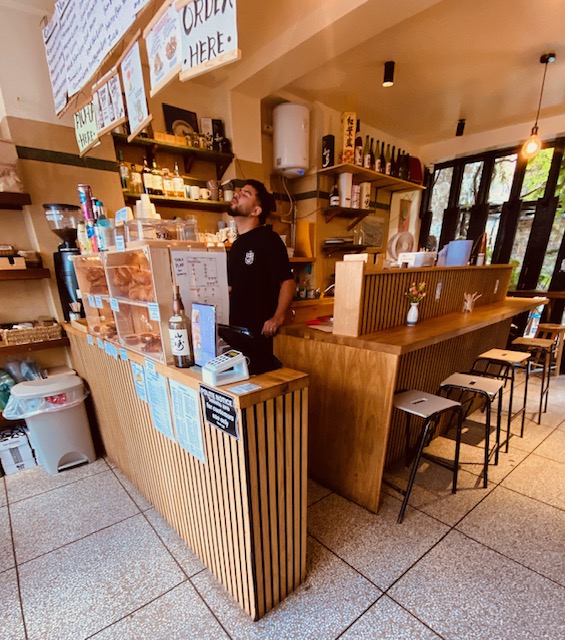
There is a Japanese theme too. They have miso and cheddar scones and matcha and white chocolate cookies. The place sells Japanese tapas and sake in the evening too. Further along Lower Marsh we find Tokyo Bagel, a Japanese bakery and cafe.
Loo
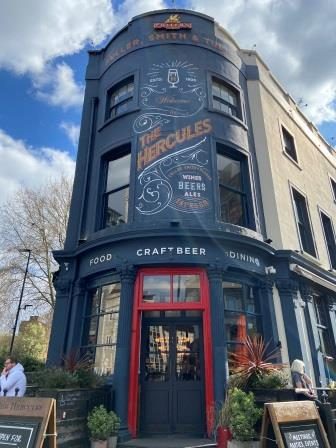
There is no toilet at the station, but the Hercules Pub (SE1 7BL) is opposite Lambeth North. Naturally the facilities are for customer use only but that shouldn’t be a problem as they have some great beers on tap and there is food too.
Waterloo
The Bakerloo Line arrived at Waterloo (1.45km from Elephant and Castle) in March 1906.
Station
The Bakerloo was not the first underground line at Waterloo; what is now the Waterloo and City Line had been opened by the London and South Western Railway in 1898 to link its terminus to Bank in the City of London.
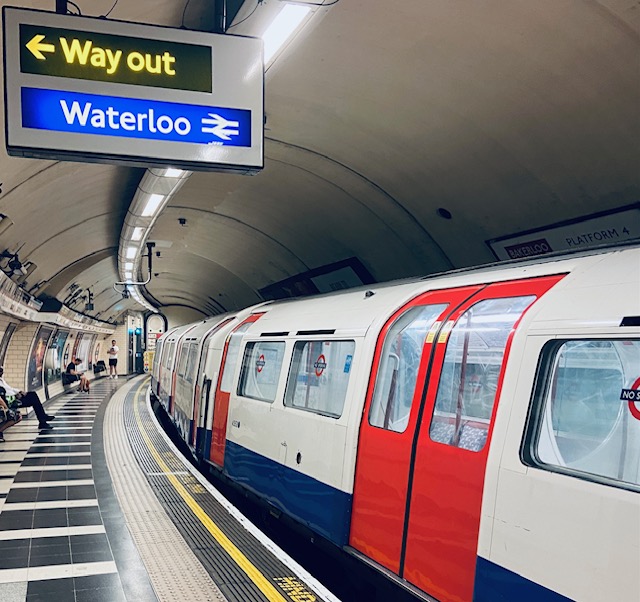

The Charing Cross branch of the Northern line arrived at Waterloo in 1926 and the Jubilee Line in 1999. The underground station complex has been modernised extensively over the years and several entrances provided including those on the main station concourse.
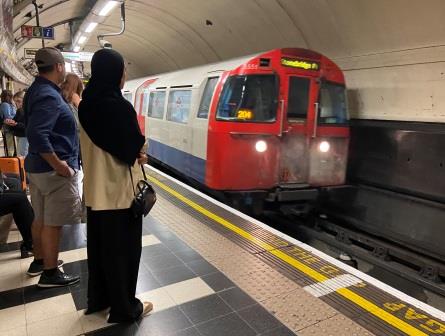
The original Bakerloo line surface building, another Leslie Green design, was on York Road connection to the platforms was by lifts. It was demolished in 1951 in preparation for the Festival of Britain. Its replacement, featuring escalators, was later integrated into the Shell Centre Complex.

Nearby
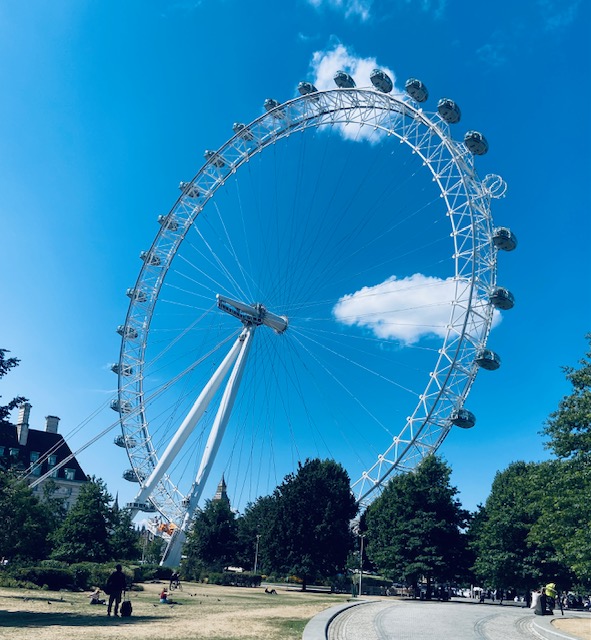
We come out of the original exit and walk past the Shell Centre. We continue walking towards the river. In front of us is the London Eye. it opened in 2000; a walk up ticket costs £39.
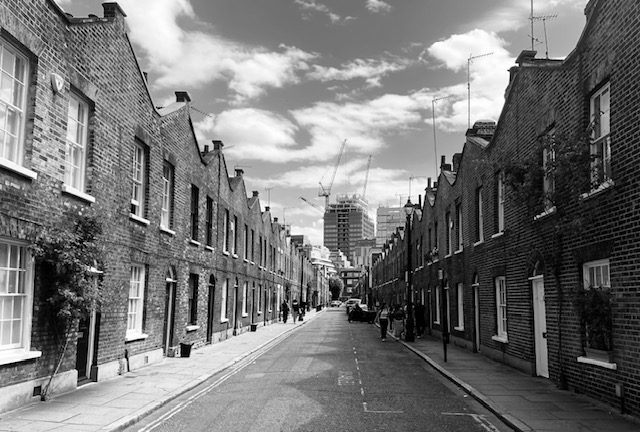
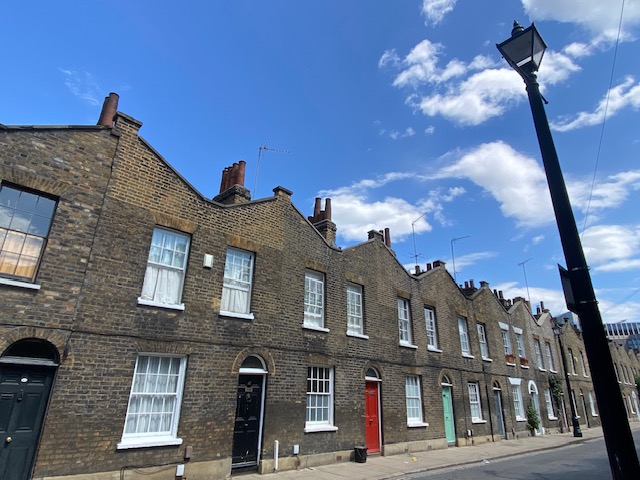
A stroll to the other side of Waterloo Road brings us to Roupell Street, a quiet 19th-century terraced street which is remarkably well preserved and often used as a film set for period dramas.
Bakery
Back in 1993 Konditor (22 Cornwall Road, SE1 8TW) was established on a corner of Roupell Street. Formerly known as Konditor & Cook, the business now has four shops around London all decorated in their distinctive purple colour scheme. The original shop here is still going strong.

Konditor, which translates from the German for confectioner or pastry chef was founded by German-born master pastry chef, Gerhard Jenne. The company mission is to “spread joy through cake. It is certainly an honourable goal.
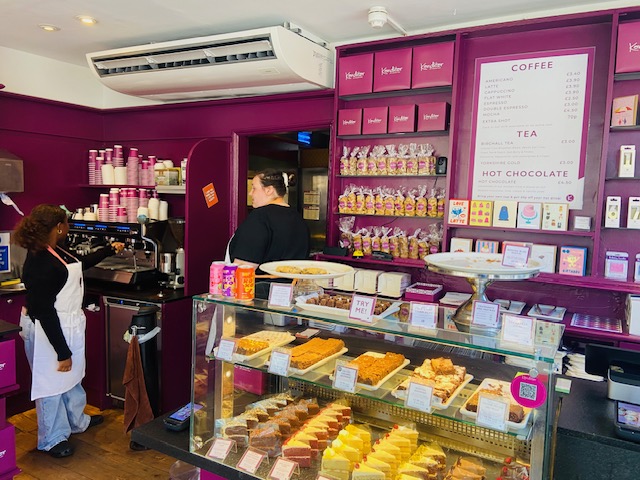
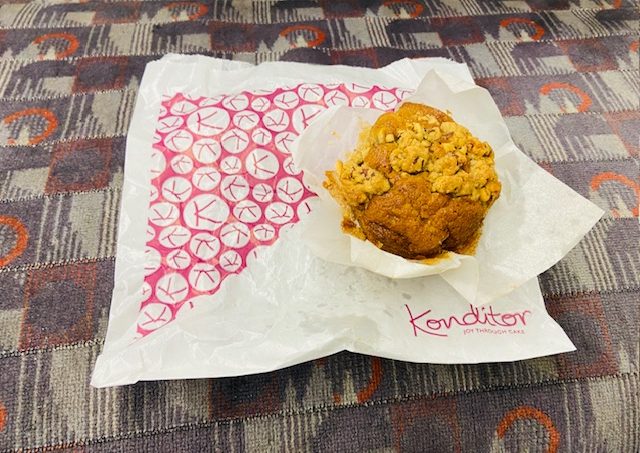
Konditor specialises in handcrafted celebration cakes and their website is full of wonderful examples. The shop here also seems to be doing good business with people buying brownies and smaller cakes to take away in attractive boxes. We go for some muffins.
Loo (National Rail Station)
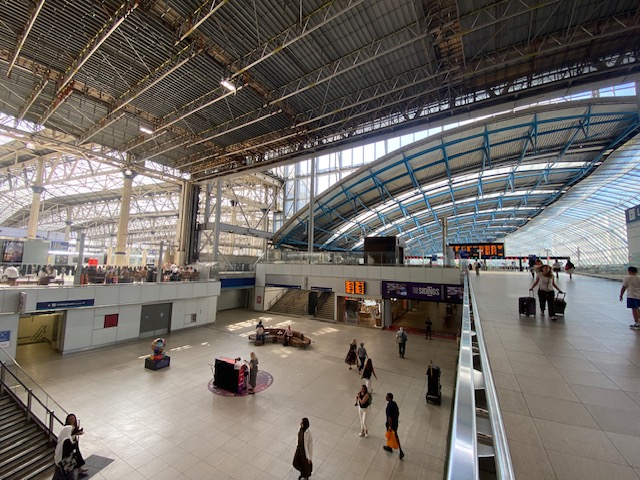
London Waterloo, one of the busiest and terminals in the UK, was first opened in 1848. It was extensively rebuilt in the 1920s when the Victory Arch was added as as a grand war memorial and entrance.
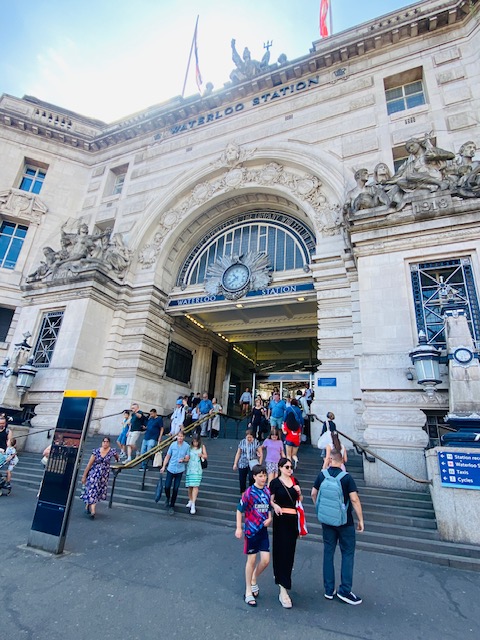
Its 24 platforms serve the southwestern suburbs as well as places like Portsmouth Southampton, Weymouth, Salisbury and Exeter. Public toilets are available on the main concourse opposite platform 18.
Embankment
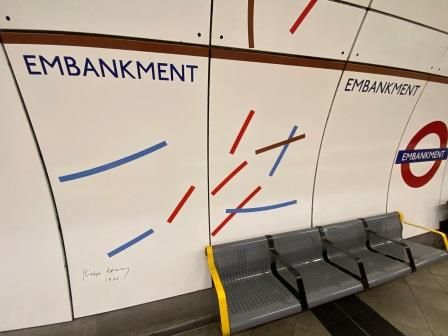
The Bakerloo Line platforms at Embankment (2.16km) opened in March 1906.
Station
The District Railway (today’s District Line) arrived here in 1870 and named its station Charing Cross. In 1906 the Baker St & Waterloo Railway built its platforms at right angles to those of the District and used the name Embankment.
PHOTO
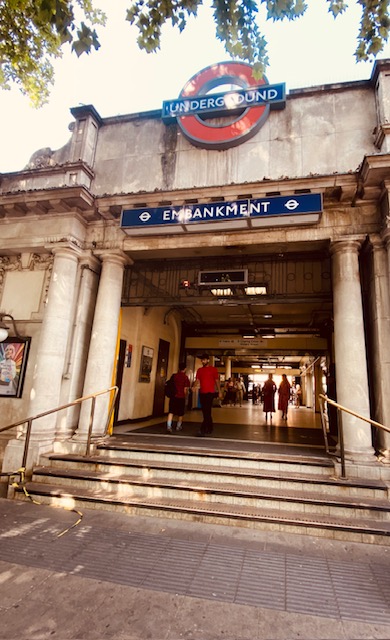
Given that the District already had a station on site, no surface building was provided for the Bakerloo. There were no lifts between the platforms, passengers initially accessed the new tube trains using a long sloping passageway.
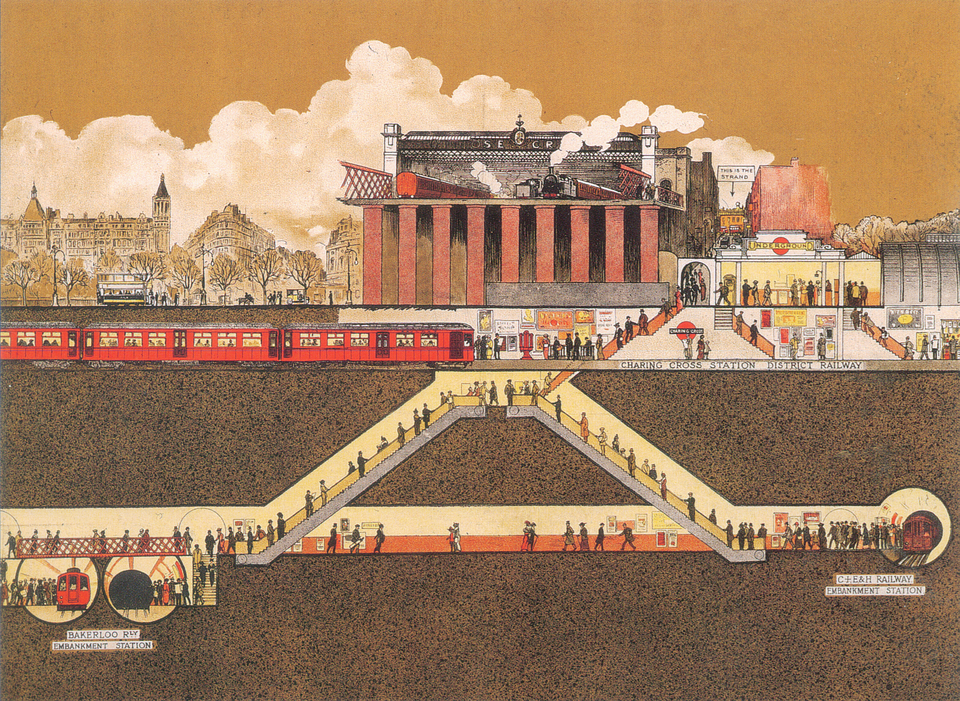
The Charing Cross, Euston and Hampstead Railway (today’s Northern line) arrived in 1914, originally having just one platform on a terminating loop before extending towards Waterloo in 1926. From 1914 onwards the combined station, now fitted with escalators, was known as Charing Cross with the suffix Embankment in brackets also used for a short time. In 1976 it finally became Embankment to free up the name Charing Cross for the next station to the north.
Nearby
We come out of the station’s south exit which brings us face to face with the Thames. Charing Cross pier is directly across the road and Cleopatra’s Needle, a genuine ancient Egyptian obelisk stands at the rivers edge a short distance to the left.
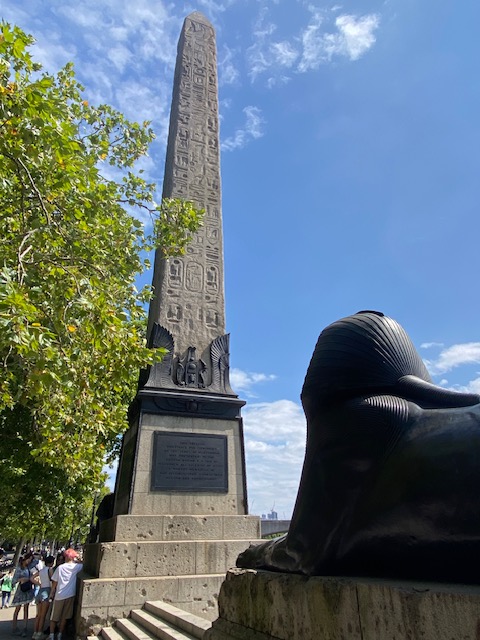
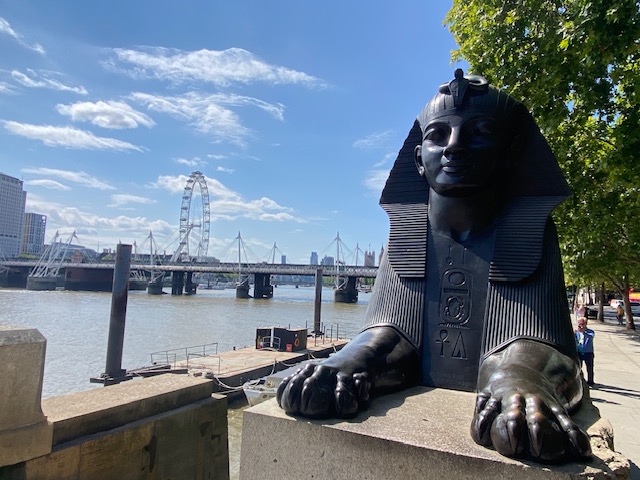
As we look back from the obelisk past the sphinx, there is a clear view of the river curving towards Westminster. The Hungerford Railway bridge cuts across the river carrying the lines out of Charing Cross. The cable-stayed jubilee footbridges are also visible in front of the bridge.
We cross back over the road and return to the station cutting through Victoria Embankment Gardens. Deckchairs are usually available and they are free to use.
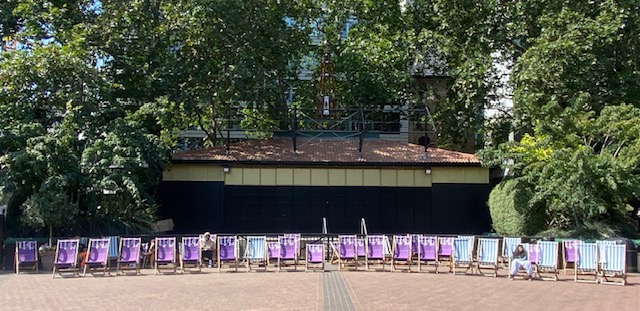
The gardens were created in the 1860s and 1870s on the top of Sir Joseph Bazalgette’s sewer project to clean up the River and reshape its banks.

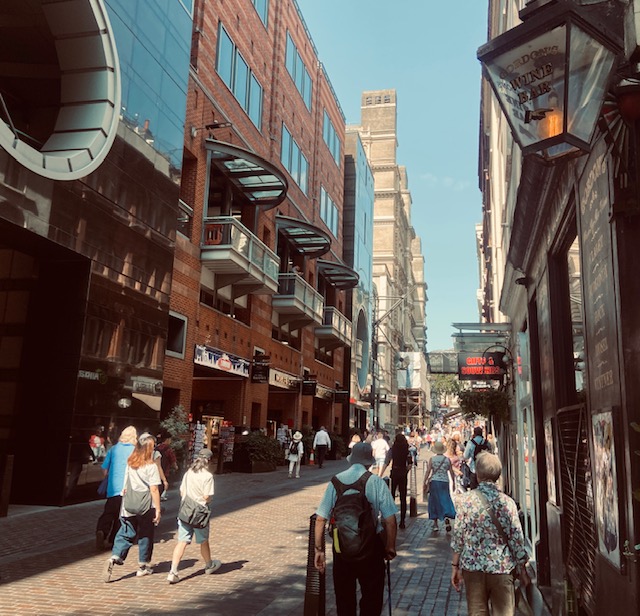
We exit the gardens and are now at the northern entrance to Embankment Station. Here is pedestrianised Villiers Street which runs along the eastern side of Charing Cross railway station.
Bakery
A short way along the street is a branch of Buns From Home (40 Villiers Street, WC2N 6NJ). It was started in the 2020 lockdown by founder Barney Guff in his mother’s kitchen. The chain is famous for hand-rolled, flaky croissant-style pastries which come with a variety of different fillings.
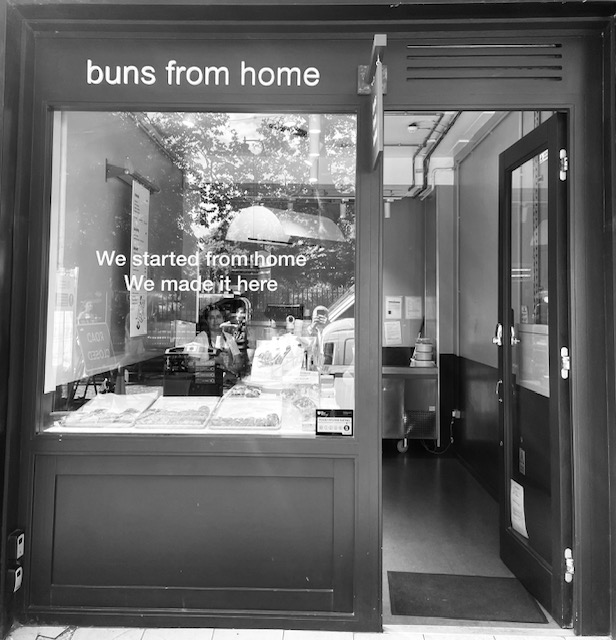
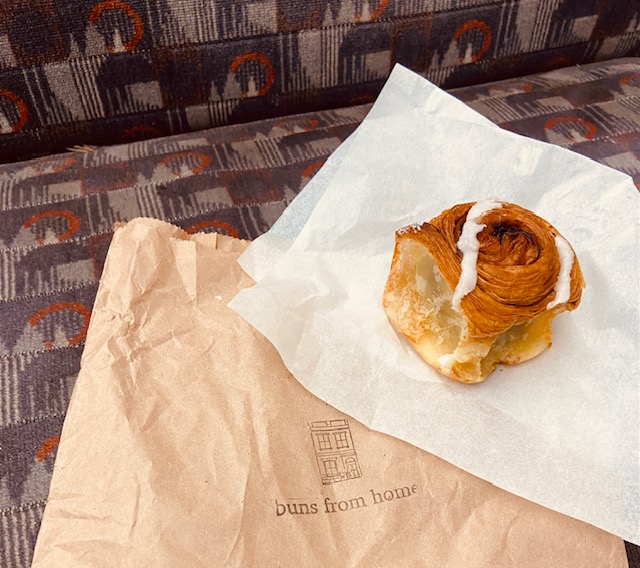
Although there are a variety of savoury fillings on offer, including caramelised onion & confit garlic and ham & cheese, we go for the more conventional cinnamon buns. They are pretty good, nice and crispy on the outside but moist in the middle.
Loo
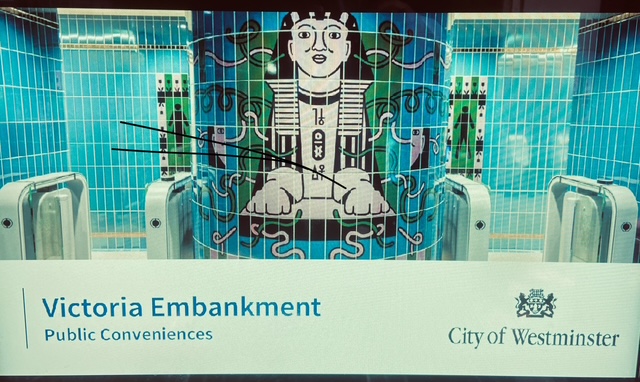
The nearest conveniences are the newly refurbished Victoria Embankment Toilets literally just outside the station on Embankment itself.
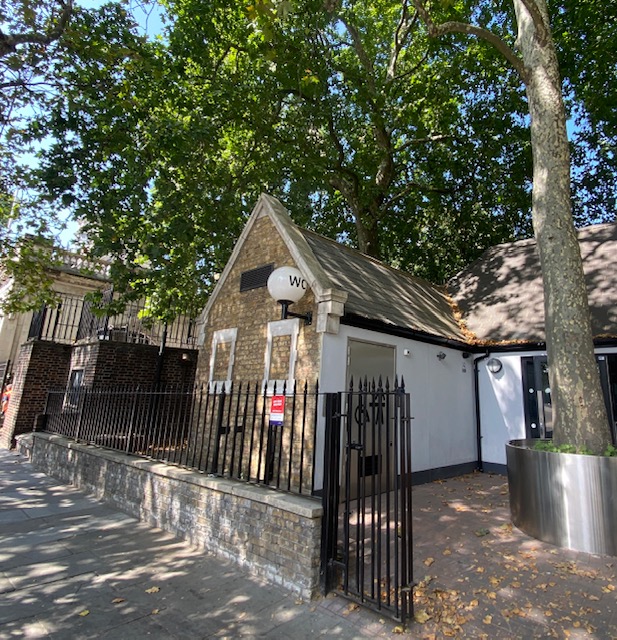
They are operated by Westminster Council who charge a £1 to enter through modern ticket gates.
Charing Cross
Originally known as Trafalgar Square, Charing Cross (2.53km) opened in March 1906.

Station
The Bakerloo line station here didn’t have a surface building, instead, an underground concourse was accessed by three entrances around the square. The platforms were originally connected to the street via lifts and a spiral staircase.
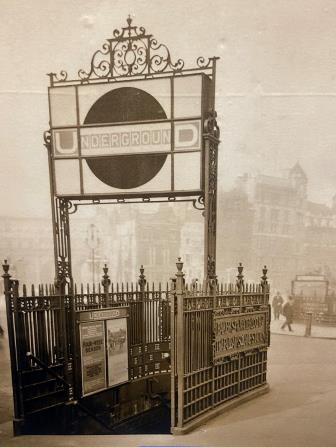
In June 1907, just over a year after the Bakerloo arrived, the Charing Cross, Euston and Hampstead Railway (today’s Northern Line) created its own terminus station nearby and named it Charing Cross. When an extension to the District Line’s Charing Cross (today’s Embankment) station was completed in 1914 the original terminus then became Strand.
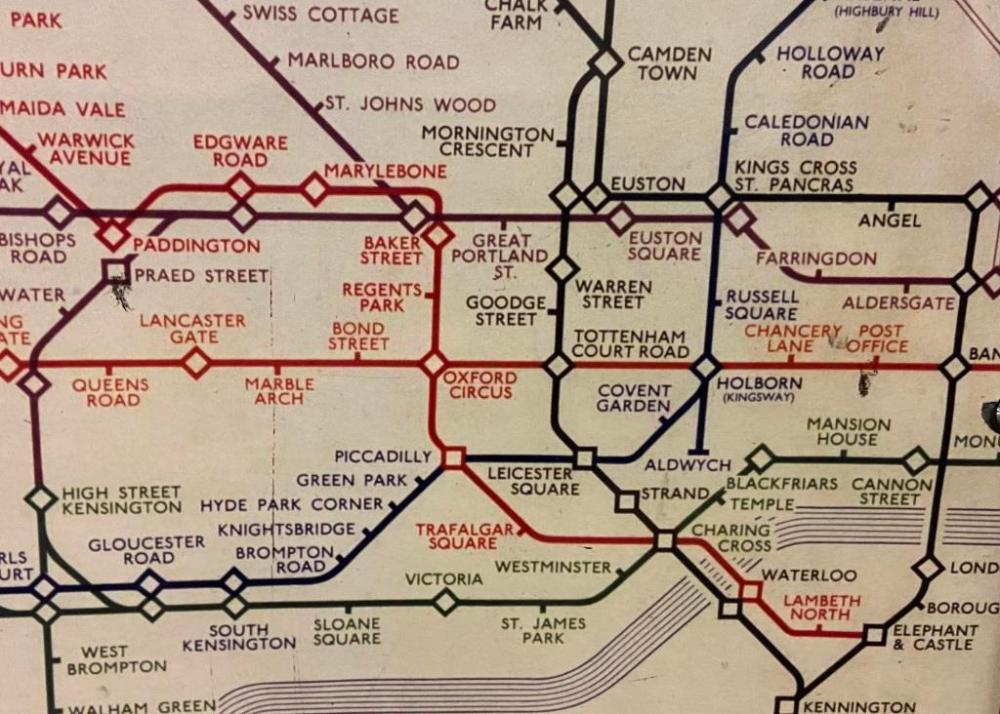
The Bakerloo Line’s Trafalgar Square got escalators to replace its lifts in 1926, but until the 1970s it remained distinct from the Northern Line’s Strand station. Beck’s tube map actually makes the two stations seem even further apart than they actually were.

The planned arrival of the Jubilee Line in the late 1970s led to connections underground being made between the two stations. The whole complex was then renamed as Charing Cross. The Jubilee terminated at Charing Cross between 1979 and 1998 before being diverted from Bond Street to Westminster.

Nearby
We use one of the traditional Bakerloo Line entrances to emerge into Trafalgar Square, the geographical centre of London.
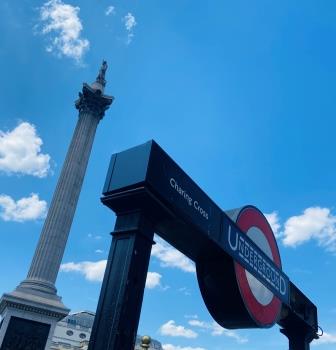
The square is named to remember the British naval victory at the Battle of Trafalgar in 1805 and features Nelson’s Column, giant bronze lions, and sits next to the National Gallery.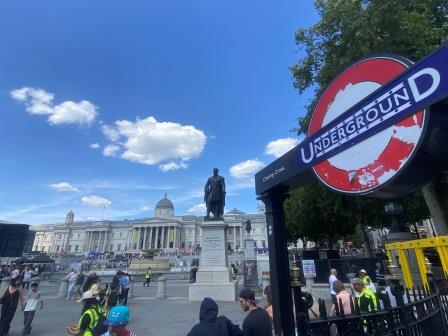
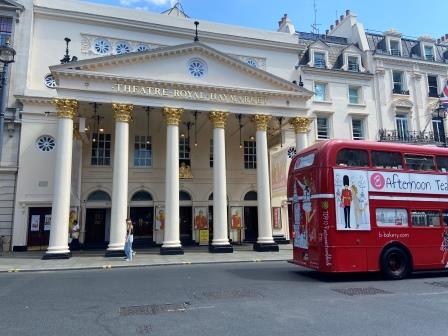
We head towards Haymarket, which runs up from Trafalgar Square towards Piccadilly Circus has been an entertainment hub since the 17th century and is home to famous theatres like His Majesty’s and the Theatre Royal.
Baker
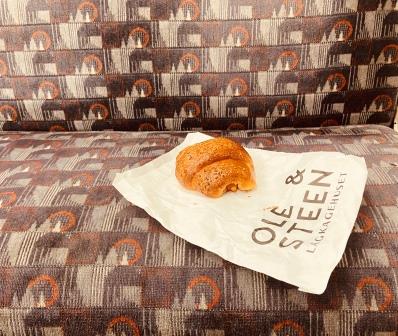
Just across the road from the Theatre Royal is the first UK branch of Danish bakery and coffee house chain Ole & Steen (56 Haymarket, SW1Y 4RP). Opened back in 2016, it marked the first expansion of the chain outside Denmark.

The name refers to the two founders Ole Kristoffersen and Steen Skallebæk who, having set up different bakeries in the early 1990s, merged their businesses in 2008. The merged company was known as Lagkagehuset in Denmark.

On top of around 100 stores in Denmark, there are now more than 20 branches around London and the chain has now started to expand into the USA too.

Available here are all kinds of breads, including Copenhagen Sourdough, Skagen (Seeded Sourdough) and Rugbrod (Rye Bread). Naturally there are Danish pastries and there is even a Danish style sausage roll; we go for that.
Loo (National Rail station)
Charing Cross station was opened in 1864 by the South Eastern Railway and was built on the site of the old Hungerford Market. Outside the station in the forecourt is a replica of an ancient Eleanor Cross which used to stand nearby. The 70-foot high stone monument was commissioned by the railway company in 1865.
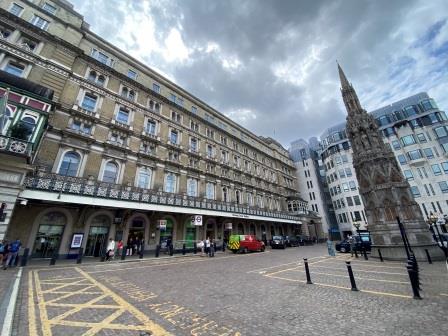
Today, Charing Cross still serves as a major commuter terminal for trains heading into the southeastern suburbs of London and into Kent. The toilets are located on the main concourse opposite Platform 3 XXXX.
 Trains To Beyond