On the trail of long lost railways in Derry and Donegal
The Plan
In the summer of 2026, I got the chance to go back to Northern Ireland. As well as revisiting Belfast, I planned to spend time in Derry-Londonderry. I would also make some cross border trips into the Irish Republic in search of lost railways including the County Donegal narrow gauge network which also used to serve Derry itself. I had first visited Northern Ireland in 2023 on my own but on this trip I would be accompanied by my wife.
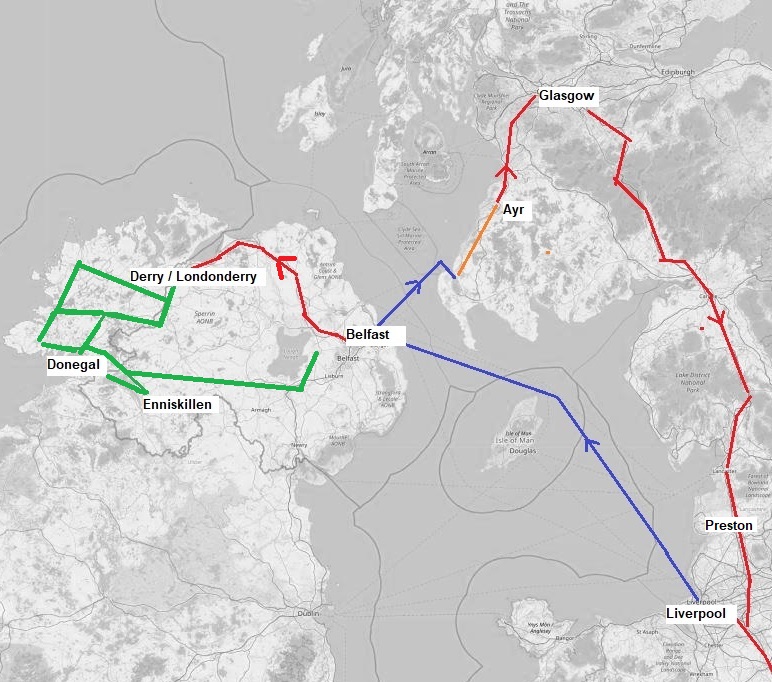
The trip would have us catching an overnight ferry from Liverpool to Belfast followed by an early morning train to Derry-Londonderry. After two nights in Northern Ireland’s second city, we would rent a car and spend another few days in and around Donegal before heading back to Belfast. We would return to Britain using the shortest sea crossing to Cairnryan and then head home via Glasgow.
More on – The History of Railways in North-West Ireland
Day One – Liverpool.
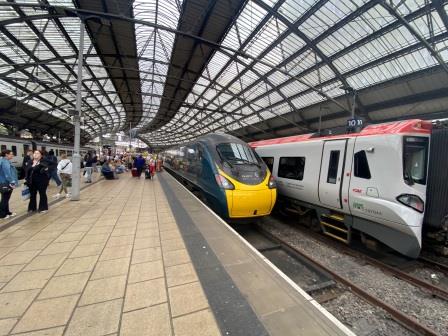
Despite leaving behind schedule and being around ten minutes late for most of its journey, our train from Euston managed to crawl through the tunnels from Edge Hill and emerge into Liverpool‘s Lime Street station almost on time. At 17:30 on a Saturday evening the place seemed to be very busy.
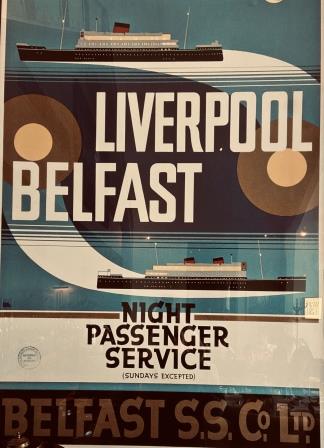
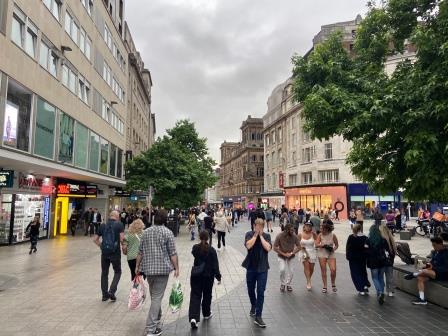
Our ferry to Belfast was departing from Birkenhead at 22:30. We could have got the underground direct from Lime Street but with a bit of time in hand before the check in opened, we had decided to have a bit of a walk.
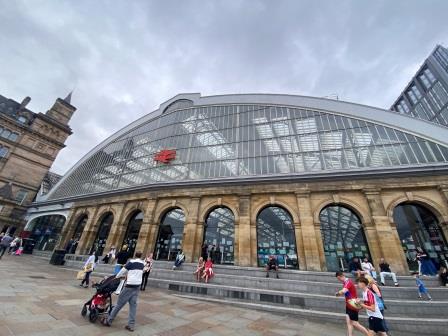
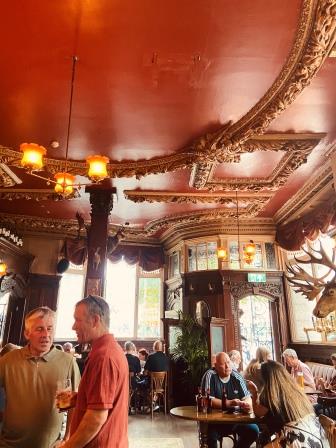
We had a drink in the Vines, a beautifully restored Edwardian pub near the station, and then walked down towards James Street. London had been suffering from a heatwave but we soon noticed it was quite a bit cooler up north.
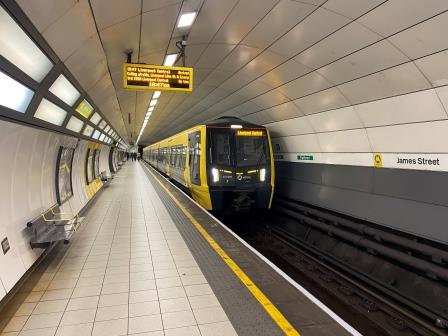
Merseyrail
We caught one of the new Class 777 Merseyrail trains from James Street across to Hamilton Square on the opposite bank of the Mersey from where we were intending to walk to the ferry terminal.
Just as I was looking at the map, a Stagecoach double decker with “Stena Line” on its destination blind pulled up outside the station and started depositing passengers. The driver seemed surprised to see us but agreed to take us back to the port.
Stena Line
We were at the terminal in a few minutes and checked in quickly, without the need to prove identity. There were only about twenty other foot passengers and we all waited for more than an hour in the departure lounge.
At around 21:00 we were led out to the same bus we had arrived on and then driven on to the vehicle deck of the 41,671 ton Stena Embla. The ship, less than five years old, seemed spacious and modern.
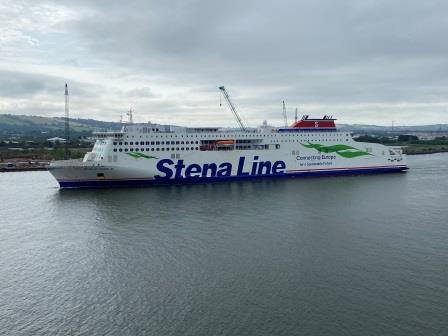
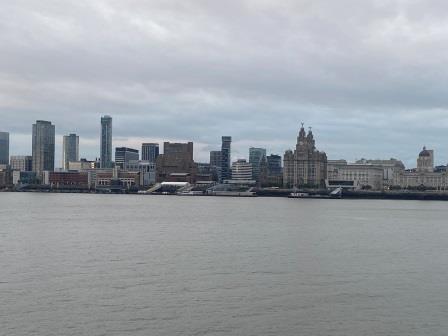
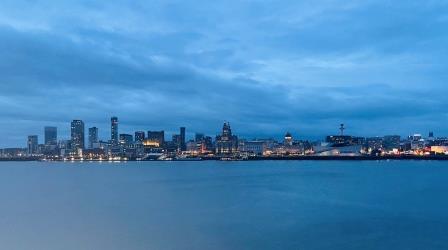
We grabbed a quick meal in the restaurant before retiring to the cabin we had booked. At 22:30 exactly, following a safety briefing from the captain, the ship began to move. As we manoeuvred slowly up the Mersey, I glanced out at the lights of Liverpool.
Day Two – Grand Central
We were out of our cabin by 06:00 and standing up on deck as the ship made its way slowly up the River Lagan. We docked within minutes of our scheduled 06:30 arrival time.
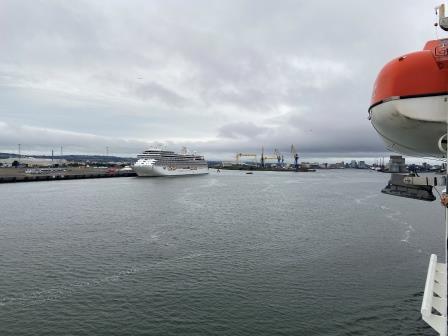
There was no obvious public transport option available so we fell straight into the clutches of a Belfast taxi driver. He pulled out a wad of twenty pound notes and, explaining it as if we had never seen the currency before, told us it would cost £20 to take us into the city. What the hell ! We agreed and within twenty minutes of stepping off the Stena Embla, we were at Grand Central.
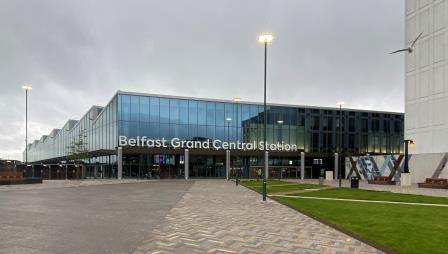
The beautiful new station, opened since my last visit to Belfast, had replaced Great Victoria Street and the Europa Buscentre. It boasts twenty six bus stands and eight rail platforms served by a sparkling concourse.
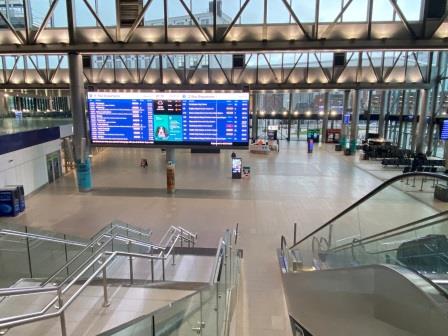
At 07:00 it was pretty empty but we found Pret, Starbucks and M&S all open for business. As the first train to Derry-Londonderry was not due out until 09:10 we settled down for a bit of a wait.
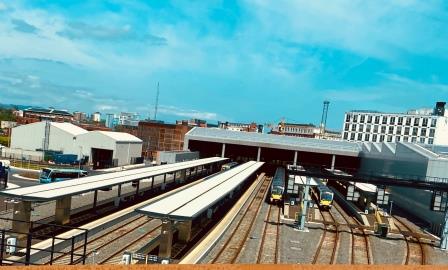
Translink
On Sundays, Translink offer a whole rail network ticket for just £10. As the regular single price to Derry-Londonderry is £15 this was obviously a good deal. The 09:10 departure was formed of a six-car Class 400 diesel multiple unit manufactured by CAF back in 2012.
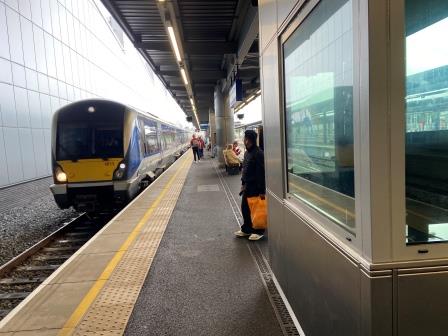
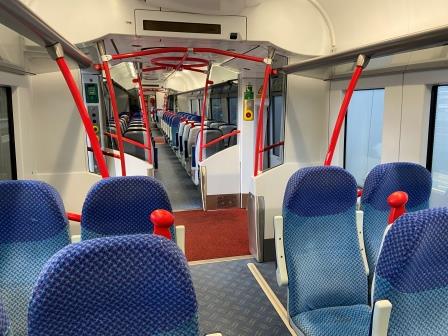
It wasn’t busy. We grabbed one of the bays of four seats around a table and settled down for the ride. There was an elderly Japanese couple sitting behind us and a guy working on his laptop across from us. Otherwise, the train was pretty empty.
Scenic Route
We set off and skirted the city. As far as Whiteabbey the line shared its route with the Larne branch, thereafter it became a single track railway.
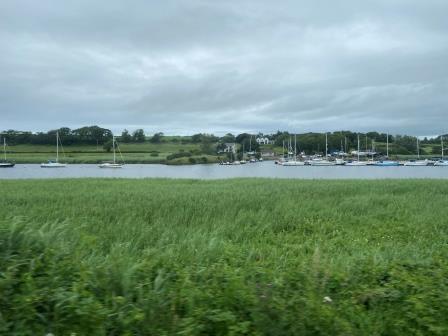
We made good progress. We made stops at all the stations including Antrim, Ballymena and Ballymoney. The train got a little busier as we went on, but I noticed that a lot more people were waiting on the opposite platforms to travel into Belfast on a Sunday morning.
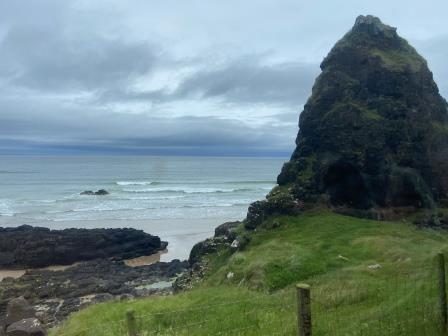
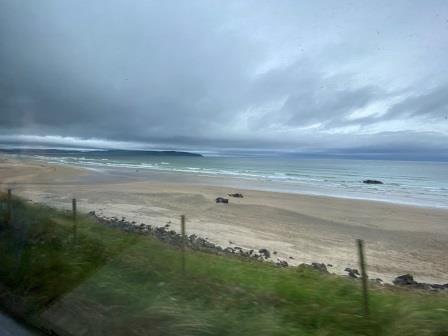
After Coleraine, the line passed through a tunnel and then skirted the coast, running along the sands of Benone Strand. We enjoyed fabulous uninterrupted views of the Atlantic Ocean and the North Coast. This is celebrated as one of the most scenic railway stretches in the British Isles. It was easy to see why.
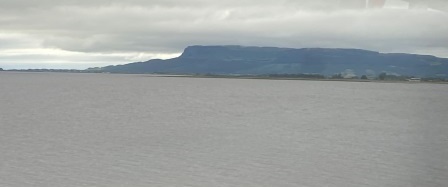
Eventually we picked up the estuary of the River Foyle and wove our way along the east bank. We passed under the Foyle Bridge and then the city itself came into view. We arrived on time at 11:22. As we alighted from the train it started to rain.
Waterside – Derry-Londonderry
Derry-Londonderry lies on both banks of the River Foyle about 6 km (4 miles) upstream from where the river broadens into Lough Foyle and flows toward the Atlantic Ocean.
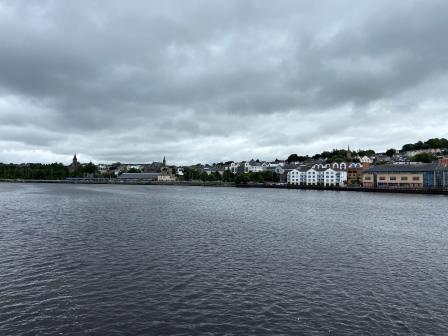
The city’s historic walled centre stands on the west bank, whilst newer development has spread across the east bank. Derry-Londonderry has a large Catholic majority population and traditionally they have resided on the west bank, whilst the Protestant community has been stronger on the eastern side.
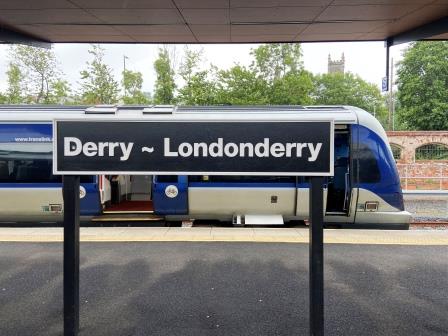
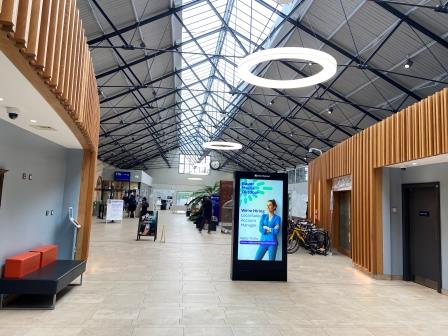
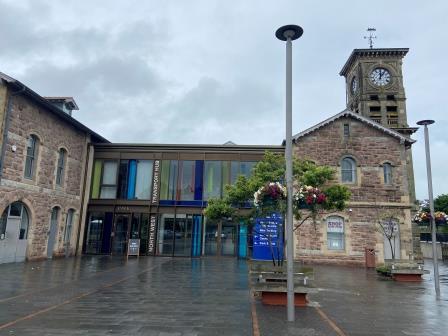
Waterside was a beautiful example of how a heritage station can be transformed for modern use. The old structure with its distinct Italianate clock tower had been retained but the inside had been completely refitted with a travel centre, café and community event space.
We grabbed a coffee in the café waiting for the rain to abate and then made our way over to the Airbnb we had reserved. The little flat where we would spend two nights was just a few minutes’ walk away in Clooney Terrace. It was perfect.
Murals and Marches
We dropped our things off at the flat. The plan was just to get a rough overview of Derry-Londonderry, see some of its famous murals, walk its walls and do a bit of shopping. I found a “Visit Derry” map on the kitchen table. Helpfully, it had the “mural areas” printed on it in purple.
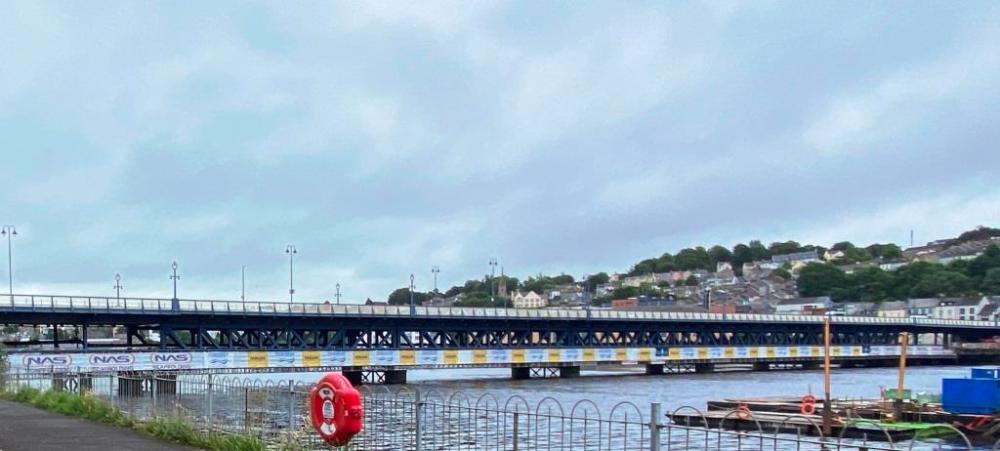
I plotted a route that took us across the double deck Craigavon Bridge and then around to the Fountain estate, the last remaining working-class Loyalist enclave on the mainly Nationalist Cityside.
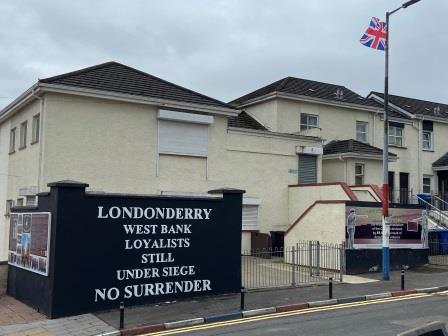
With the Twelfth of July, the most significant date in the Orange Order calendar approaching, many of the lampposts in the street had Union Jacks and other loyalist flags attached to them.
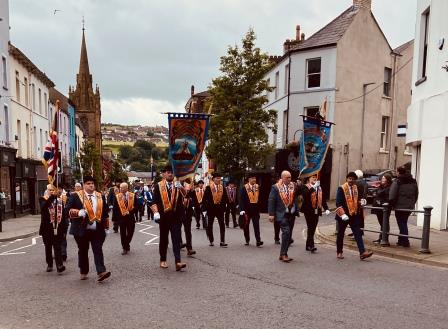
As we walked on through the city centre, we stopped to watch an Orange Order parade pass by. There was a heavy police presence, but the whole thing seemed to be passing off peacefully. It was being ignored by some people and supported by others.
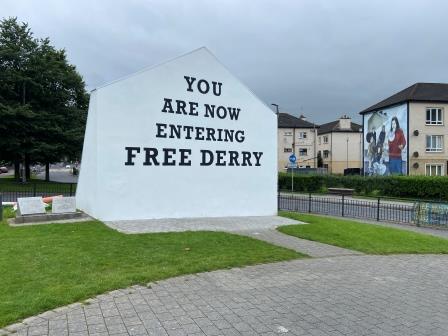
Next we went across to Rossville Street, the heart of the Nationalist “Bogside” area where the iconic “You are now entering Free Derry” wall sits.
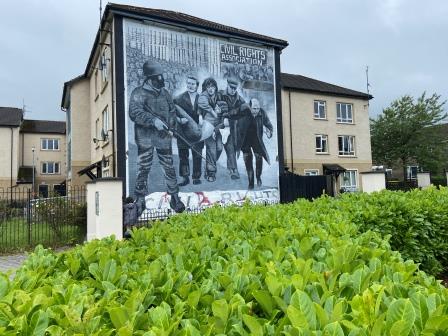
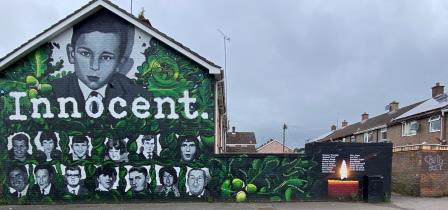
It is at the centre of a dozen or so striking murals that depict the events of the Troubles from the Civil Rights marches of the 1960s, Bloody Sunday in 1972 and the Hunger Strikes of the 1980s.
Peace
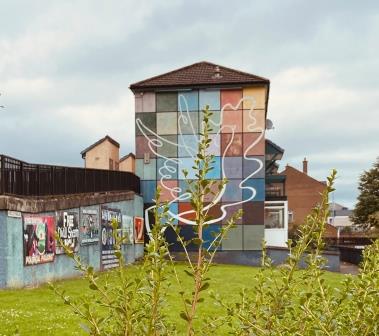
One of the Rossville Street murals symbolised the transition towards peace and there were other symbols of reconciliation throughout the city.
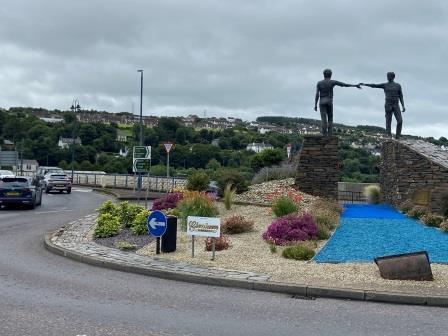
The “hands across the divide” sculpture of two men reaching out to each other symbolises the spirit of reconciliation and hope for the future; it was unveiled in 1992. The fact that the hands are not quite touching is significant.
It is extremely difficult for an outsider on a brief visit to understand, but the two communities seem to be living side by side in relative harmony.
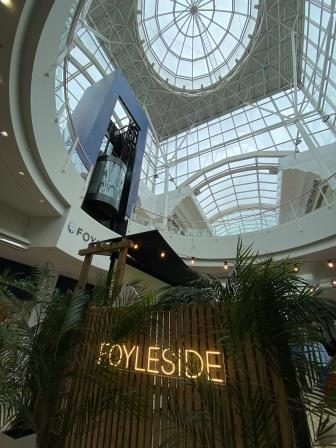
The city didn’t feel as prosperous as Belfast but it had certainly had a fair amount of investment. We found the Foyleside shopping complex with the usual complement of retail outlets busy with shoppers.
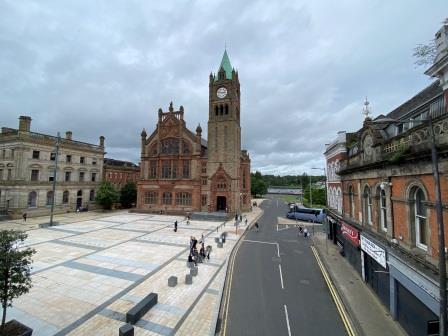
Guildhall
The Guildhall (1887) is probably the most striking building in the city. It is constructed in neo-Gothic style with a clock tower that is a scaled-down version of Big Ben. The building endured a fire in 1908 and a bomb attack in 1972. It was fully restored in 2013.
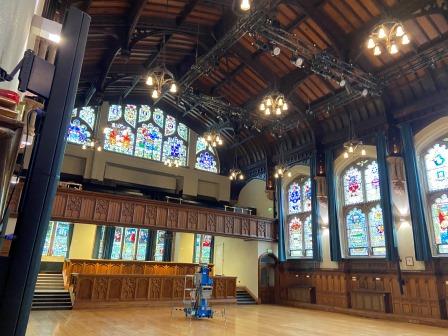
It was free to enter and we had a good wander around Inside. The building features one of the finest collections of stained glass in the UK.
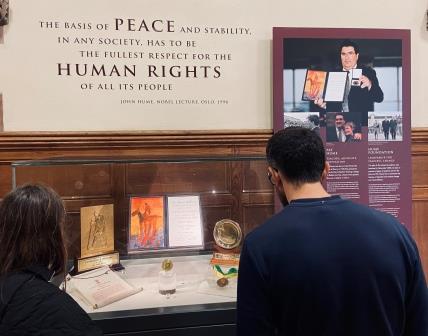
There was a permanent exhibition detailing the Plantation of Ulster along with displays featuring John Hume’s Nobel Peace Prize and the Bloody Sunday Inquiry which was held in the building. All were fascinating to see.
Walls
We circumnavigated the city on the city walls. Built between 1613 and 1619 to protect the English and Scottish planters, the walls stretch about 1.6 km (1 mile) in total.
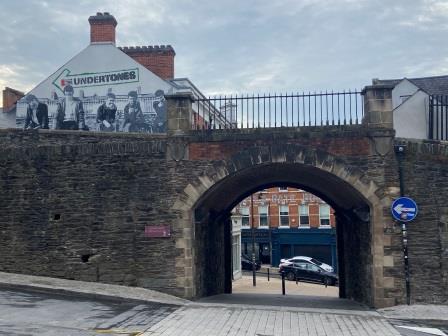
The original city featured four gates but three more were added later. The walls preserve the original street plan which radiates out from a central square known as “The Diamond”.
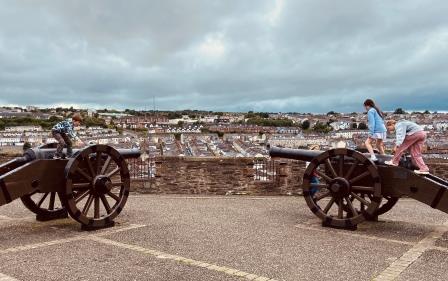
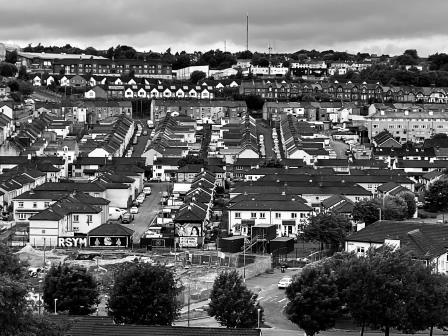
The top of the wall features an elevated walkway, providing a unique vantage point over the city’s historic layout and the River Foyle,
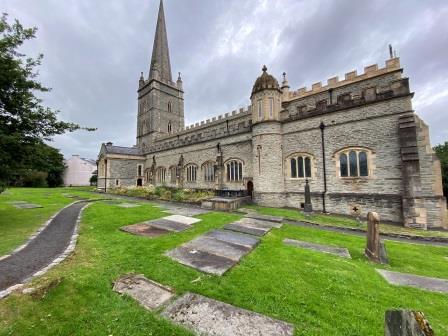
Derry Girls
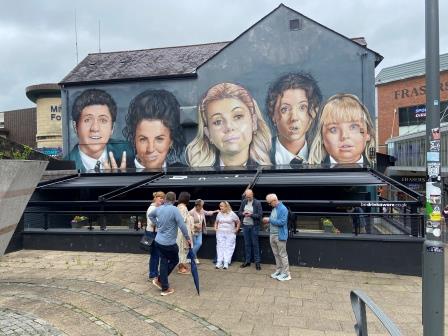
As we completed a full circle of the walls, we noticed the Derry Girls mural on the side of the Badger’s Pub. The hit television series has done so much to raise the profile of the city and it was fascinating to see groups of tourists, many of them foreign, lining up to have their photographs taken in front of it.
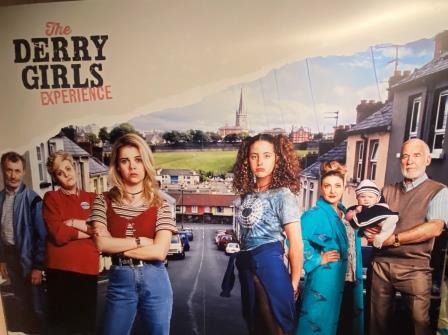
The Derry Girls Experience at the Castle Museum was also a delight. We wandered around looking at props and costumes from the series including the Northern Ireland Railways drinks trolley used in the “£50 Kit Kat” scene.
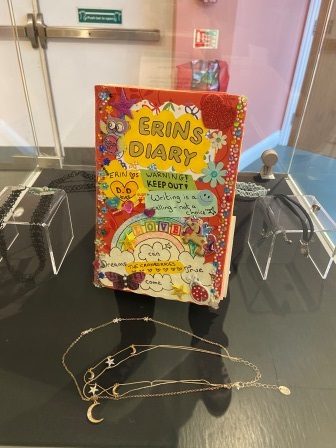
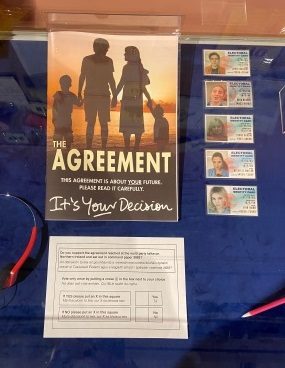
They were playing little clips from the series on repeat in various places. One cabinet had a copy of the Good Friday Agreement brochure and a voting slip. The clip playing next to it was from near the end of the last ever episode where, serenaded by ‘Dreams’ by the Cranberries, the central characters vote for the agreement.
As we stood there watching it there were two ladies standing next to us speaking in local accents. One suddenly said to the other, “I remember all this, I remember the song too, oh Jesus, I am welling up.” She wasn’t the only one.
Pubs
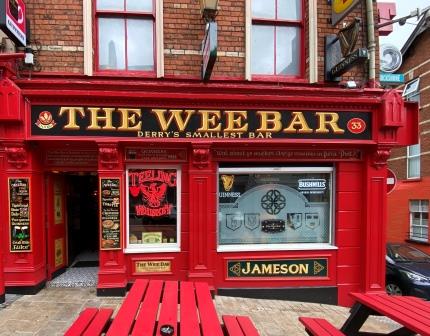
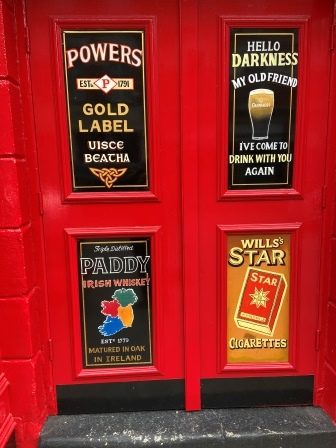
When I ordered a pint of Guinness at the Wee Bar at O’ Loughlin’s, the barmaid burst out laughing. She apologised and explained that she had thrown three young children out of the pub earlier on, not realising they were part of the afternoon’s booked entertainment, a family singing group. She was repeating the story to everyone and couldn’t stop laughing.
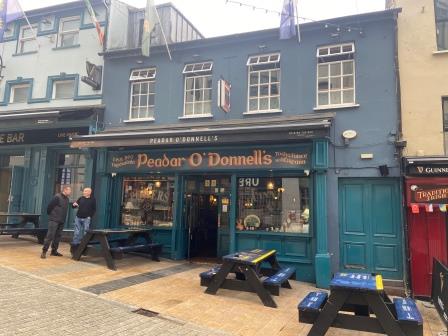
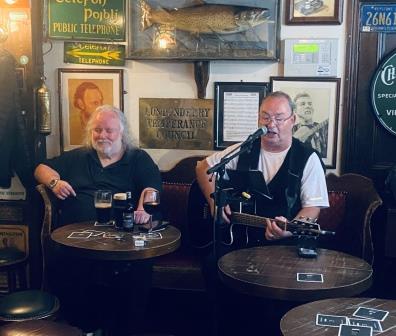
We managed to visit a few excellent pubs in Derry-Londonderry. Our favourite was probably Peadar O’Donnell’s. We sat in there examining their flag collection and Derry City F.C. shirt. We chatted to a few people about the 2026 World Cup and listened to a local duo sing some traditional songs.
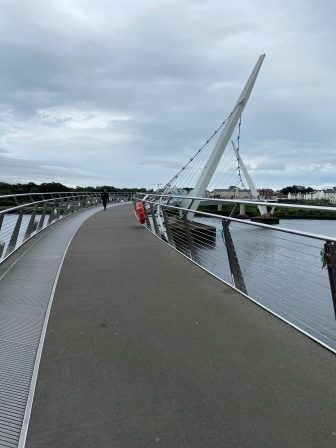
Peace Bridge
When it was time to head back to the apartment we took a short cut across the pedestrian bridge. Since 2011 it has connected the two sides of the city and has become a symbol of cross-community reconciliation.
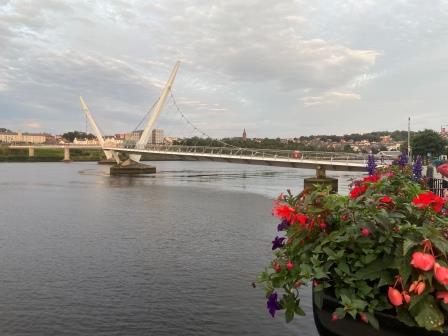
At the other side of the bridge we found Ebrington Square, a 26-acre former military site dating from the 1840s, that had been transformed into a vibrant pedestrian-only cultural hub shared by both communities.
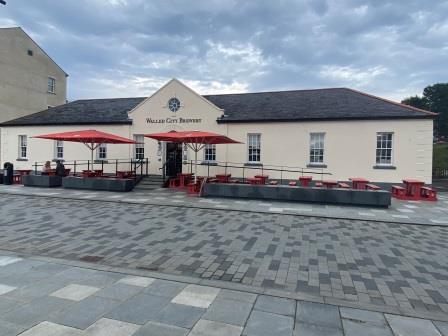
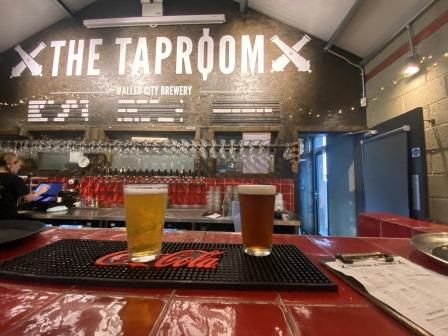
We popped into the taproom of the Walled City Brewery. The award-winning pub features 20 taps of craft beer. They have given a nod to Derry Girls by naming one of the brews Sexy Priest.
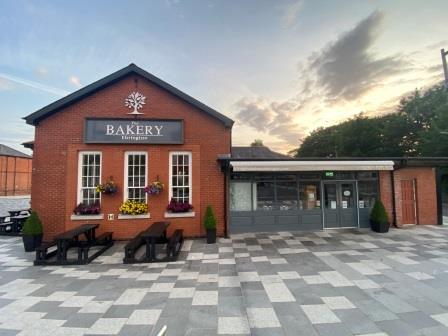
The Ebrington Bakery is a popular artisan bakery. We had breakfast there during our stay and took away a loaf of delicious sourdough. They were also selling classic cream horns as featured in Derry Girls.
Continue the journey…. Ireland – Northwest (Cont…)


